Get Full Government Meeting Transcripts, Videos, & Alerts Forever!
Get email alerts on the Egle Enforcement Landowners topic
No spam. Unsubscribe anytime.
Family says EGLE ordered restoration of privately dug pond, threatened litigation and fines
Summary
A Freeland family described months of agency visits, a later 'order to restore' and a referral to the attorney general; they say agency sampling and record access were delayed and the proposed restoration would cost far more than the family's investment.
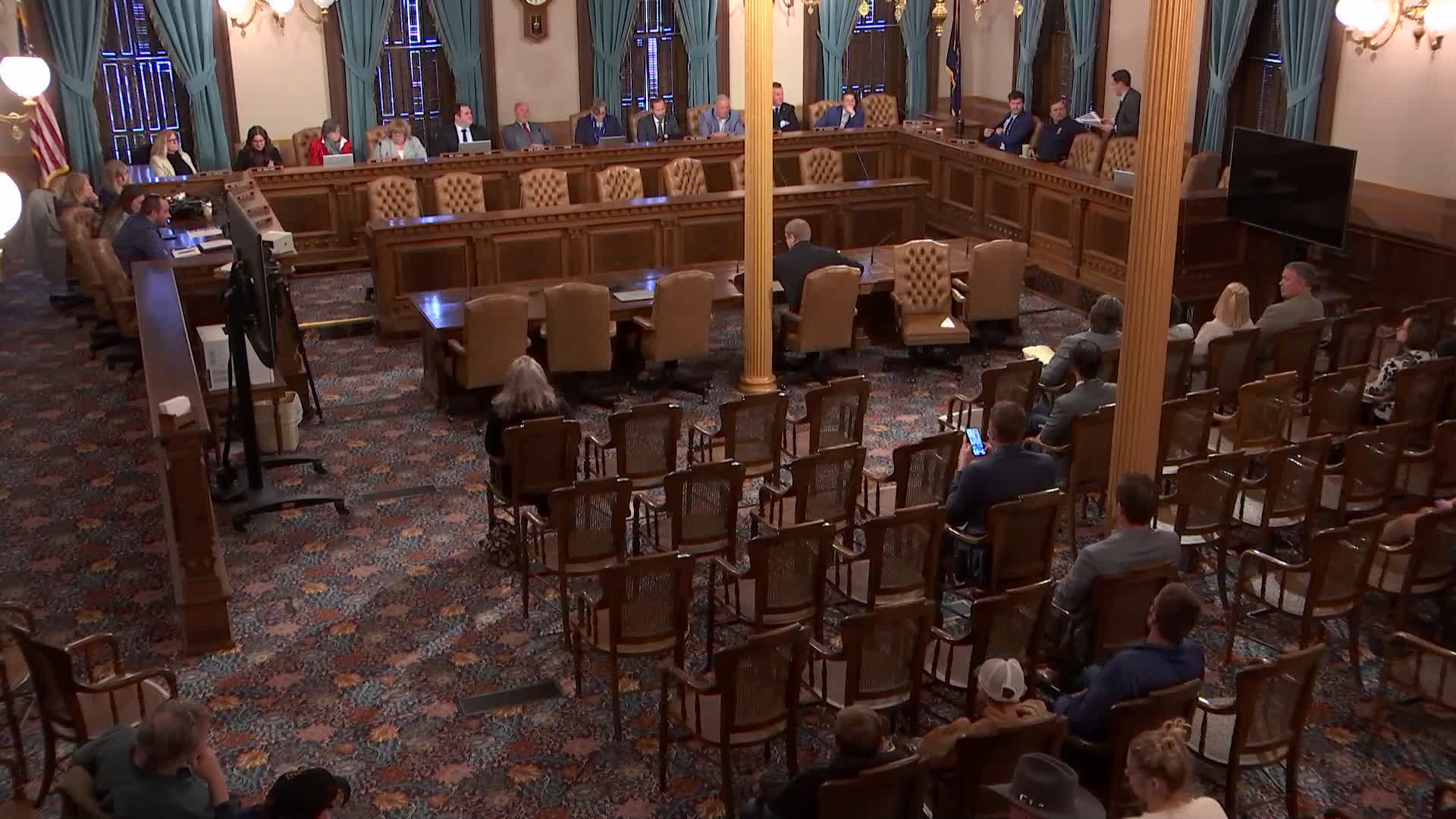
Zachary Wenzlik testified on behalf of his brother, Joshua Wenzlik, about an ongoing enforcement dispute with EGLE over a private pond on the brother's Freeland property.
Zachary Wenzlik said his brother hired a licensed contractor to expand a preexisting pond and was told by township officials that no state permit was required for a one‑acre pond on agriculturally zoned land. In May 2023 EGLE investigators visited the site after an anonymous complaint and later issued a letter alleging a possible violation; in January 2024 the family said it received an "order to restore" that required filling most of the pond to 18 inches or less, importing six inches of topsoil and planting approved wetland vegetation.
The family disputed EGLE’s approach to documentation and access. Zachary said the agency initially told them it had not taken measurements on site and had relied on aerial and topographic data; when the family requested the agency’s soil delineation reports they were told to file a Freedom of Information request and pay $240. He said the documents later made public showed one of the two samples in the immediate area was determined by EGLE to be "not a wetland," a result the family says undermines the determination used to connect and regulate the site.
Zachary described aggressive enforcement pressure: he quoted an EGLE assistant attorney general as telling the family, "you need to understand you can't keep your property the way that you want it," and said the same AAG told them that if they would not accept the agency's restoration plan the case could be moved quickly into litigation. He told the committee his brother has spent about $30,000 in legal fees so far and that bringing in the topsoil required by the restoration plan would cost an estimated $90,000–$100,000. Zachary said the family is worried that litigation could cost six figures more to pursue.
Why it matters: The family's testimony raised concerns among committee members about agency access to private property, timeliness and transparency of evidence sharing and the consequences of enforcement actions for private landowners who say they believed they had complied with local advice and hired licensed contractors.
Agency practice and committee reaction: Committee members pressed whether EGLE staff had legal authority for the access methods used and whether earlier disclosure of sampling reports could have resolved the dispute. Representatives said they would follow up and asked for records and agency presence at a later hearing.
Ending: The family’s testimony underscored a broader theme in the hearing: multiple witnesses complained of unpredictable enforcement practices and called for clearer, more transparent processes for landowners and regulated parties who want to comply.