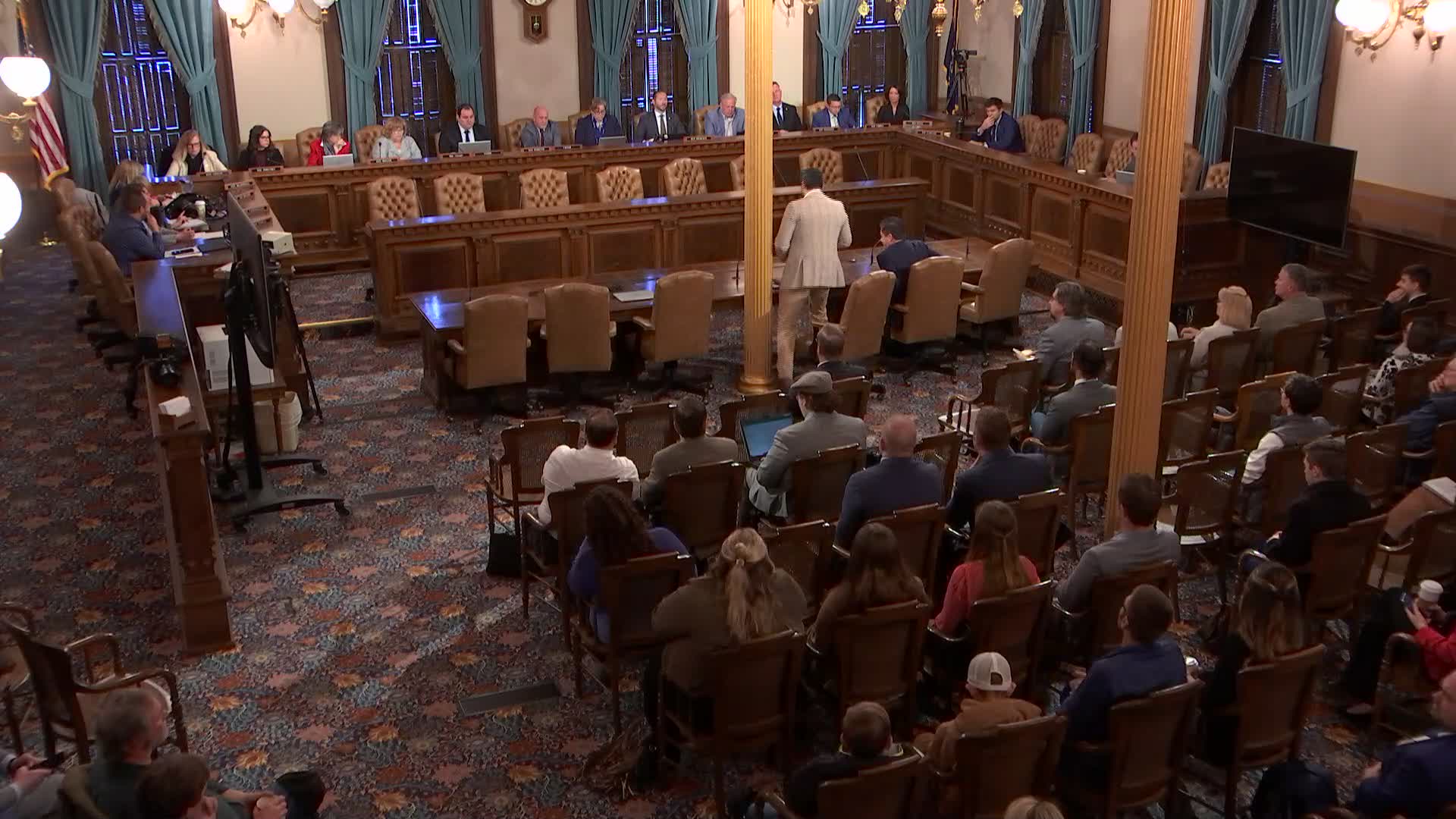
Builders, chamber and county officials say EGLE permitting inconsistency and delays are costing Michigan projects
Loading...
Summary
Business and local government witnesses told the committee inconsistent reviews, feeed expedited tracks and shifting requirements at the Michigan environmental agency lengthen timelines and raise costs for housing, commercial development and small processors.
Representatives of the Michigan Chamber of Commerce, the Home Builders Association of Michigan, county drain commissioners and small processors told the House Oversight Committee that inconsistent permitting, shifting policy and staff practices inside the Michigan Department of Environment, Great Lakes and Energy (EGLE) are delaying projects and raising costs across the state.
Michael Imo, senior director of legislative and external affairs with the Michigan Chamber of Commerce, said permitting has long been a barrier to investment and urged renewed collaboration with EGLE. "Environmental permitting is a difficult and complex balancing act of protecting our natural resources and communities while also ensuring that overly burdensome regulations don't stifle economic growth and investment," Imo told the committee.
The chamber and its witnesses proposed targeted reforms, including better rulemaking in places where statutes are out of date, improved consistency across EGLE divisions, and limited liability protection or clearer guidance for staff making risk‑based decisions so they do not default to overly conservative approaches that slow permits.
Don Crandall, executive vice president of the Home Builders Association of Michigan, told the committee members that builders reported long waits for wetlands, water main and sanitary sewer permits and said an "expedited" track for some permits effectively lets applicants pay roughly $1,000 to move ahead. He cited a national study showing about $94,000 in regulatory costs per new home on average and said unpredictability and delays add additional financial burden.
From local government, Dina Bosworth of the Michigan Association of Counties and Mason County Drain Commissioner Larry Prodasiewicz described repeated friction in review of lake drawdowns, shoreline protection and stream repair. Prodasiewicz said engineers and local officials are frequently asked to conduct studies or adopt design elements the county believes are unnecessary and expensive, and he described permitting timelines that can extend multi‑year when field staff request extra analyses.
Carl Jones, president of the Michigan Meat Association, warned that the department’s 2022 revision to the general groundwater discharge permit for meat processors imposed new numeric limits not in the 2015 framework — such as a phosphorus limit of 4 mg/L and a total inorganic nitrogen limit of 10 mg/L for some land applications — and that new capital and operating costs could run into the hundreds of thousands for small processors. Jones said a state grant can reimburse up to 50% of construction cost but requires the processor to build first and wait for reimbursement.
Why it matters: Builders and developers said permitting delays add direct cost to construction schedules and to workers; county officials said long reviews can delay road and drainage repairs; meat processors said stiff permit limits threaten small processors that supply local food systems.
Next steps: Chamber witnesses said they will form a rules and permitting work group to pursue targeted reforms with EGLE and lawmakers. Lawmakers pressed EGLE staff to accept invitations for future hearings and to work with stakeholders on clearer, more stable rules.
Ending: Witnesses urged a mix of updated rules, division‑by‑division review of permitting practice and greater transparency so developers and local governments can plan projects without sudden regulatory changes or long, unpredictable delays.