Committee hears resolution backing domestic potash development in Michigan
Summary
The committee heard a House resolution recognizing federal efforts to expand domestic potash production and comments from agriculture groups urging support for a proposed Osceola County facility that would supply fertilizer-grade potash and salt, create jobs and reduce reliance on imports.
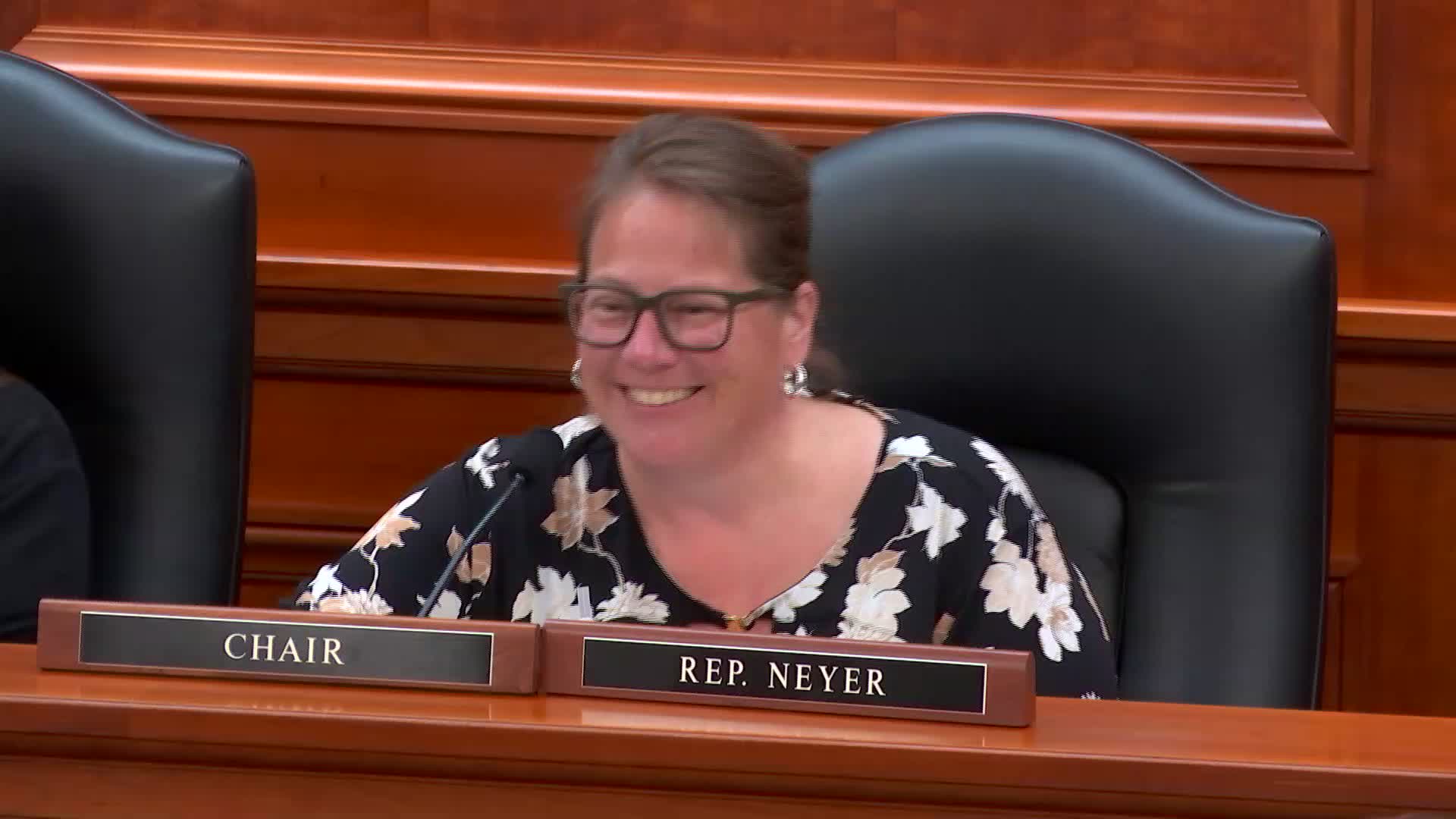
The House Agriculture Committee heard House Resolution 99, a measure recognizing federal efforts and the potential for expanded domestic potash production in Michigan. Chair Nyar told members the Everett area deposit could reduce U.S. dependence on imported potash, a primary source of potassium used in fertilizer.
Rob Anderson of Michigan Farm Bureau said the proposed Michigan Potash and Salt Company project in Osceola County could produce about 800,000 tons of fertilizer‑grade potash and roughly 1,000,000 tons of salt annually, and estimated about 1,400 construction full‑time equivalent jobs plus 200 ongoing operational positions. Anderson said the project could supply approximately 10% of U.S. potash demand and that Farm Bureau members support domestic production and streamlined approvals.
Committee members asked for more detail. Representative Koontz cited a U.S. Geological Survey figure and Representative Paez and others asked where permitting slowdowns occur; witnesses and the chair said state permitting is complete for key state approvals and that some permitting or federal review remains. Representative Dievendorf asked about environmental concerns raised during public hearings in Osceola County; Chair Nyar said EGLE issued the permit and that the project’s operations are designed as a closed‑loop process with brine injection and recycling so discharges are mitigated under EGLE review.
No formal committee vote on the resolution was recorded in the transcript; the resolution was presented and industry supporters and some opponents filed testifier cards. The committee indicated the matter will remain on the agenda as related mineral and agricultural policy issues proceed.
Ending: Committee staff read additional cards both supporting and opposing the resolution; members said they will continue oversight and follow federal and state permitting developments for the project.