
Committee hears mixed testimony on bills to clarify rules for anaerobic digesters
Get AI-powered insights, summaries, and transcripts
Subscribe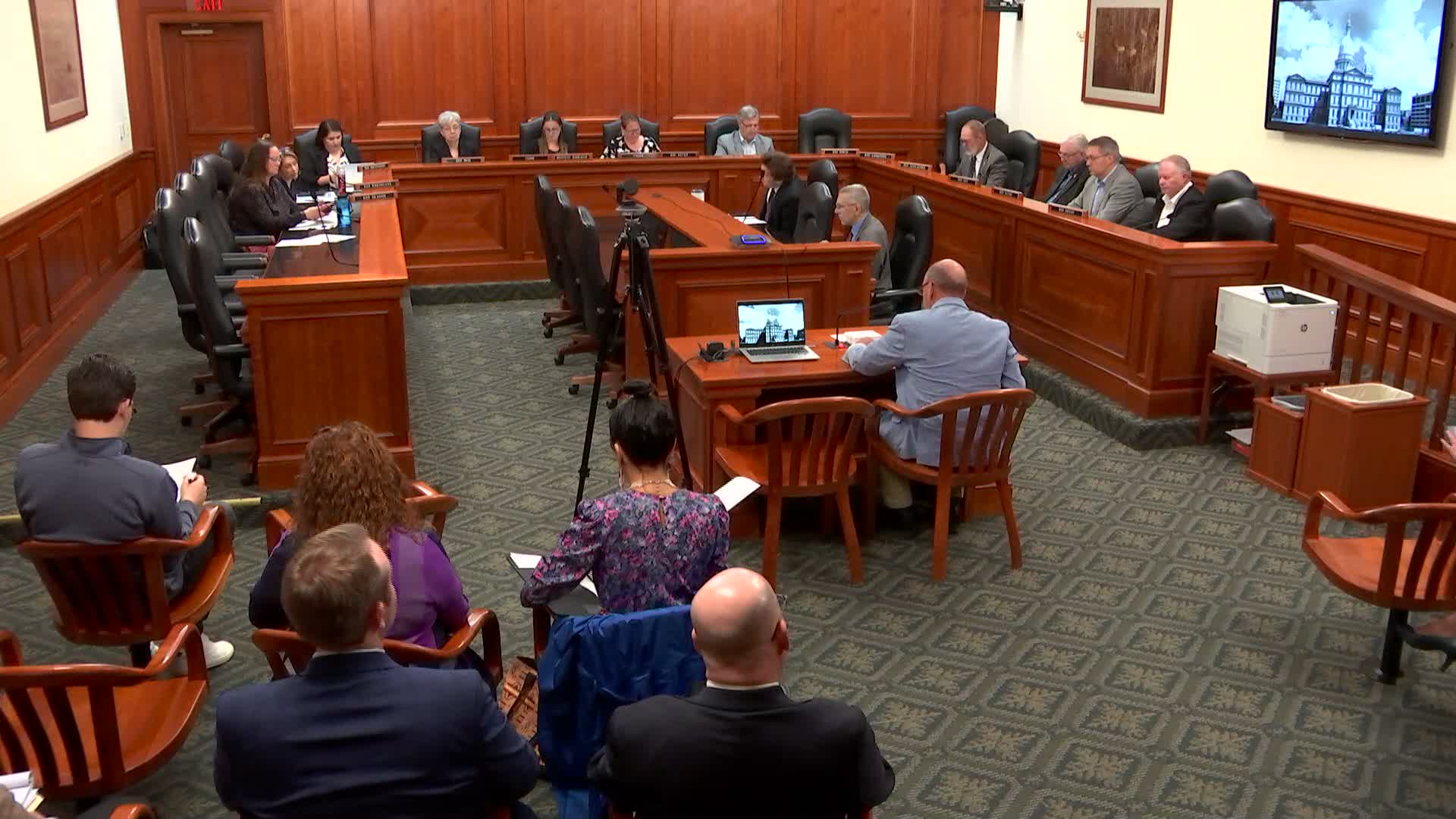
Summary
The House Agriculture Committee heard testimony on House Bills 4257 and 4265, bills that would change how commercial and multi‑owner anaerobic digesters — systems that turn organic wastes into biogas and a soil amendment called digestate — are regulated.
The House Agriculture Committee heard testimony on House Bills 4257 and 4265, bills that would change how commercial and multi‑owner anaerobic digesters — systems that turn organic wastes into biogas and a soil amendment called digestate — are regulated.
The bills’ sponsor, Representative Nyar, described the package as a way to resolve recent regulatory changes that he said have made it “very difficult” for multi‑owner digesters to operate and invest in Michigan. Rob Anderson, who manages government relations for Michigan Farm Bureau, testified in support and said the bills “create a regulatory system that encourages development of a proven technology” while allowing agencies to “address bad actors appropriately.”
Nut graf: Supporters told the committee that clearer rules would restore predictability for developers, help divert food and yard waste from landfills, and preserve a nutrient product for farmers. EGLE staff said they back the goals of digestion and agricultural reuse but warned the bills, as drafted, reduce protections for surface water, groundwater and public health and therefore cannot be supported in their current form.
EGLE legislative liaison Sydney Hart and division directors Tracy Cascometti and Jared Sanders said their core concerns include preventing odors, protecting surface and groundwater, and ensuring safeguards for land application. Cascometti said Part 115 (Michigan’s solid waste law) provides an emerging regulatory framework for recycling operations but “what comes out the back end” of some commercial digesters behaves like a high‑strength wastewater and can be better addressed under Michigan’s Clean Water Act programs, including Part 31 and groundwater permitting under Part 22. Jared Sanders added that outputs have shown elevated metals, PFAS compounds and high biochemical oxygen demand (BOD), which can change groundwater chemistry and mobilize contaminants.
Industry witnesses urged testing, certification and nutrient management as paths to safety and predictability. Heather Dzic, vice president of policy for the American Biogas Council, described ABC’s voluntary Digestate Certification program as a “nutrition label” for digestate that requires regular laboratory testing, inter‑lab verification and revocation of certification if samples fail standards. Dzic said the program’s testing covers heavy metals, pH, nutrient profiles and physical contamination and that “this data also aids conversation with regulators.”
Operators and developers also described commercial experience in Michigan. Dana Kirk, co‑owner and CEO of SKS Development and Taurus Biogas and a licensed professional engineer, said projects can produce renewable natural gas and fertilizer‑grade products, create local jobs, and that regulatory uncertainty — particularly for facilities that accept food waste as a feedstock — has pushed some investment out of state. Kirk said the Fremont facility’s earlier design and siting created problems that continue to influence permitting and public perception, but that other Michigan projects have land‑applied digestate at agronomic rates without reported negative consequences.
Committee members asked specific technical questions. Vice Chair Paez pressed whether fats, oils and greases are appropriate feedstocks; EGLE deferred technical detail to subject matter staff and later said cooking oils are biodegradable in digesters but expressed concern about food packaging and PFAS in processed inputs. Representative Koontz and others raised distinctions between biosolids (municipal sewage sludge governed by federal Part 503 rules) and digestate from digesters; EGLE staff said digestate is not the same legal category as biosolids and that permits intended to be protective of groundwater would not require digestate itself to meet drinking‑water standards but would ensure groundwater remains protective after land application. EGLE staff described pathogen reductions of roughly 98–99% in standard digesters when answering questions about E. coli.
No formal committee vote on the bills occurred during the session; the committee took testimony and indicated it will continue hearings next week. Multiple stakeholders asked EGLE and the Department of Agriculture and Rural Development (MDARD) to work with industry on a durable permitting approach; industry representatives said MDARD is well suited to advise on agronomic application rates and nutrient management, while EGLE emphasized water protection and monitoring requirements.
Ending: Committee members and witnesses agreed to continue the conversation: EGLE offered to work with stakeholders on technical improvements to the draft, and the committee scheduled additional testimony the following week to further consider draft language and technical safeguards.