Get Full Government Meeting Transcripts, Videos, & Alerts Forever!
Get email alerts on the Tobacco Prevention topic
No spam. Unsubscribe anytime.
Public-health groups push Senate to restore tobacco-prevention funding, revive vapor retailer licensing and reintroduce cigarette tax hike
Summary
Public-health organizations and local health educators urged the Senate to restore the governor’s proposed increase to the tobacco prevention fund, reinstate a vapor-retailer licensing program, and place a proposed cigarette tax increase back into HB 96 to reduce youth tobacco use.
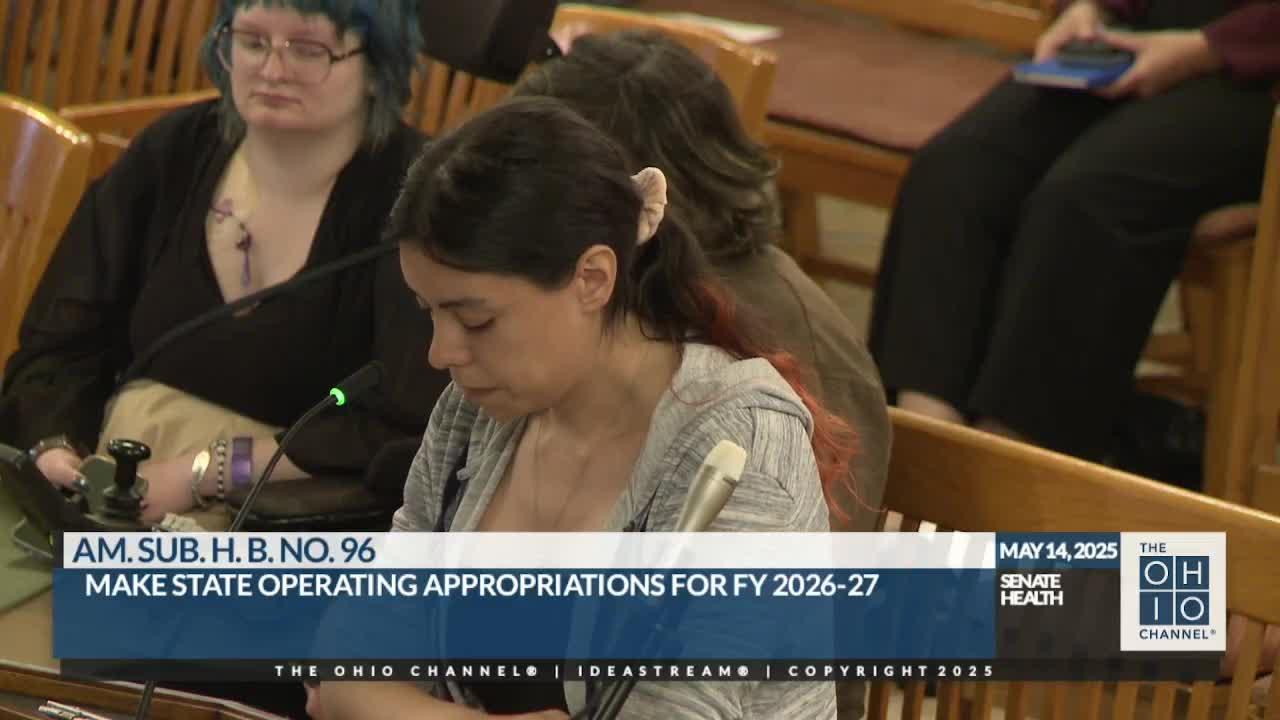
Public-health advocates, county health educators and cancer-prevention groups told the Senate Health Committee that House-passed cuts to tobacco-prevention funding and removal of proposed tobacco tax increases would undermine efforts to reduce youth use and hold retailers accountable.
Funding and policy requests: Leah Baylor (Clark County Combined Health District) and Dustin Hoelfinger (American Heart Association) urged restoration of the Tobacco Use Prevention Fund to $10 million per year (the governor’s proposal) rather than the House’s reduced level. They also asked the Senate to reinsert a vapor-retailer registry/license (to help enforce sales to underage customers) and to restore an increase in the cigarette tax proposed in the executive budget.
Why witnesses said it matters: Leah Baylor said tobacco is the leading preventable cause of death and cited local seizures of vape products from a single school (about 30 pounds of confiscated vapes over 6–8 months) to show youth access. Dustin Hoelfinger cited the public-health and fiscal case for increasing cigarette tax — estimates in testimony said a $1.50 per-pack increase would prevent about 11,800 youth from becoming adult smokers and generate revenue while reducing long-term health costs.
Other asks: American Lung Association and American Cancer Society Cancer Action Network urged equalizing taxes across all tobacco products (a 42% wholesale tax on non-cigarette products) and restoring funding for the Breast and Cervical Cancer Project and other tobacco-related prevention investments.
Ending: No committee action was recorded during testimony; advocates asked the Senate to weigh evidence on youth access and long-term cost savings when finalizing appropriations and tax provisions.