Get Full Government Meeting Transcripts, Videos, & Alerts Forever!
Get email alerts on the Overdose Prevention topic
No spam. Unsubscribe anytime.
County leaders, first responders warn Senate that cutting overdose response funding risks reversing declines in deaths
Summary
Hamilton and Clermont county officials, police chiefs and addiction coalitions urged restoration of governor's overdose-prevention funding and warned House cuts to naloxone distribution would harm lifesaving efforts.
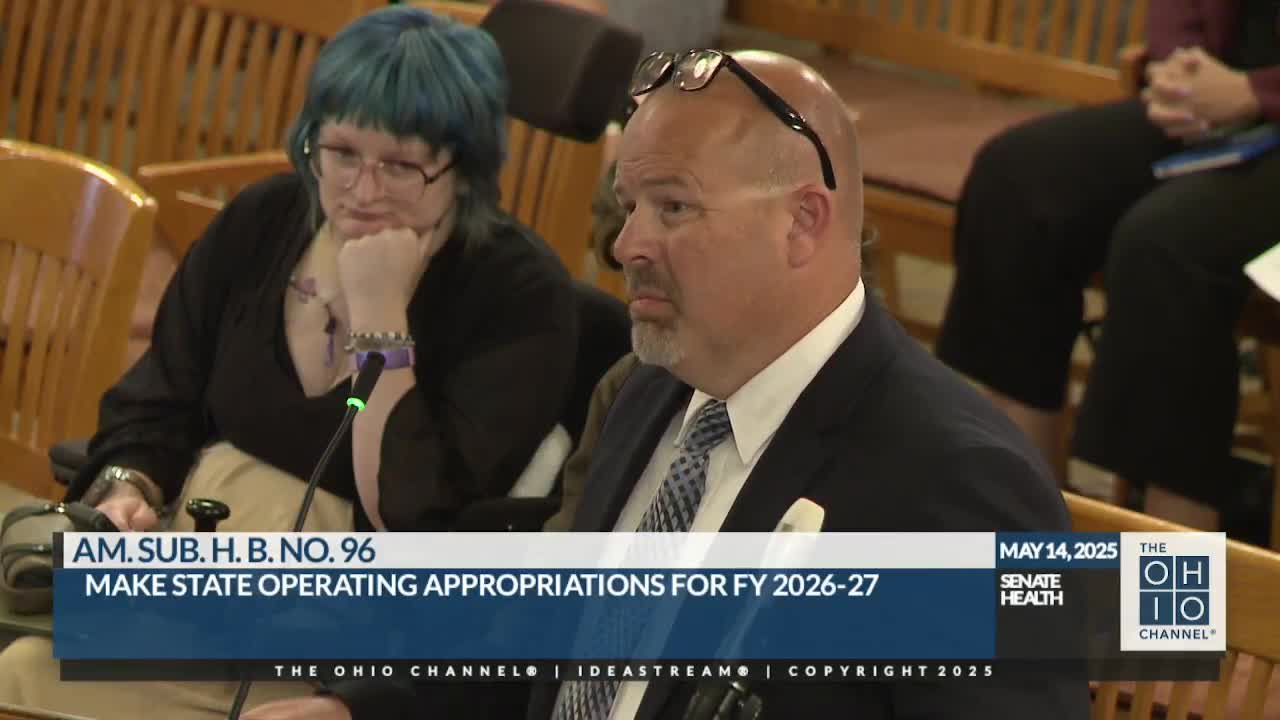
County leaders, public-health officials and first responders told the Senate Health Committee that reductions in overdose-prevention funding in the House version of the budget would jeopardize progress in reducing overdose deaths.
What witnesses said: Hamilton County Commissioner Denise Driehaus and Clermont County leaders described heavy local naloxone distribution and linked those programs to declines in medically attended overdose deaths. Driehaus said Hamilton County has distributed more than 30,000 doses of naloxone since 2014 and attributed a roughly 51% decrease in overdose fatalities since 2017 to broad distribution and linked services. Chief Thomas Thinnan (Newtown Police Department) and other first responders said naloxone saved lives during large synthetic-opioid events and remains essential when fentanyl analogs circulate.
Requests to the Senate: Speakers urged restoration of the governor's proposed funding levels in the health department’s chronic disease/injury prevention and drug-overdose line item (line item numbers cited in testimony) and asked the Senate to align the budget with the governor’s proposed investments to sustain community naloxone supplies and related overdose strategies.
Context: Multiple witnesses emphasized naloxone as the "first step" in a continuum that connects survivors to treatment, housing and workforce supports. They said reduced funding would increase pressure on local budgets and likely raise EMS and hospital burdens.
Ending: No committee vote was taken; witnesses asked senators to consider the public-health evidence and local outcomes when finalizing the budget.