Get Full Government Meeting Transcripts, Videos, & Alerts Forever!
Get email alerts on the Civil Rights Transgender Health topic
No spam. Unsubscribe anytime.
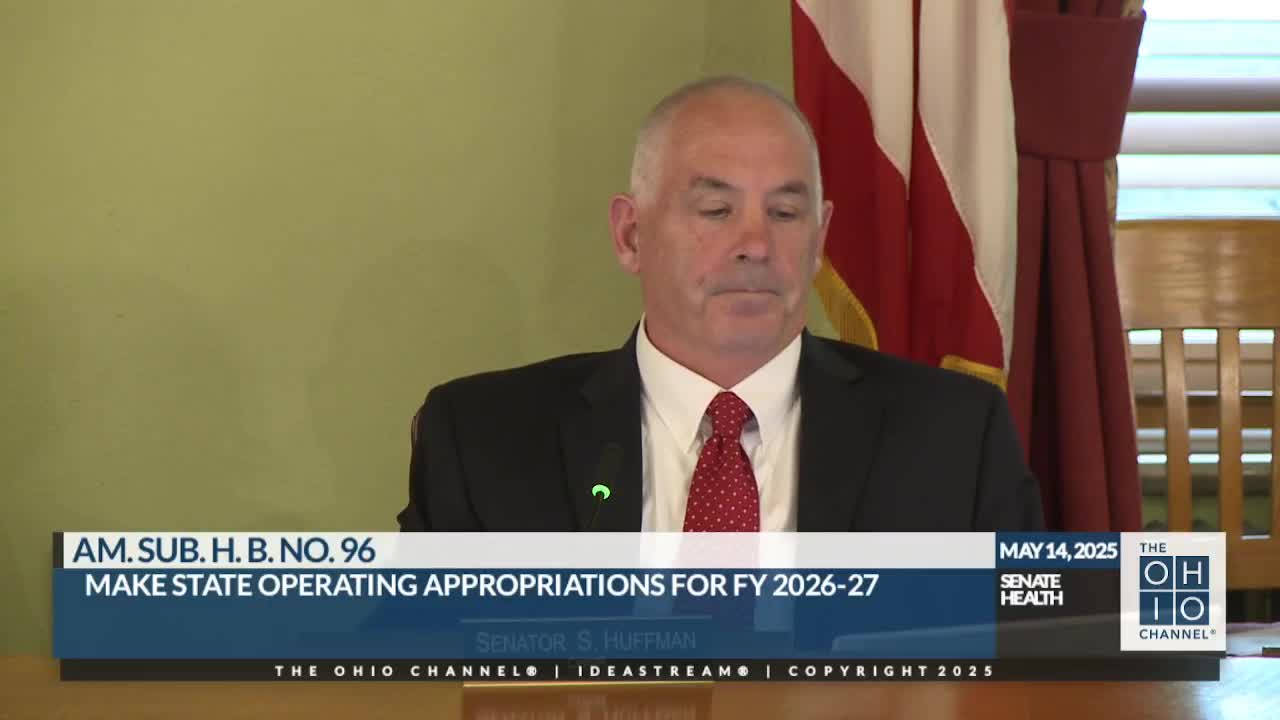
Health-care providers, LGBTQ advocates tell Senate HB 96 provisions would harm trans Ohioans
Summary
Multiple health-care professionals, transgender-led groups and families testified that several provisions in the House-passed version of HB 96—definitions declaring only two sexes, restrictions on gender-affirming care, and limits on youth shelter services—would harm patients, conflict with clinical guidance and invite legal challenges.
A series of witnesses told the Senate Health Committee they opposed language included in the House version of House Bill 96 that several speakers described as anti-trans and medically unsound. Nurse practitioner Catherine Lacree, who said she practices LGBTQIA+ primary care and gender medicine, testified against HB 96 sections 333.13 and 9.05 and cited the American Psychological Association’s February 2024 guidance as evidence that bans on gender-affirming care would “disrupt not only the role of providers in offering evidence-based care but also obstruct patients and parental rights in shared decision making.”
Dara Adkisson, executive director of TransOhio, and representatives of Trans Unity Coalition described multiple House provisions they said would erase or deny legal recognition of transgender, non-binary and intersex Ohioans and would restrict services for youth shelters and mental-health facilities. Adkisson asked the committee to reject what she identified as sections 7.57 to 7.59 of the proposed budget (the transcript citation) and warned the language was likely to prompt litigation; she said similar language in an executive order is the subject of pending federal lawsuits.
Several witnesses described real-world harms they said would follow if shelter programs and some mental-health providers could not “affirm” a young person’s gender. Evelyn Hulbert, a transgender woman who testified for Trans Unity Coalition, recounted personal histories of abuse and said bans on gender-affirming approaches “would be a death sentence” for some youth with untreated gender dysphoria. Bree Taylor and Cookie Dixon emphasized elevated youth homelessness and suicide risk among LGBTQ youth and urged restoration of funding and removal of the contested provisions. Several witnesses also criticized a House amendment banning menstrual-product placement in men’s restrooms as impractical and harmful to transgender men and to caregivers.
Why it matters: Health-care providers warned the committee that the provisions would conflict with mainstream clinical associations’ recommendations and could block established treatment pathways. Advocacy groups and family members warned of increased homelessness, reduced access to care, and higher suicide risk among transgender youth.
No formal agency action was taken at the hearing; witnesses urged the Senate to remove or amend the contested provisions in its final budget language.