Get Full Government Meeting Transcripts, Videos, & Alerts Forever!
Get email alerts on the Parking Towing topic
No spam. Unsubscribe anytime.
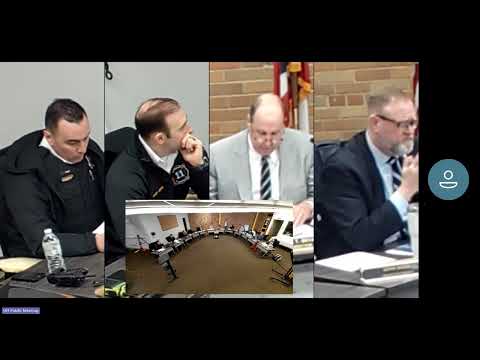
University Heights committee debates towing expansion, asks police for implementation plan
Summary
The University Heights Safety Committee reviewed a proposed towing ordinance that would allow towing after multiple parking violations and asked police to return with an operational plan before sending the change to council.
The University Heights Safety Committee on April 7 debated a proposed amendment to the city’s towing and impound rules that would permit towing a vehicle after two or more parking citations within a six‑month period.
The ordinance language under review amends section 40407(a)(10) and related subsections on impoundment and release; it would allow officers to tow vehicles found in violation of city parking regulations if the owner had been convicted of or paid the waiver amount for two or more parking violations in the preceding six months. “If you pay two tickets, but you still decided you’re gonna keep parking illegally, that’s telling me you want your car towed,” Safety Committee Chair Miss Marshall said.
The change is intended to reduce chronic illegal parking, particularly in streets around John Carroll University. The law director described the draft as both “cleaning up some of the antiquated language” and adding the substantive change allowing towing after multiple violations. Police Chief Rogers warned about the operational burden of enforcing a six‑month lookback: “That generates approximately 1,000 data entry points that we have to consider and go through to try to generate a parking tow list,” he said, adding that what is now a 20–40 vehicle tow list (for two outstanding unpaid tickets) would grow substantially if the city counts paid tickets or a wider time window.
Committee members debated alternatives including raising fines, increasing the lookback threshold to three or more tickets, or starting the tow list prospectively from a set date to avoid an immediate backlog. Vice Mayor suggested increasing fines first as a lower‑administrative burden deterrent. Chief Rogers said the department could explore options and improve how reports are produced so officers can search license plates in vehicles’ mobile systems, but cautioned the department about officer workload and field usability.
After extended discussion, the committee did not send the towing amendment to the City Council. Instead it asked Chief Rogers to return at the next safety meeting with implementation options — including whether to change the threshold from two to three violations, how tow lists would be generated and searched in patrol vehicles, and how ticket‑printing lead times would be handled — before the committee advances the ordinance for council consideration.
Members also noted related constraints: the established towing contract (United Towing) and the lead time to reprint tickets if fines or ticket formats change. “There would be some significant lead time, to where we could become operational with the new tickets in the field,” Chief Rogers said. Several councilmembers said they preferred trialing administrative and enforcement steps first before broader changes to towing authority.
The committee instructed staff to return with options for streamlining the tow list, estimated workload for different lookback thresholds, and a timeline for any needed ticket reprinting so the committee can reassess at a future meeting.