Get Full Government Meeting Transcripts, Videos, & Alerts Forever!
Get email alerts on the Homeless Shelter topic
No spam. Unsubscribe anytime.
Hundreds of residents urge Brainerd council to reopen talks and allow Bridges on Seventh year‑round operation
Summary
Dozens of residents, volunteers and shelter leaders urged the Brainerd City Council during public forum to reinstate a multi‑year, year‑round permit for the Bridges on Seventh shelter; council took no formal action at the meeting.
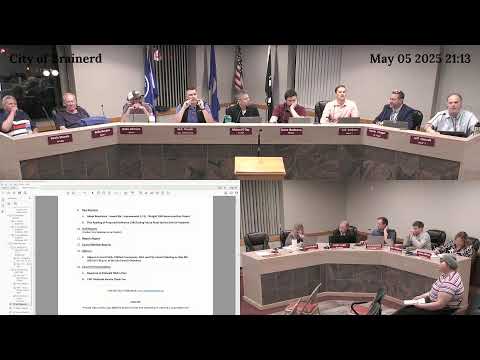
Dozens of residents, volunteers and faith leaders urged the Brainerd City Council on May 5 to reopen consideration of a year‑round, multi‑year permit for the Bridges on Seventh homeless shelter and to allow the shelter to operate beyond its current seasonal schedule.
The pleas came during the council’s public forum, where speakers described the shelter as a source of short‑term stabilization and argued that closing it in warmer months leaves people without legal or safe alternatives. John Ward, a Brainerd property owner, urged the council to “Please allow the homeless shelter to open for the summer and give them a 3 year permit and do it tonight so their homeless people don't have to spend any more nights out.”
The appeals were joined by shelter operators, volunteers and faith communities. Bill Weir, who identified himself as operations manager for Bridges on Seventh, told the council: “All we're asking is for permission to continue doing what we do best, and that's serving the people of Brainerd.” Pam Stock, director of service and evangelism at Bethlehem Lutheran Church, read a congregational letter noting outcomes she said the shelter has achieved; she told the council “More than 50 individuals have transitioned into permanent housing this season alone,” and attributed other usage and call statistics to the shelter’s records.
Speakers offered multiple rationales: volunteers described guests who work multiple low‑wage jobs and rely on the shelter for laundry and rest; veterans and people with mental‑health challenges described the shelter’s role in safety and stabilization; family members of a man who died while unhoused urged the city to keep options available. Emma Needham, speaking on behalf of family members, warned of fiscal costs if the city prosecutes people for camping and said, “Arresting and jailing unhoused residents creates additional cost to our police force,” urging the council to consider cost savings from shelter operations.
Several speakers referenced past council action and the city’s camping ordinance. Bill Weir and others referred to Ordinance 1571, passed in the last year, as a reason the shelter’s year‑round operation is now a contested issue; speakers urged the council to revisit or reverse prior restrictions. A small number of attendees expressed support for the council and police department; Justin Goble told the council he supports the police and council and said public criticism of the police chief was unhelpful.
Council members did not take a formal vote on the shelter or its permit at the May 5 meeting. The mayor and council closed the public forum after hearing from multiple speakers and proceeded to the regular agenda. No motion or vote on changing the shelter’s permit status was placed on the council’s consent or business calendar that evening.
Speakers and organizations asked for specific next steps: many requested a three‑year registration or permit and year‑round operation; volunteers asked the city to allow preapproval or assurance that would make it easier for operators to invest in facilities; faith groups asked the council to “reopen the conversation” and consider long‑term alignment of city policies with shelter operations.
What happened next: the council thanked public commenters, closed the public forum and continued with scheduled agenda items, including committee reports and ordinance readings. The council did not adopt any new policy or change the shelter’s permit at this meeting; any future action would require a separate agenda item and formal council vote.
Local context and next steps: public commenters repeatedly urged the city to consider operational impacts, fiscal trade‑offs and human consequences if the shelter remains limited to seasonal use. Several speakers asked the council to revisit prior votes and work with shelter operators to find a regulatory path that preserves public safety while allowing year‑round sheltering. The council meeting packet and future agendas will determine whether the city schedules formal consideration of permit changes.