Get Full Government Meeting Transcripts, Videos, & Alerts Forever!
Get email alerts on the Code Enforcement topic
No spam. Unsubscribe anytime.
Live Oak council approves first reading of ordinance to allow lien amnesty for code-enforcement fines
Summary
On first reading, the City Council approved Ordinance 15-34 to amend the City Code to allow council-authorized lien amnesty or reductions for code enforcement fines and liens; public commenters urged safeguards such as caps and conditions tied to cleanup or redevelopment.
The City Council of the City of Live Oak on Oct. 11 conducted the first reading and approved Ordinance 15-34, which would amend the City Code to permit lien amnesty and forgiveness of fines and liens arising from code enforcement proceedings.
Under the ordinance as introduced, the council would have authority to grant full or partial amnesty on a case-by-case basis; the ordinance does not itself set a fixed cap or a single automatic standard. City Attorney and staff told the council the council could place conditions on any amnesty—such as requiring cleanup, redevelopment or other actions within a specified period—and could deny requests where the property value made lien reduction inappropriate.
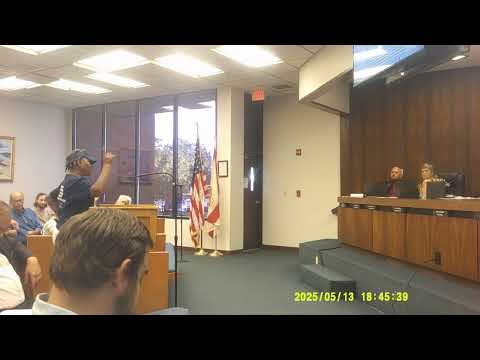
During the public hearing residents raised concerns and proposed limits. Linda Williams of Southwest Lincoln asked how long liens remain in effect and urged limits on how amnesties are granted. Joseph Carroll of Pine Avenue proposed capping liens at the property’s assessed value. Another commenter suggested time-limited conditions—such as a six-month requirement that the buyer perform cleanup—so amnesty would not simply transfer a cleared entitlement to a purchaser who does nothing.
Staff and the city attorney confirmed several points the council can act on at the second reading: amnesty may be full or partial, it can be made contingent on conditions (for example, required cleanup within a set time), and determinations will be decided on a case-by-case basis. Staff noted a statutory limit discussed in the hearing that a lien is effective against property for 20 years; the transcript did not cite a specific statutory section.
Council members said they had previously held a workshop on the ordinance and that ideas raised in public comment could be incorporated into final language before second reading. The first reading was approved by council vote; the transcript does not record individual names for the motion and second.
The ordinance, if adopted after second reading and any amendments, would aim to remove severe code-enforcement liens that residents and staff said sometimes exceed property values and may impede redevelopment. The transcript includes examples from public comment of properties with liens that residents said had grown to “upwards of a million dollars” against parcels worth only tens of thousands of dollars; those figures were offered by commenters as examples and were not documented in official records within the meeting transcript.