Get Full Government Meeting Transcripts, Videos, & Alerts Forever!
Get email alerts on the Fuels Reduction topic
No spam. Unsubscribe anytime.
Bitterroot RC&D outlines hazardous fuels grants, cost-share and Highway 12 corridor work
Summary
Bitterroot RC&D told the Lolo council about hazardous fuels reduction grants available to landowners, a current 75/25 cost-share, and local interest along the Highway 12 corridor. Staff said contractor shortages and mill closures have increased treatment costs for landowners.
The Bitterroot Resource Conservation and Development Council told the Lolo Community Council about hazardous fuels reduction grants and local opportunities along the Highway 12 corridor.
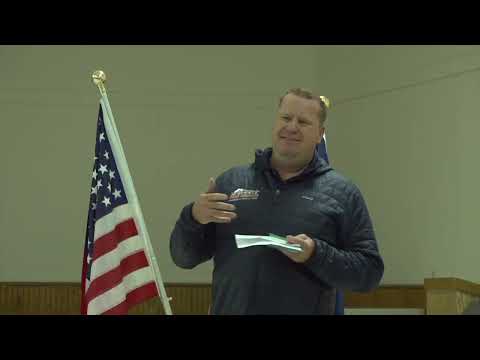
"We came from seven applications to over 22 people interested in that Highway 12 corridor," Josh Smith, Bitterroot RC&D, said, describing increased owner interest in fuel treatments.
Why it matters: Speakers said hazardous fuels work reduces wildfire risk around private property and that grant-funded treatments can scale up when neighbors coordinate. Funding structures and local mill closures are affecting how much of the treatment cost landowners must cover.
Program details discussed
- Cost share: Josh Smith said the program’s cost-share had shifted from roughly 50/50 in earlier years to a 75/25 structure (75% grant, 25% landowner) for current grants.
- Eligibility and prioritization: The RC&D will make site visits and prioritize applications based on risk reduction potential and proximity to National Forest Service lands; parcels adjacent to Forest Service boundaries often receive higher priority.
- Contractor process and treatment size: The RC&D maintains a contractor list and, if a landowner does not have a contractor, will connect them to one for site visits and project scoping. Smith described target prescriptions such as average 10-foot crown spacing for treated areas and potential to treat thousands of acres if funding and landowner interest align.
- Costs and market constraints: Council members asked about costs per acre. Smith said an approximate landowner cost might be about $500 per acre (landowner portion) when grant funding covers the rest, and noted that mill closures have constrained outlets for logs and chips, increasing net treatment costs because mills are not accepting material or have limited windows for receipts.
Local outreach
Smith said he would hold application and outreach events and had printed materials available; he invited interested landowners to pick up applications from him at the meeting.
Ending: how to apply
Landowners can apply on the Bitterroot RC&D website or follow up with Josh Smith; Smith said site visits would begin in the next weeks for those who have applied and that funding opportunities depend on grant cycles and mill availability.