Get Full Government Meeting Transcripts, Videos, & Alerts Forever!
Get email alerts on the Housing Planning topic
No spam. Unsubscribe anytime.
Planning staff tells board county is making ‘‘slow’’ progress on RHNA goals; streamlining rules could apply if county falls short
Summary
Planning and Development staff told supervisors the county is behind on lower‑income RHNA production, that SB‑423 (formerly SB‑35) streamlining could apply if the state finds insufficient progress, and described local programs including preapproved ADU plans and a proposed workforce preference ordinance.
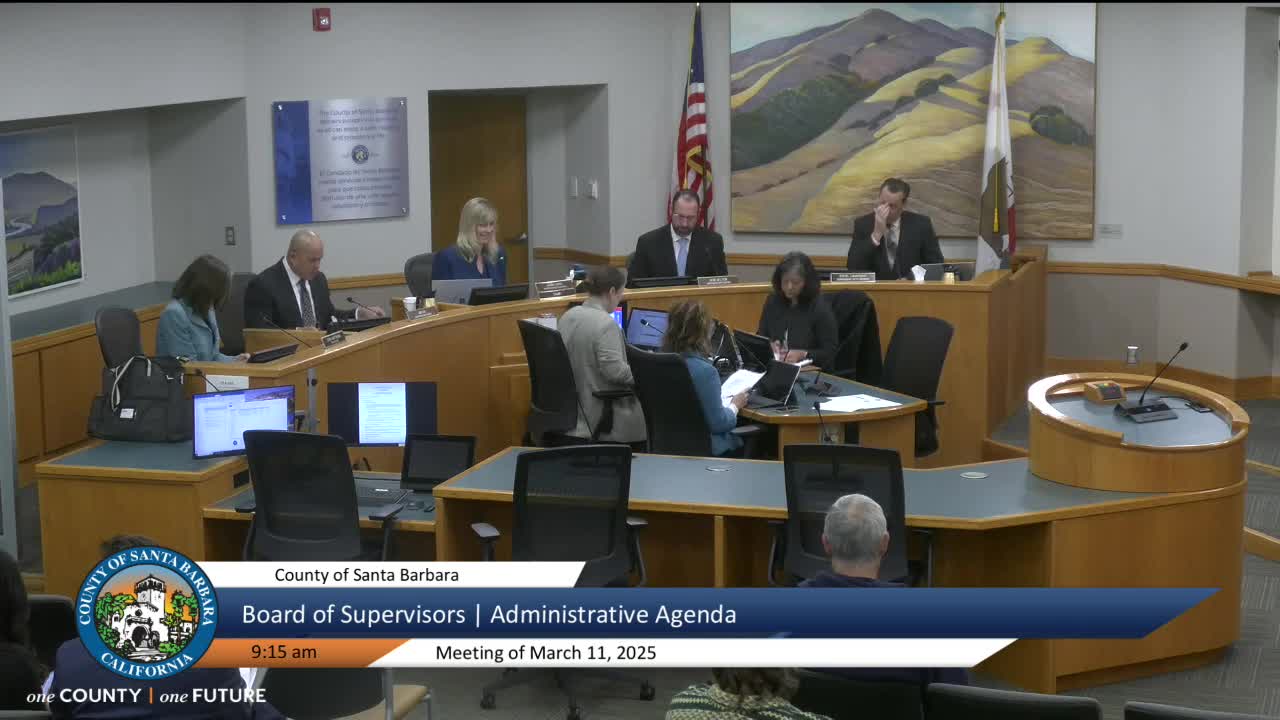
At a March 11 administrative hearing, Planning and Development staff briefed the Board on the county’s 2024 comprehensive plan annual progress report and answered supervisors’ questions about the Regional Housing Needs Allocation (RHNA) and potential state streamlining consequences.
Director Kelly Plowman (presenting staff) said the county has a pipeline of projects (roughly 3,000 units in South County) but that meeting lower‑income RHNA allocations has been difficult. She warned the board the state could determine “insufficient progress,” which would trigger the state’s ministerial streamlining provisions previously tied to SB‑35 (staff said SB‑423 is the current statutory implementation for streamlining). Staff said the streamlining standard generally requires projects meet a specified affordability level and be consistent with general plan and zoning.
Supervisor questions focused on how streamlining is defined and what would happen if the state makes a finding; staff said the state determines insufficient progress and that ministerial streamlining (not automatic ‘‘builder’s remedy’’) allows qualifying developments to be processed more quickly. Staff also described work on local policies: revisions to the inclusionary housing ordinance (adopted the same day), updates to ADU rules and preapproved ADU plans, draft workforce‑preference options (including proposals to offer local workforce priority for newly available units for a limited initial period), and an upcoming pilot inspection program for disadvantaged communities including Isla Vista.
The Board took the item as receipt on file (procedural action) after staff questions and directed staff to return with further information on the definition of insufficient progress and the implications for local projects.
Ending: Staff agreed to return with additional detail and the board confirmed receipt of the 2024 progress report.