Get Full Government Meeting Transcripts, Videos, & Alerts Forever!
Get email alerts on the Property Tax topic
No spam. Unsubscribe anytime.
Board continues debate over steep property tax increases and whether county can offer deferments
Summary
Supervisors spent extended time probing assessor and treasurer staff about large post‑fire property assessment increases, how many parcels were revalued, and whether the county can legally and operationally offer payment deferments to taxpayers who face higher bills.
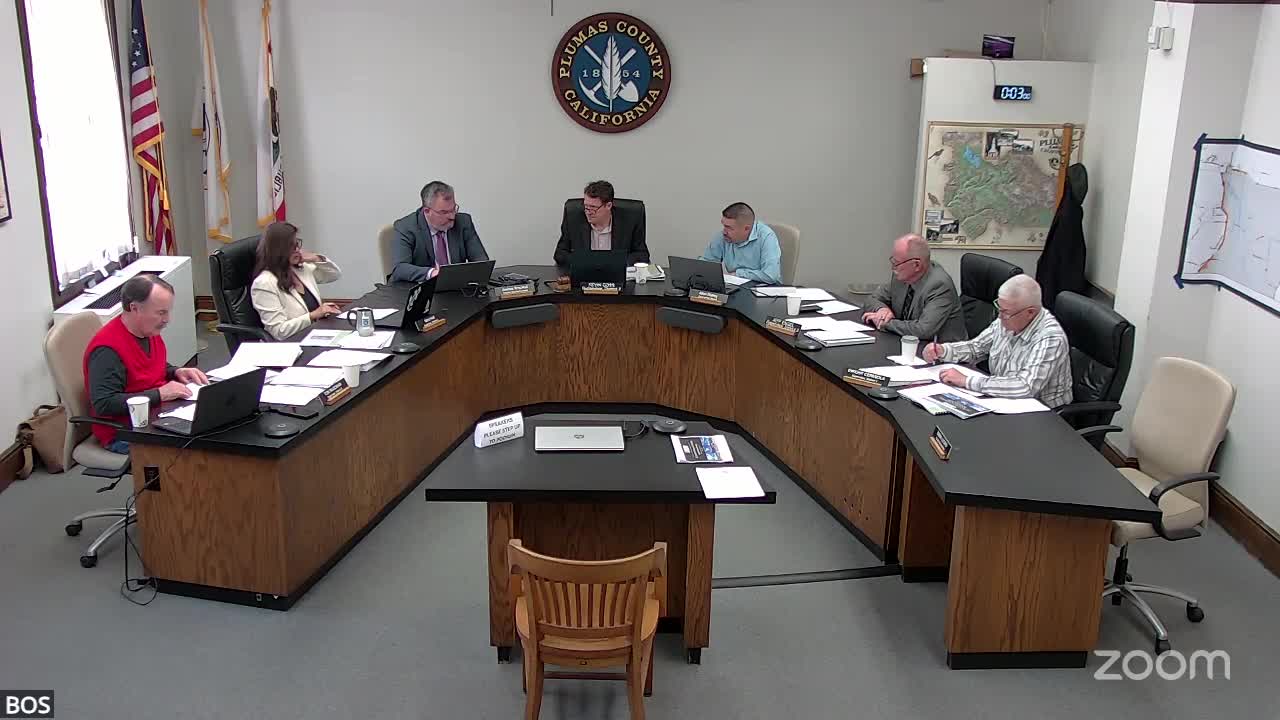
Plumas County supervisors held an extended discussion about large property tax bills some residents received after a round of reassessments following the Dixie Fire and asked county assessors and the treasurer how a deferment program might work.
The board heard several points from staff: the assessor said roughly 4,500 properties had been reviewed; about 2,200 parcels were moved out of declining‑value (Prop 8) status and restored to market value under Proposition 13 rules. The treasurer and tax collector said state revenue-and‑taxation rules limit the officethey must apply penalties and collections according to statuteand that establishing a local deferment process would require operational changes to tax billing, accounting and collector practices.
Supervisors asked staff to research how other counties handled deferments and whether a state‑level remedy is needed. County counsel and staff told the board some counties used state assistance or Department of Finance procedures to create payment plans or deferments in past cases, but that the implementation is administratively complex and requires coordination across assessor, auditor and treasurer offices. Staff said they would bring back an analysis of who has paid, how many accounts remain delinquent and options for any deferment or remediation program.
Why it matters: Several supervisors and public commenters said bills that rose sharply from previously depressed values have caused financial hardship and confusion. Board members asked for clarity about numbers, the timing of appeals, which bills can be adjusted and when the board or staff could take action to reduce penalties.
Key clarifications from staff
- Appeal windows: Assessors said the appeal window for the regular tax roll originally closed Nov. 30; the county extended some administrative deadlines but many statutory appeal and payment deadlines remained fixed. Assessors review appeals and may issue rule changes that produce corrected tax bills and refunds if values are lowered.
- Timing and workload: Auditors and the treasurer noted the workload to produce corrected bills or set up deferment installments would be significant; staffing shortages and the county fiscal calendar complicate quick fixes.
Next steps
The board asked staff to meet internally (assessor, auditor, treasurer) and with counsel to develop a clear plan that includes: (1) a verified count of parcels affected and payments received/delinquent, (2) legal analysis of any deferral authority and the impact on county revenue processes, and (3) options for communications and short‑term relief if appropriate. Supervisors said they will place the item back on the agenda for April and requested staff provide a written memo with those analyses.
Ending
Officials said any change that would waive penalties or alter collection practice must be grounded in state law or an authorized local program; staff committed to returning with detailed, department‑coordinated recommendations.