Get Full Government Meeting Transcripts, Videos, & Alerts Forever!
Get email alerts on the Munis Payroll Implementation topic
No spam. Unsubscribe anytime.
Plumas County delays Munis payroll go‑live; staff cite vendor setbacks and recommend extra resources
Summary
County HR and auditor staff reported setbacks in the Tyler/Munis payroll conversion, saying a key ClientFirst technical lead's absence and environment issues pushed the expected April 1 go‑live to July. Board members urged hiring temporary staff, contacting other counties for implementation support, and preparing contingency plans.
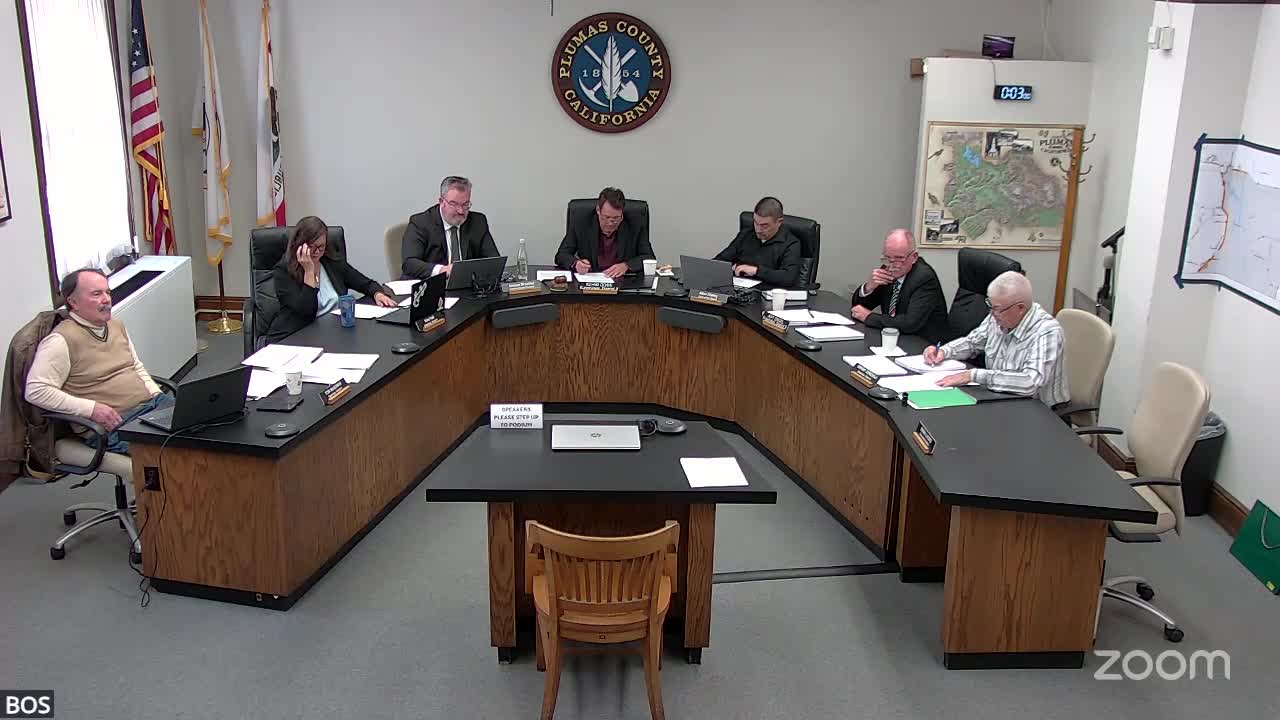
County Human Resources and Auditor staff told the Board of Supervisors on March 11 that the planned April 1 cutover to the Tyler/Munis payroll system will be postponed until at least July after recent test (parallel) conversions failed to produce clean data.
HR Analyst Josh and other staff described a series of implementation problems. They said ClientFirst (the county’s vendor partner) assigned a highly knowledgeable technical lead who later went on medical leave; replacements have been less familiar with Plumas County’s environment. Staff ran multiple parallel conversions and ran a more successful test in a different environment last Friday, but they concluded the county cannot go live without a clean conversion because payroll accuracy is essential.
Auditor and HR staff said payroll operations are continuing in the existing Panimation system and that a delayed Munis go‑live will not block the county’s financial and single audits. Several supervisors urged short‑term solutions: hire temporary staff, seek assistance from other counties that have completed conversions with ClientFirst, or contract an external implementation team. Supervisor Jeff McGowan and others urged the county to avoid relying on a single external expert and to budget more implementation resources.
Public commenters and supervisors described significant staff time spent on parallel tests — which pulled employees off regular duties — and asked whether clientFirst personnel were paid while unavailable. County staff said ClientFirst remains under contract and continues to meet with the county; a different ClientFirst representative is assigned to the project and weekly status meetings continue.
County staff noted other operational complications: Panimation is unsupported and creates extra work (especially at W‑2 time); the Munis environment requires creation of many pay/benefit codes to match existing Memoranda of Understanding and longevity pay practices; and prior implementation windows (discounted implementation bundles) were missed when initial staff and vendor schedules changed. Several supervisors and members of the public suggested borrowing experienced staff from larger counties for short-term help, hiring temporary retired annuitants, or bringing in a dedicated implementation team to finish the work.
The board requested a mid‑April update and directed staff to explore temporary hires and inter-county assistance. No formal action was taken; staff will return with a status update and recommendations about resources, timeline and whether to reassign implementation responsibilities.