Get Full Government Meeting Transcripts, Videos, & Alerts Forever!
Get email alerts on the Ai Policy topic
No spam. Unsubscribe anytime.
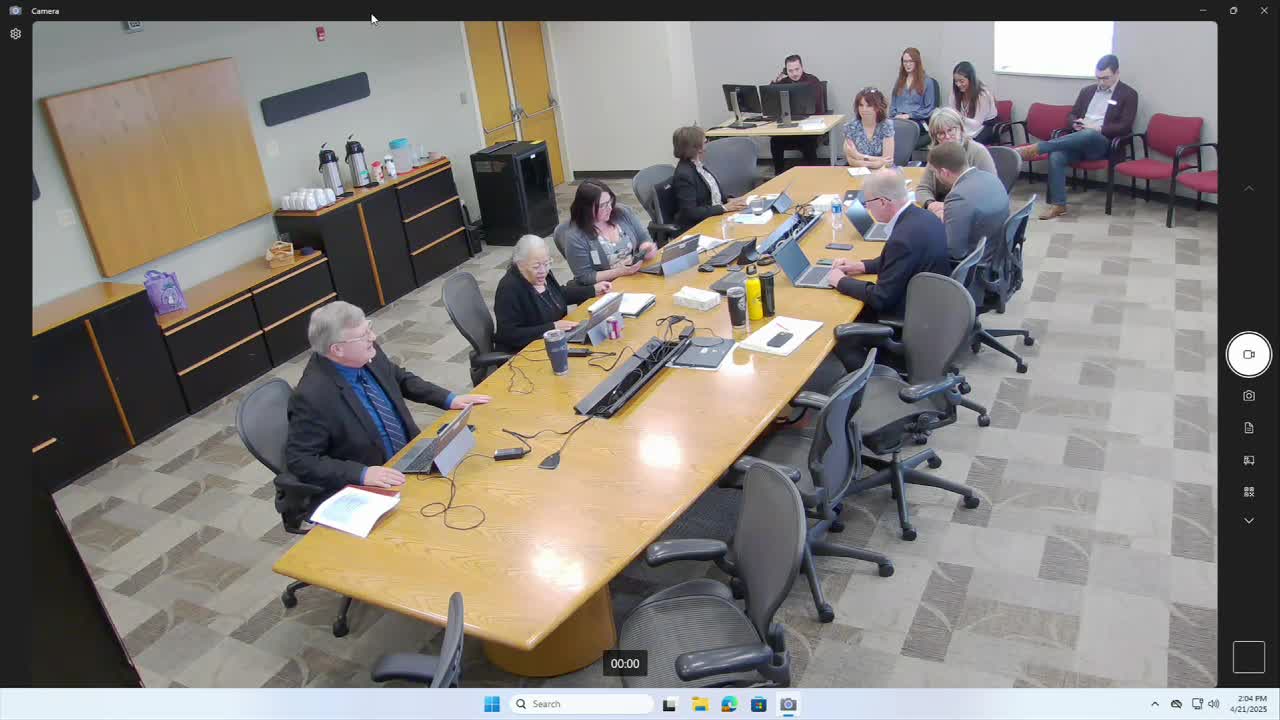
Arapahoe County IT presents AI governance policy; commissioners approve sending policy to consent agenda
Summary
A draft countywide AI policy was presented by county IT leadership. Commissioners asked questions about training, use cases and rollout and collectively approved placing the draft policy on the consent agenda for a future resolution.
Arapahoe County’s information technology leadership presented a draft countywide artificial intelligence governance policy to the Board of County Commissioners on April 15, 2025, and commissioners signaled support to move the policy to the consent agenda for formal action.
Phil Savino, the county’s IT director, said the draft is an “overarching document” intended to set governance, education and review frameworks rather than to capture every technical detail. “We didn’t want to try and shove all that inside of the policy, but we wanted to get an overarching document that then we could build off of,” Savino said.
Keith Fuscher of the IT department described the policy as a first step to manage risks and opportunities as AI becomes embedded across products and services. “We felt it was critical to get a policy in place as soon as possible,” Fuscher said, and he described a tiered education plan for staff: basic awareness for all employees, more advanced training for users, and specific use-case training for departments.
Commissioners asked for more detail about the implementation timeline, training tiers and likely county-approved tools. Several commissioners emphasized education and a review process for any AI tool the county adopts; Phil Savino said IT is piloting Microsoft Copilot internally and is considering which vendor tools to endorse and train on for county staff.
After questions from commissioners, county staff sought permission to place the draft policy on the consent agenda; commissioners signaled support by raising five thumbs up. The board’s decision moves the draft policy toward a formal resolution and countywide rollout, with additional technical documentation, training plans and technology reviews to follow.
The presentation and agreement on consent placement were recorded as direction to advance the draft policy; no final adoption took place at the meeting.