Get Full Government Meeting Transcripts, Videos, & Alerts Forever!
Optometrists press bill to force vision benefit managers to accept qualified providers; plans warn of cost and network effects
Summary
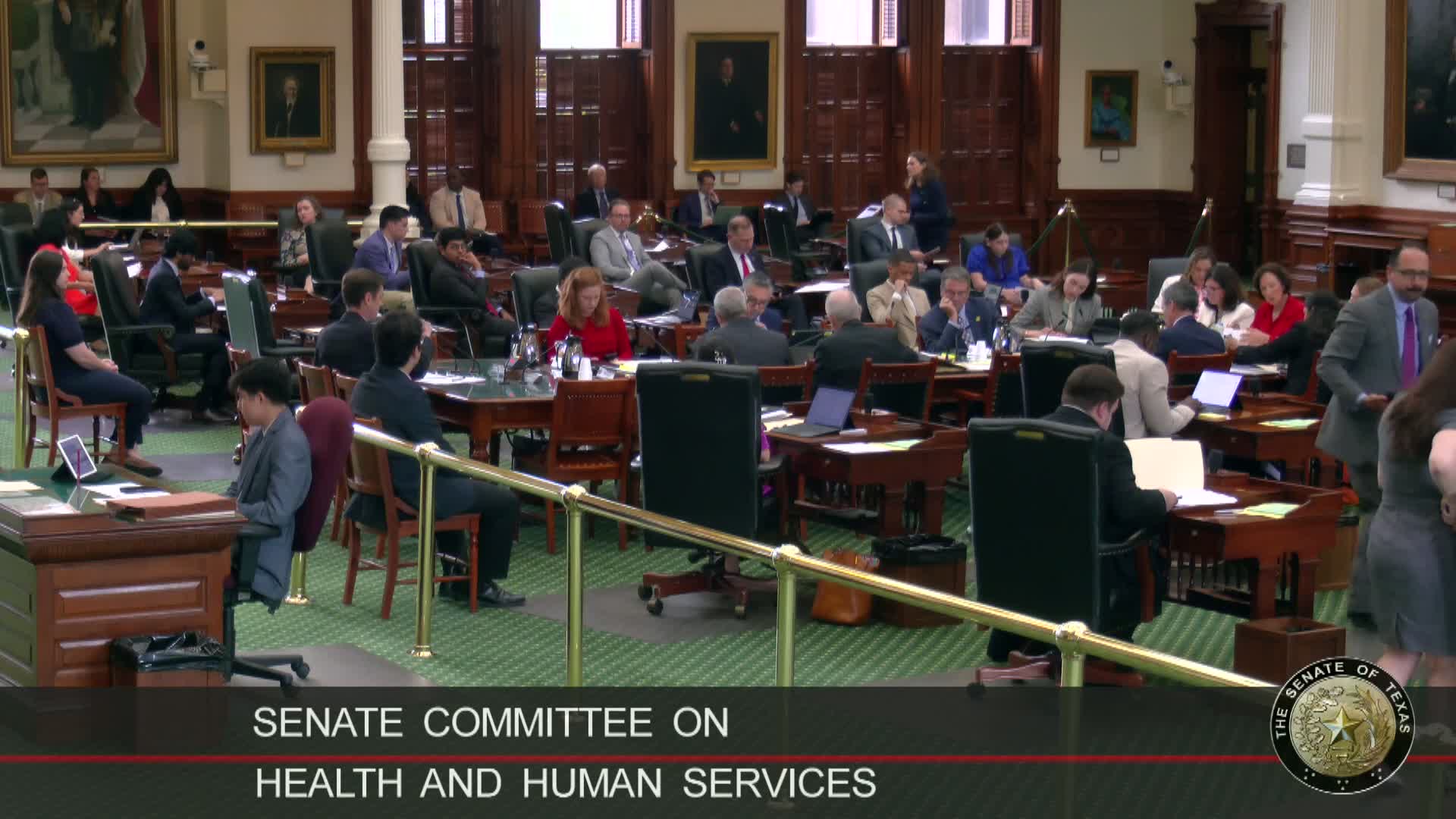
House Bill 32 11 would require vision benefit managers to accept credentialed optometrists into defined benefit networks, standardize credentialing timelines and increase contracting transparency to expand patient access.
House Bill 32 11 seeks to require vision benefit managers (VBMs) that run defined‑benefit vision plans to accept any optometrist or therapeutic optometrist who meets credentialing requirements and agrees to contractual terms, to standardize credentialing timelines and increase transparency in contracting. Sponsors and optometrist witnesses said two large VBMs (VSP and EyeMed) control more than 70% of the Texas vision plan market and that closed or selectively limited…
Already have an account? Log in
Subscribe to keep reading
Unlock the rest of this article — and every article on Citizen Portal.
- Unlimited articles
- AI-powered breakdowns of topics, speakers, decisions, and budgets
- Instant alerts when your location has a new meeting
- Follow topics and more locations
- 1,000 AI Insights / month, plus AI Chat