Get Full Government Meeting Transcripts, Videos, & Alerts Forever!
Get email alerts on the Health Insurance Medigap topic
No spam. Unsubscribe anytime.
Lawmakers consider Medigap pricing change for Texans under 65 with severe disabilities
Summary
House Bill 25 16 would require insurers to offer Medicare supplement (Medigap) plans to Texans under 65 who qualify for Medicare due to disability (including ALS and end‑stage renal disease) at more comparable rates to seniors; patient advocates described high premiums and financial burdens, while witnesses urged legislative action.
House Bill 25 16 would require entities that deliver Medicare supplement plans in Texas to offer guaranteed‑issue Medigap coverage to Texans under age 65 who qualify for Medicare because of disability, amyotrophic lateral sclerosis (ALS) or end‑stage renal disease. Sponsor testimony described the current disparity in premiums for disabled younger Medicare recipients compared with seniors and urged a statutorily guaranteed‑issue approach similar to statutes in other states.
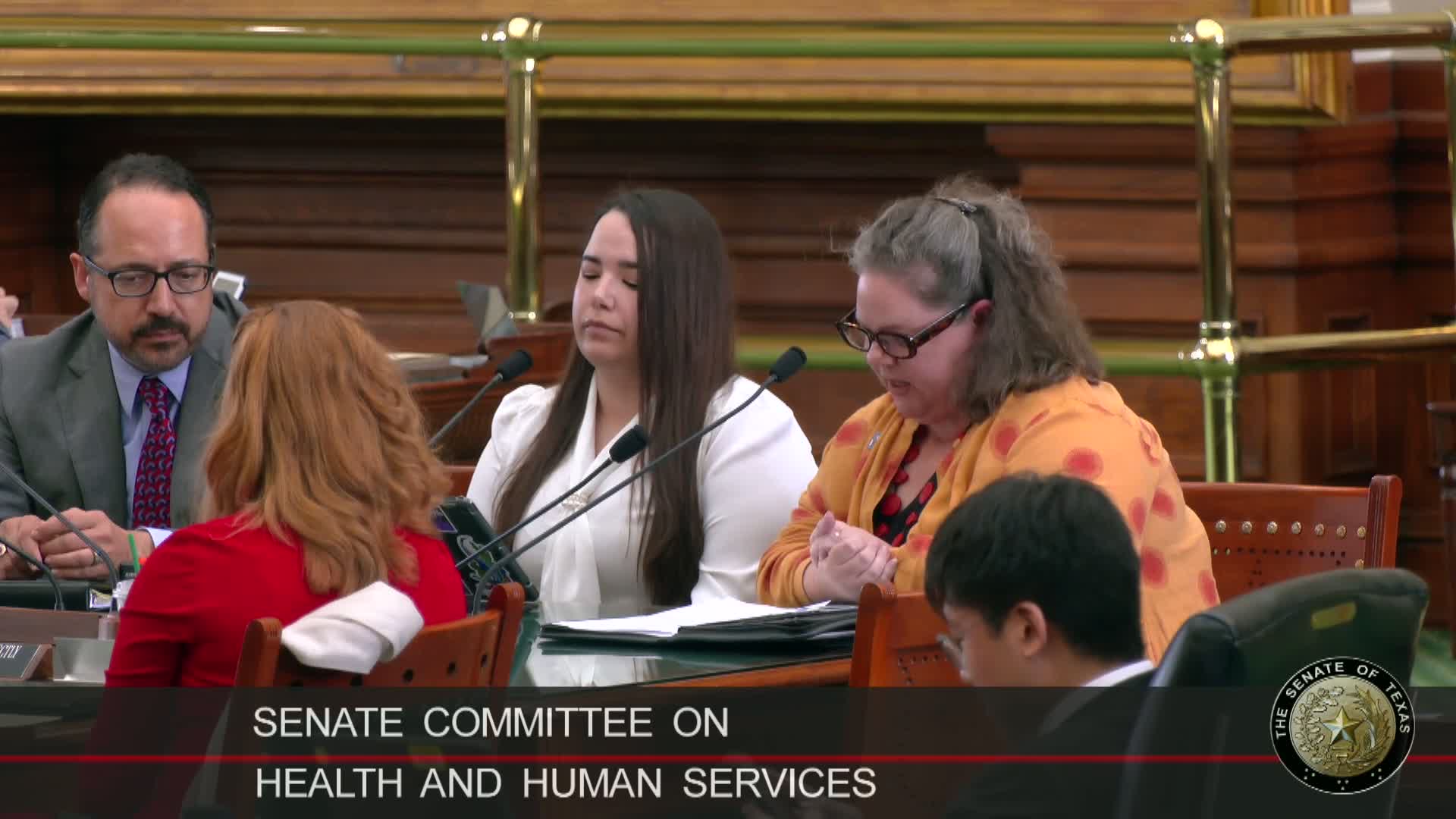
Supporters said younger Medicare‑eligible Texans with severe conditions face steep Medigap premiums—often several times higher than a 65‑year‑old—and that the cost forces many to spend down assets to qualify for Medicaid. Chris Larkin, a Texas resident living with ALS who testified with his caregiver, described out‑of‑pocket drug costs and equipment expenses and said “the cost of ALS are exorbitant” and that Medigap premium differences can run to “$2,000 a month” for a younger disabled beneficiary compared with “$200–$400 a month” typical for many seniors. Diana Arévalo of the ALS Association told the committee ALS often strikes people between 40 and 70 and the financial burden of care can exceed $250,000 a year.
Mark Young and other witnesses urged the Legislature to consider definitions that prevent insurers from using multiple subsidiaries to evade guaranteed‑issue obligations; witnesses said regulatory clarification or statutory language defining “entity” could prevent a pattern in which a carrier closes a plan to new enrollees, opens a different subsidiary plan, and shifts risk in ways that raise premiums for vulnerable policyholders.
Supporters asked the committee to pass the bill to reduce the need for disabled Texans to spend down assets to obtain Medicaid coverage and to provide more predictable coverage for catastrophic conditions. The committee closed public testimony and left the bill pending.
No formal vote was taken at the hearing.