Get Full Government Meeting Transcripts, Videos, & Alerts Forever!
Get email alerts on the Utility Rate Recovery Gas topic
No spam. Unsubscribe anytime.
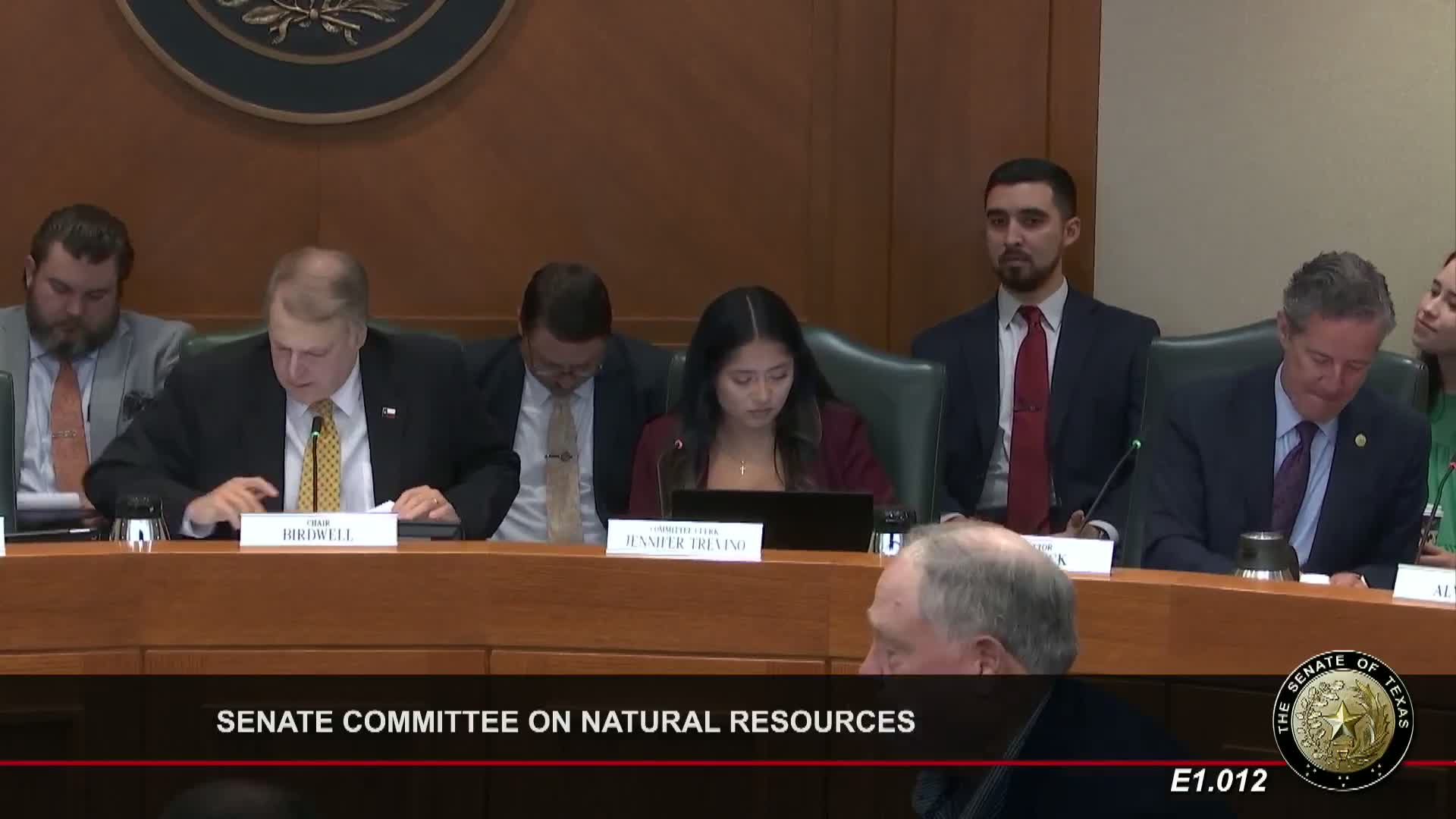
Committee hears mixed testimony on bill allowing utilities to defer and later recover gas infrastructure costs
Summary
House Bill 43 84 would let natural gas utilities defer certain costs for newly placed infrastructure and recover them later through GRIP and annual filings, subject to Railroad Commission review; utilities said it reduces borrowing costs while advocates warned of higher near‑term rates for customers.
House Bill 43 84 would permit natural gas utilities to temporarily defer certain costs for newly placed infrastructure—such as post‑in‑service carrying costs, depreciation and property taxes—and recover those deferred amounts through the existing Gas Reliability Infrastructure Program (GRIP) and annual filings, subject to later Railroad Commission review in a full rate proceeding.
Chair and sponsor statements described the proposal as a way to address "regulatory lag," the delay between utilities making infrastructure investments and beginning to recover the cost through rates. Jason Ryan, executive vice president at CenterPoint Energy, testified in favor, saying the bill makes accounting for new infrastructure consistent with longstanding treatment for replacement pipe, improves utilities' credit profiles and ultimately lowers borrowing costs that are passed through to customers.
Opponents included Thomas Mercado (representing ACSC) and Cyrus Reed of the Sierra Club, who testified against the bill as filed. They argued the bill would allow utilities to increase profits and shift costs to ratepayers before the commission conducts contemporaneous review. Mercado said the bill "increases profits for utilities and increases rates for ratepayers without any offsetting benefits," and contended it could incentivize overspending because of the certainty of future recovery.
Committee members asked technical and policy questions about transparency and consumer protections. Senators discussed whether the annual review and later general rate case provide sufficient checks, whether gross plant additions should be reduced by retirements and accumulated depreciation before applying a return, and whether intermediate guardrails (for example, thresholds that would trigger local review) are needed to protect customers from large short‑term increases.
CenterPoint noted it files annual applications with nearly 300 municipalities and the Railroad Commission outlining spending and said amounts that are later disallowed are refunded to customers with interest. The utility argued the framework has been used for replacement pipe for two decades without the “parade of horribles” opponents warned about.
No final committee action was taken; the bill was left pending with sponsors indicating interest in possible floor or committee amendments to address concerns about consumer protections and cost controls.