Get Full Government Meeting Transcripts, Videos, & Alerts Forever!
Get email alerts on the Tax Credits topic
No spam. Unsubscribe anytime.
House Revenue Committee holds public hearing on technical fixes to tax credits in HB 2095
Summary
At its May 13 meeting the House Committee on Revenue opened and closed a public hearing on House Bill 2095, a technical “fix-it” bill that deletes an obsolete reference in the internal revenue code and aligns statutory sunset dates for two tax credits; no witnesses testified and no committee action was taken.
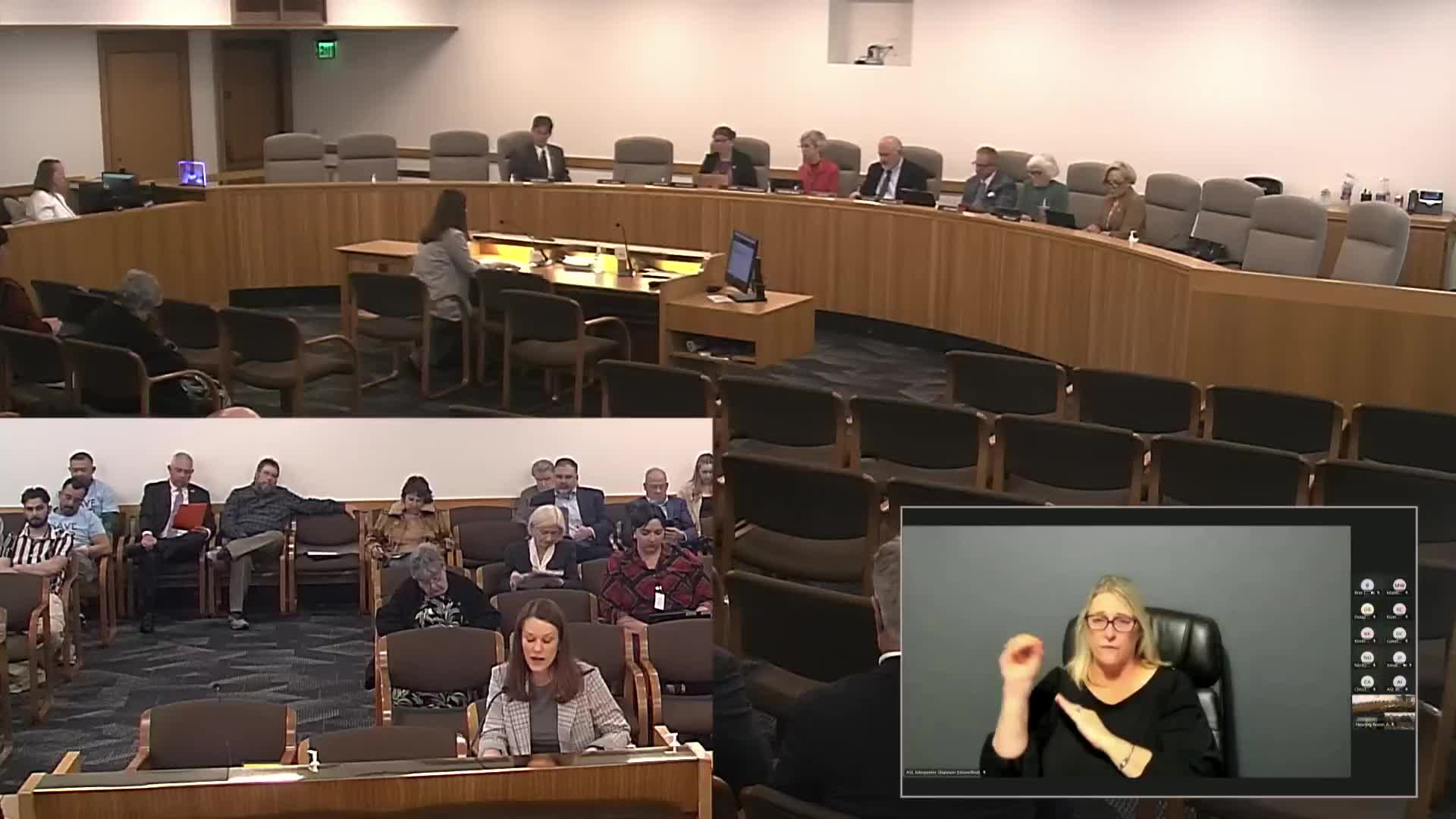
The House Committee on Revenue opened a public hearing May 13 on House Bill 2095, a technical measure to delete an obsolete internal revenue code reference and to align the statutory sunsets for two tax credits, and then closed the hearing after a brief staff presentation.
The bill’s presenter said the introduced version removes an obsolete reference in the internal revenue code that affects Oregon’s research-and-development semiconductor tax provisions. The presenter, identified in the hearing as Kyle (staff member), said a dash-2 amendment would make two additional changes: aligning the sunset date language for the affordable housing lender tax credit and aligning the timing rules for donations to the individual development account (IDA) donation tax credit. “So it doesn’t change the underlying sunset of the credit,” Kyle said of the affordable housing lender credit, and the amendment “is making two changes to existing credits, again, keeping with that fix-it theme.”
Committee members asked no substantive follow‑up and no public witnesses were signed up to testify. Chair Nathanson closed the public hearing and took no formal action on the bill during the May 13 meeting.
Because HB 2095 is a technical cleanup bill that does not change the underlying sunset dates, staff characterized the measure as intended to align statutory language with legislative intent. The committee did not vote or instruct staff to prepare amendments during the public hearing. The bill remains eligible for further consideration by the committee or by the Legislature under the normal scheduling process.