Get Full Government Meeting Transcripts, Videos, & Alerts Forever!
Get email alerts on the Prior Authorization topic
No spam. Unsubscribe anytime.
Committee hears bipartisan push to reform prior authorization; bill would increase transparency and require electronic tools
Summary
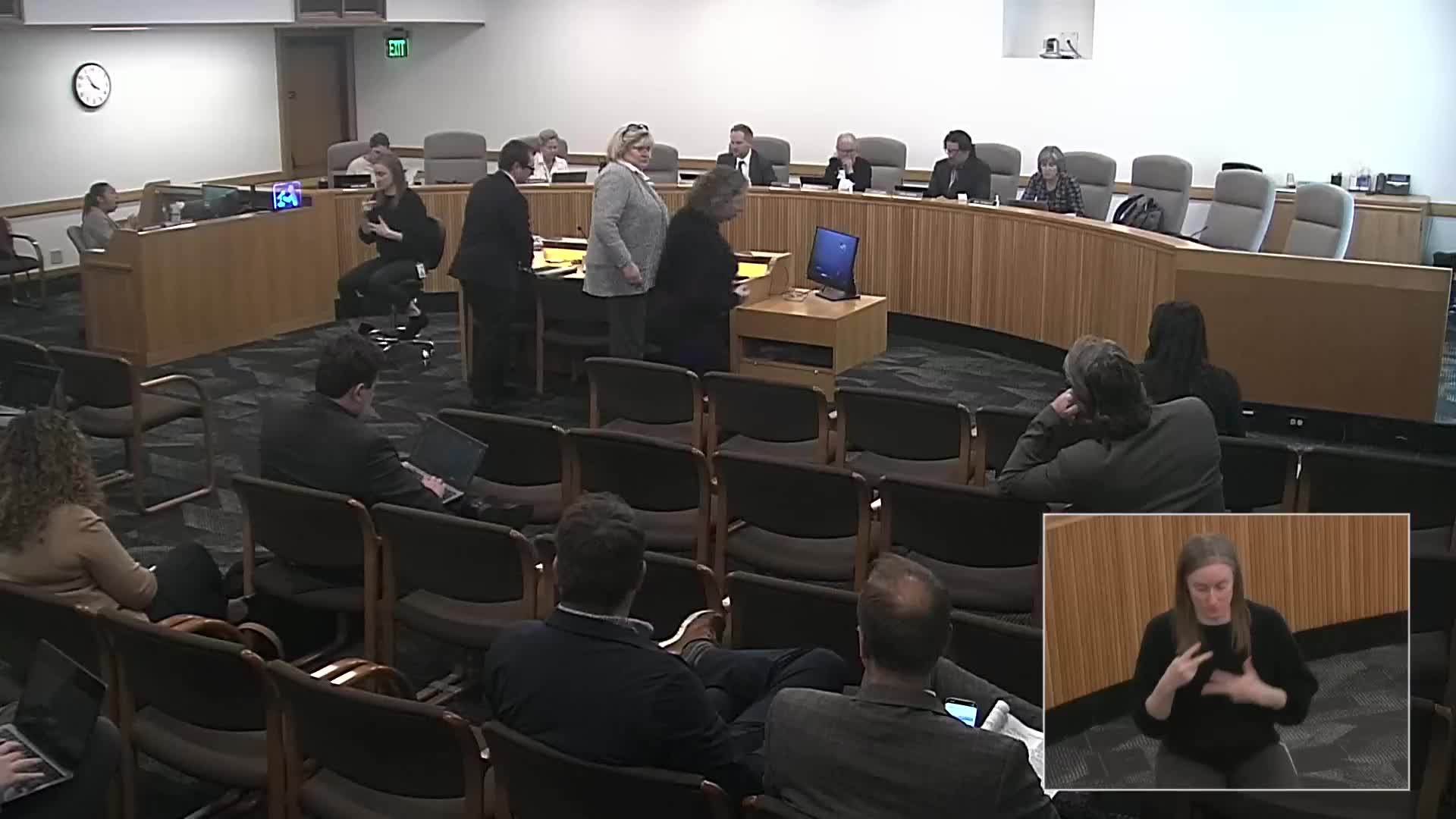
The Senate Committee on Health Care held a public hearing on House Bill 3134 A, a measure that supporters described as a targeted reform to prior authorization processes used by insurers.
The Senate Committee on Health Care held a public hearing on House Bill 3134 A, a measure that supporters described as a targeted reform to prior authorization (PA) processes used by insurers.
The bill’s sponsors and medical association representatives told the committee PA often delays medically necessary care, pushes patients to abandon treatment and heightens clinician administrative burden. The measure would make three principal changes: (1) require the Department of Consumer and Business Services to publish aggregated prior authorization data the department already collects; (2) ensure insurers reimburse medically necessary or emergent procedures discovered during surgery even if they were not preapproved at the time of booking; and (3) require insurers to adopt an electronic interface that indicates whether PA is required and which documents must be submitted, thereby aligning state practice with a federal electronic PA rule being phased in through 2027.
Why it matters: PA is a common utilization management tool across commercial insurance. Advocates say electronic approaches and reporting would reduce delays and administrative costs for clinicians and patients; insurers and plans said they support modernization but urged careful implementation to preserve appropriate utilization safeguards.
Testimony summaries - Alex Fahlman, chief of staff to Representative Rob Nosse, framed the bill as a narrowed, practical package after broader drafts were pared back. He summarized the three core components: public reporting by DCBS of PA data it already collects; reimbursement protections for unanticipated but medically necessary intra‑operative procedures; and a phased alignment with federal electronic PA requirements that take effect in 2027. - Courtney Dresser of the Oregon Medical Association said physician surveys (2018 and 2024) show overwhelming clinician experience of PA delays and abandonment of treatment (she cited “99 percent of Oregon physicians report prior authorization delaying patient care” and that “92 percent say it leads to patients giving up on treatment altogether”) and urged support for incremental reforms now with additional work in the interim. - Payers including PacificSource and Blue Cross Blue Shield provided neutral testimony and emphasized the importance of careful change management and electronic interoperability; they said they will provide aggregated data to DCBS and that the department will publish aggregated results rather than raw plan‑level details. - CareOregon raised a related matter about Medicaid coordinated care organizations and asked the committee to consider a narrow amendment allowing CCOs to reverse a prior‑authorization denial after consulting the requesting provider (a reconsideration process distinct from the formal appeals process), to reduce administrative burden brought on by federal timeline changes.
Next steps The committee heard broad stakeholder support for transparency and for the federal electronic PA alignment; staff noted the bill passed the House unanimously and that proponents and insurers will continue technical work during the interim and through rulemaking and implementation timelines tied to federal requirements in 2027.
Ending note Sponsors described the bill as a practical step toward reducing delays and administrative costs associated with prior authorization while aligning Oregon law with forthcoming federal electronic PA standards.