Get Full Government Meeting Transcripts, Videos, & Alerts Forever!
Get email alerts on the Medigap Open Enrollment topic
No spam. Unsubscribe anytime.
Lawmakers weigh Medigap overhaul as sponsors, insurers and consumer groups debate trade-offs
Summary
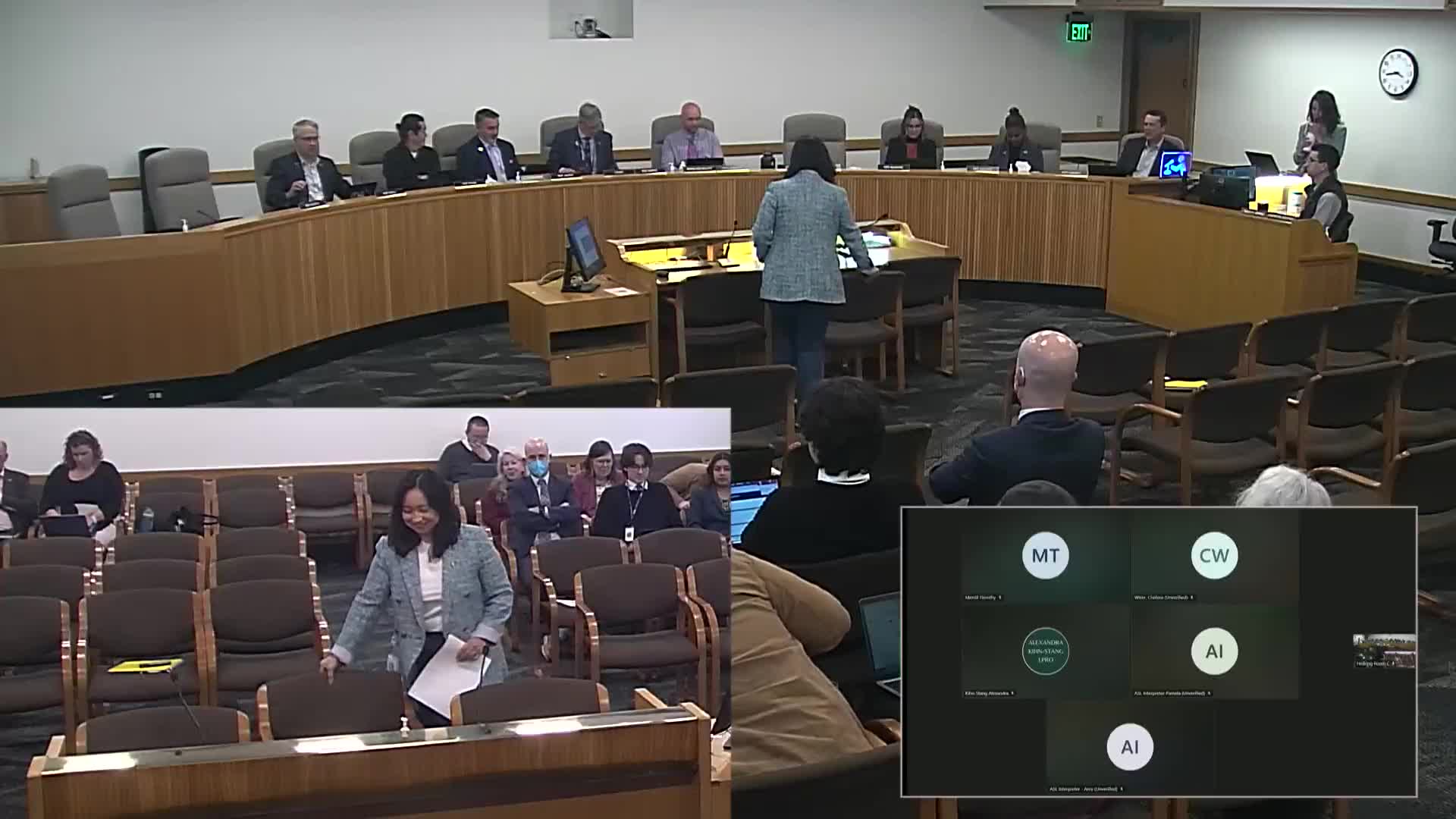
The House Committee on Behavioral Health and Health Care heard extended testimony May 13 on Senate Bill 1181, a measure to create an annual open enrollment period for Medicare supplement insurance (Medigap) and to limit insurers’ use of some underwriting factors.
The House Committee on Behavioral Health and Health Care heard extended testimony May 13 on Senate Bill 1181, a measure to create an annual open enrollment period for Medicare supplement insurance (Medigap) and to limit insurers’ use of some underwriting factors. Sponsor Senator Winsve Campos said the bill would protect seniors who discover Medicare Advantage limits, narrow networks or provider terminations after their initial six‑month Medigap enrollment window at age 65.
Why it matters: about half of Oregon Medicare enrollees are in Medicare Advantage plans; advocates and some lawmakers told the committee that beneficiaries who later find Advantage networks restrictive or lose in‑network providers can be unable to switch to Medigap because of medical underwriting and preexisting-condition exclusions. Supporters urged an annual guaranteed-issue period so beneficiaries retain meaningful choice as care needs and provider access change.
“Senate Bill 1181 helps us take another step towards this goal,” sponsor Senator Winsve Campos told the committee. Campos said the bill, with a posted “-1” amendment, shortens an annual open enrollment window from 90 days to 60 and retains community rating for some factors while removing age and geography as rating factors in part.
Jesse O’Brien, policy manager with the Division of Financial Regulation at the Oregon Department of Consumer and Business Services (DCBS), presented neutral, technical testimony on market structure and state authority. O’Brien said Oregon’s Medigap market covers roughly 175,000 people, that plan benefits are federally standardized by letters (A through N), and that the department reviews and approves Medicare supplement rates. On modeling, O’Brien said DCBS’s analysis of a California study suggested an average premium increase near 14% under comparable proposals but cautioned that such estimates are “back of the envelope” without full claims data; he said removing the community‑rating provisions could reduce, but not eliminate, the impact.
Consumer advocates and organizations representing older Oregonians testified in support. Adam Zarin of the Leukemia & Lymphoma Society described cases in which patients who tried to switch after losing a provider were denied coverage because of preexisting conditions, and AARP Oregon said the bill would restore choice for aging Oregonians who may need different coverage over time.
Insurers and trade groups urged caution or opposed the measure. Elise Brown of America’s Health Insurance Plans said open guaranteed-issue enrollment has produced substantial premium increases in other states and cited a California analysis showing an increase from $239 to $319 monthly for a representative Medigap plan (a 33% increase). Mary Ann Cooper of Regence (Blue Cross Blue Shield of Oregon) and other carriers noted Washington’s review showing a 16% increase and projected enrollment declines; they urged more narrowly targeted remedies for people affected by provider‑network terminations rather than a broad annual open enrollment.
Committee questions focused on qualifying events, rating factors and guardrails. DCBS explained existing guaranteed‑issue situations (for example, when a plan leaves a service area or a no‑fault employer coverage loss) and described Oregon’s “birthday rule,” which allows a current Medigap enrollee to apply for a new plan 30 days before or after their birthday each year if the new plan is of equal or lesser value. Committee members asked DCBS for more data on denials, state comparisons and the specifics of the department’s 14% estimate; DCBS offered to follow up with additional analyses and a possible 50‑state comparison.
No vote was taken. The hearing included extensive stakeholder exchanges and several proposals to narrow the bill’s scope; proponents and opponents both urged further technical work. Committee members said they had “a lot to think about” after competing evidence on consumer protection versus premium impact.
Details extracted from testimony and agency comments: - DCBS estimated the Oregon Medigap market covers about 175,000 people and reported roughly 21 issuers offering both Plan A and the more generous Plan G in some form. - The sponsor’s -1 amendment shortens the proposed annual guaranteed-issue window and modifies community‑rating provisions (removes age and geographic rating factors but leaves other rating limits). - Analysts cited in testimony gave a range of premium‑impact estimates: a California study cited by industry witnesses showed an illustrative increase of about 33% for one plan; DCBS cited an average estimate around 14% under California assumptions but warned of a wide range depending on assumptions; Washington’s analysis suggested a 16% average premium increase and about a 7% enrollment decline. - Consumer and patient groups urged the committee to focus on access and financial risk from delayed or denied coverage; insurers urged targeted guaranteed-issue rules tied to demonstrable loss of access rather than a universal annual window.
The committee asked DCBS to provide additional data and state comparisons; the bill remains in committee pending further analysis and possible amendment.