Get Full Government Meeting Transcripts, Videos, & Alerts Forever!
Get email alerts on the Organ Transport Vehicles topic
No spam. Unsubscribe anytime.
Oregon hearing on organ-transport vehicles spotlights safety, logistics and insurer questions
Summary
A House committee heard testimony May 13 on Senate Bill 1161 to allow specially licensed organ-transport vehicles to use lights and sirens; donors, a transport provider and several legislators discussed timing, driver qualifications and insurance while the committee took no immediate action.
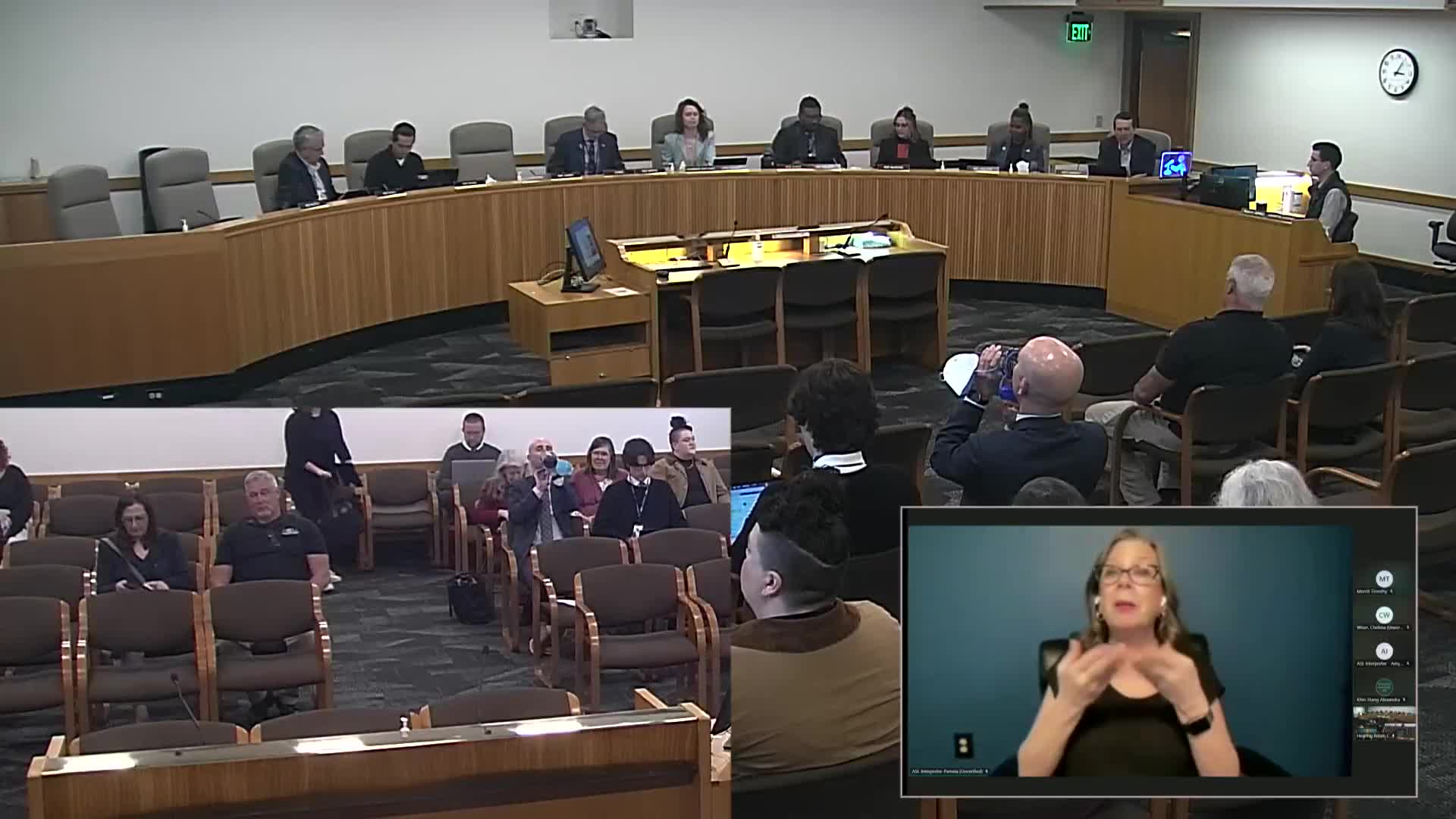
A House committee opened a public hearing May 13 on Senate Bill 1161, which would direct the Oregon Health Authority to license ‘‘Oregon transport vehicles,’’ set standards for drivers and amend traffic laws to permit lights and sirens and create violations for interference and failure to yield. The hearing before the House Committee on Behavioral Health and Health Care drew testimony from nonprofit and private transport representatives who said faster, legally authorized transport could save transplant organs and reduce pressure on ambulance services.
The bill matters because transplant teams often work against the clock: witnesses said some organs remain viable only four to six hours, and traffic delays can mean lost opportunities for transplantation. Proponents told the committee that a limited legal authorization for specialized transport vehicles, operated by trained drivers, would honor donor families and improve transplant outcomes.
Laura Ellsworth, executive director of Donate Life Northwest, told the committee: “Time is critical, and the faster things can move, the better the outcomes for the people receiving the transplants.” Ellsworth, who said she is a kidney transplant recipient, testified that the measure would let organ-transport vehicles use lights and sirens through busy traffic and “reduce the use of ambulances and ultimately result in more successful transplants and lives saved.”
Keith Lonian, regional supervisor for Nationwide Oregon Recovery Alliance (NORA), described his organization’s operations: “Some of these organs expire in a very quick amount of time, like between 4 and 6 hours for some of these. So they have to get on that aircraft really quick or in the OR.” Lonian said NORA hires only drivers with at least five years’ experience in law enforcement, fire or ambulance operations and that the vehicles his group uses already come equipped to run lights and sirens.
Legislators asked practical questions during the roughly 13-minute public testimony period. Representative McIntyre asked whether the cost of outfitting vehicles with lights and sirens would be a barrier; Lonian said his company’s Oregon vehicles already have the equipment and that some operations rely on charter flights or commercial airlines for longer transfers. Representative Nelson asked which states have similar laws; witness testimony noted Washington enacted similar authority two sessions earlier. Representative McIntyre also asked about insurance; Lonian replied NORA carries what he described as a $10 million insurance bond.
Witnesses and lawmakers distinguished the proposal from ambulance operations. Ellsworth said the bill would reduce ambulance reliance for organ transport and help preserve ambulance availability for medical emergencies. Lonian said his staff are retired first responders and receive training to operate lights-and-sirens vehicles safely across jurisdictions, including trips to Seattle.
No committee vote or amendment was taken at the hearing. Members discussed suspending rules to move to a work session but ultimately stood the matter at ease; the committee chair said a work session on related bills was being scheduled for later in the week. Staff summarized that Senate Bill 1161 came to the committee from the Senate Committee on Health Care and from Senator Patterson.
The committee requested no formal follow-up during the public hearing; committee members indicated they may return to the item after a separate committee engagement. For now, the measure remains at the public hearing stage in the House committee.