Get Full Government Meeting Transcripts, Videos, & Alerts Forever!
Get email alerts on the Pharmacy 340b topic
No spam. Unsubscribe anytime.
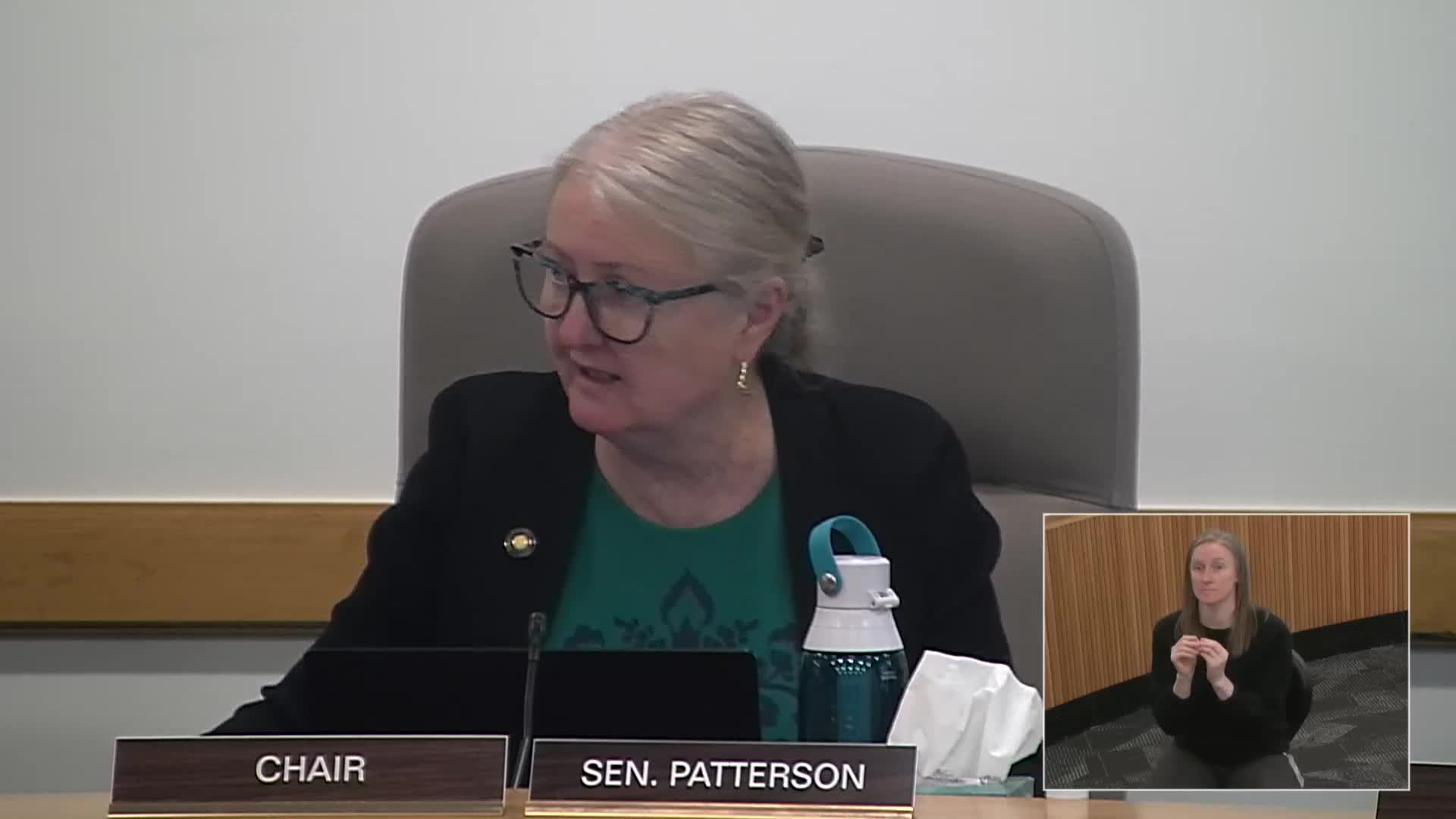
Senate panel advances bill targeting 340B practices after hours of amendments and debate
Summary
The Senate Committee on Health Care voted to advance House Bill 2385 A, a measure aimed at restricting certain manufacturer actions around 340B drugs and increasing transparency; lawmakers debated civil penalties, low‑income patient benefits and reporting requirements before passing amendments and the bill with a due‑pass recommendation.
The Oregon Senate Committee on Health Care advanced House Bill 2385 A on a series of contested amendment votes Tuesday, moving a measure focused on the 340B drug discount program toward the Senate floor after lengthy debate about penalties, patient benefit sharing and reporting requirements.
The bill makes it an unlawful trade practice for drug manufacturers to take specified actions that limit or interfere with a pharmacy's ability to acquire or dispense 340B drugs. Committee members debated four proposed amendments that would add a civil penalty, widen the definition of covered entities, require greater sharing of savings with low‑income patients and mandate annual reporting to the Department of Consumer and Business Services.
Why it matters: The 340B program is designed to allow qualifying health care providers to buy outpatient drugs at discounted prices so those savings can be reinvested in patient services. Critics and supporters in the hearing described the program’s growth and the role of middlemen differently: supporters argued increased transparency is necessary so discounts reach patients and safety‑net providers, while opponents warned of unintended cost shifts to hospitals, insurers and employers.
Key actions and amendments - A proposed dash A9 amendment to define “entity” to include federally qualified health centers (FQHCs) was moved and discussed; that motion failed on a roll call vote. The motion to adopt dash A9 did not pass. - A proposed dash A10 amendment that would have required covered entities to use 95% of the difference between payments received and acquisition cost to lower out‑of‑pocket costs for households at or below 400% of the federal poverty guideline failed on a roll call vote. - The committee adopted a dash A8 amendment authorizing the State Board of Pharmacy to impose civil penalties of up to $5,000 per day on a manufacturer that violates provisions of the measure; the motion to adopt dash A8 passed on a roll call. During debate several members expressed concern that adding civil penalties would change previously described minimal fiscal impacts to indeterminate. - The committee ultimately moved House Bill 2385 A, as amended, to the floor with a due‑pass recommendation; a member announced an intention to file a minority report.
Discussion highlights Committee members pressed two related themes through the debate: (1) transparency about how 340B savings are used and (2) the distributional consequences of changing the program. A committee member said the program “was originally designed to benefit the patients,” and others argued that without public reporting, stakeholders can’t evaluate whether savings are reaching low‑income patients or being shifted onto other payers. Opponents warned the measure — especially with civil penalties — could create tens of millions in cost to state agencies and insurers and could shift costs to hospitals and employers.
Clarifying details discussed by the committee and witnesses - Dash A8 would authorize civil penalties up to $5,000 per day for manufacturers found in violation of the bill’s provisions. - Dash A10 (proposed and debated but not adopted) would have required covered entities to calculate the difference between total payments received for 340B drugs and total acquisition cost and to use 95% of that difference to reduce out‑of‑pocket costs for households with incomes at or below 400% of federal poverty guidelines. - Dash A11 (described in staff summary) would have required covered entities to report annually to the Department of Consumer and Business Services on acquisition costs, payments received and itemized efforts to lower out‑of‑pocket costs.
Next steps The measure moved to the Senate floor with a due‑pass recommendation and a committee member said they intend to file a minority report to register dissent on the record. Committee staff noted fiscal impact and revenue statements were posted to the legislative information system prior to the meeting.
Ending note Committee members and witnesses agreed there is room for additional work on transparency and enforcement; members urged further conversations between proponents, manufacturers and state agencies before the bill advances further.