Get Full Government Meeting Transcripts, Videos, & Alerts Forever!
Get email alerts on the Transportation topic
No spam. Unsubscribe anytime.
Oregon transportation committee hears case for pause to clean-truck rule; no vote, work session continued
Summary
The Joint Committee on Transportation discussed a dash-6 amendment to Senate Bill 840 that would delay enforcement of the Advanced Clean Trucks rule by the Department of Environmental Quality until Jan. 1, 2027. Lawmakers debated infrastructure, supply and economic impacts but took no formal vote and rolled the item to a future meeting.
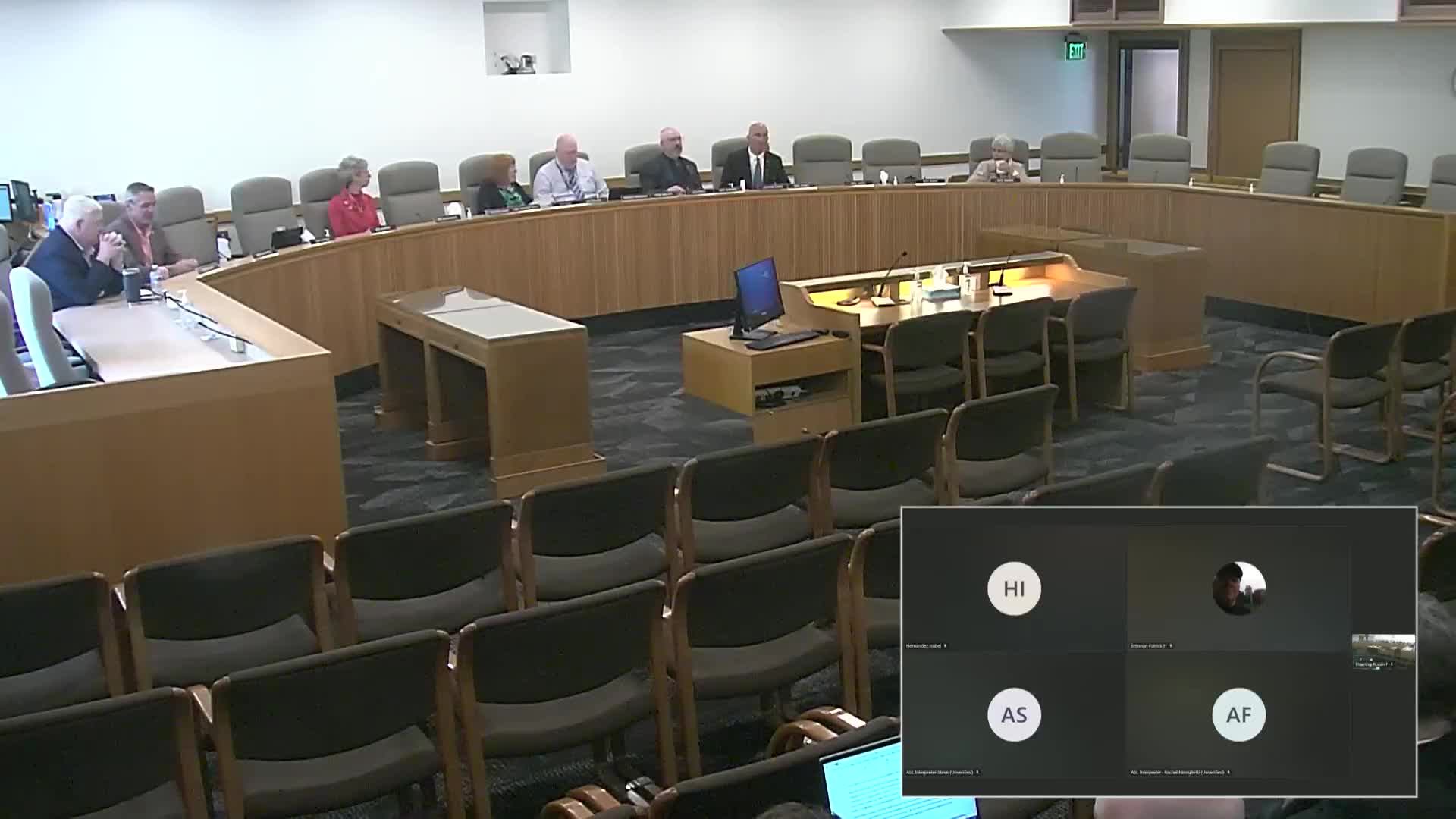
SALEM, Ore. — Lawmakers on the Joint Committee on Transportation on May 13 debated a proposal to delay parts of Oregon’s clean-truck regulatory rollout, but took no formal vote and postponed further action until a follow-up meeting next week.
The committee opened a work session on Senate Bill 840 to consider a dash-6 amendment that would bar the Department of Environmental Quality (DEQ) from implementing or enforcing the Advanced Clean Trucks (ACT) regulations adopted by the Environmental Quality Commission before Jan. 1, 2027. Committee members described supply-chain, manufacturing and infrastructure problems they said are preventing fleets from buying or using regulated electric medium- and heavy-duty vehicles.
Committee members said the issue matters because the rules affect manufacturers, dealers, freight operators and the state’s ability to deliver goods. Several lawmakers urged a temporary pause to allow technology and charging infrastructure to mature, while others urged caution about signaling opposition to state and federal clean-air policy.
“Absent this, inaction is actually harmful,” said Senator Meek, describing testimony the committee had heard about manufacturing and trucking industry struggles. “We’re going to have compliance obligations that are going to start tolling at some point.”
Representative Evans said he supported a temporary extension. “I support the temporary extension. It’s not getting rid of it,” he said, adding that the pause should be used to pursue other emissions reductions—such as expanding renewable-diesel production—while electric-truck technology and charging networks develop.
Several members cited examples they said show the rollout is not working in practice. One lawmaker said dealerships and fleets report “millions of dollars” of electric-vehicle inventory they cannot move; another said Oregon currently has about 12 electric tractor-trailers in operation. Lawmakers also said some trucking sectors and smaller truck classes are being affected, and that heavy batteries increase vehicle weight and can worsen pavement wear.
Other members cautioned against legislative action that might be read as opposing federal or California policy. Senator Pham warned that delaying the rule could be interpreted as aligning with efforts in Congress to overturn California’s Clean Air Act waiver, which Oregon uses as a legal basis for some state air and climate rules.
Several committee members questioned whether DEQ’s current rulemaking or directed fixes would solve the problems. Senator Mannix and others said the underlying policy has been set by executive action rather than statute and urged the Legislature to take up statutory guidance if a pause proceeds.
No formal motion or roll-call vote was recorded in the work session. The committee chair closed the session and said the item would be rolled over for further consideration at a meeting the next week.
The discussion covered: the dash-6 amendment’s limited change—delaying DEQ enforcement of ACT until Jan. 1, 2027; the dash-10 amendment, described to committee members as an effort to reconcile conflicting effective dates between prior amendments; industry testimony claiming shortages or delays in electric vehicle deliveries; and alternatives such as renewable diesel, hydrogen and other fuels.
The committee heard testimony and quotes from multiple members during roughly a 35–40 minute discussion but took no legislative action. Members asked DEQ to clarify whether rulemaking fixes would address class 7 and 8 vehicle concerns and whether enforcement waivers could achieve similar short-term outcomes without legislative change.
The committee will resume consideration at its next scheduled meeting, where members said they expect additional briefings and potential motion language to be available.