Get Full Government Meeting Transcripts, Videos, & Alerts Forever!
Get email alerts on the Emergency Housing Assistance topic
No spam. Unsubscribe anytime.
Lawmakers Hear Calls to Restore and Strengthen Right-to-Shelter Protections for Families
Summary
Senate Bill 136 would restore presumptive placement into emergency assistance (EA) shelter for families, lengthen time limits and create an ombudsman to help applicants. Witnesses described families sleeping in cars and at transit hubs and urged reversal of stricter eligibility and time limits enacted in 2024.
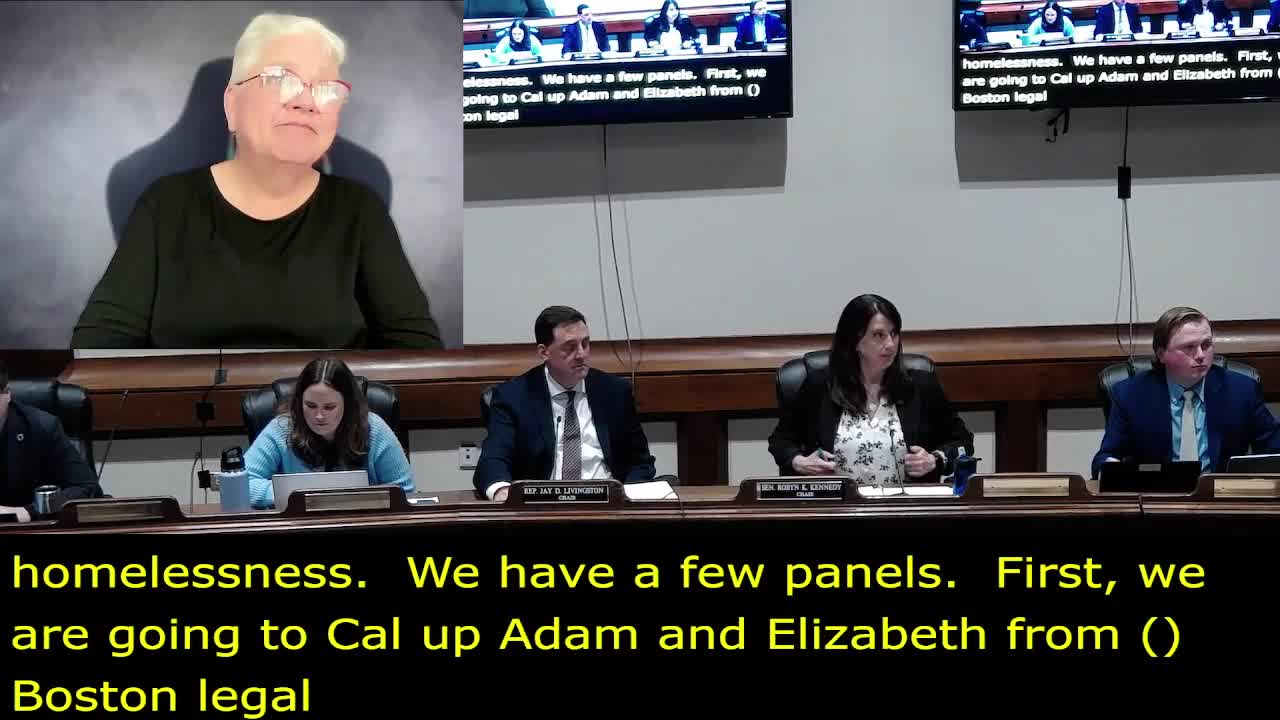
The Joint Committee on Children, Families and Persons with Disabilities heard testimony urging restoration of key protections for families seeking emergency assistance shelter under Senate Bill 136, which sponsors and advocates say would correct changes that now leave some families sleeping unsheltered while they await placement.
Legal services attorneys, shelter providers, public-health experts and clergy described gaps created when the executive branch tightened EA rules and shortened durational limits in fiscal-year 2025 actions. "Without presumptive placement, we now see many families sleeping in unsafe places for days or weeks," said Adam Houle, lead paralegal at Greater Boston Legal Services, who described a 72-year-old father with cancer and his family who slept in a car for three weeks while agencies and service providers attempted to secure shelter.
Witnesses asked the committee to restore presumptive placement (same-day shelter for those who appear eligible), reverse a six-month limit back toward nine months, require the Executive Office of Housing and Livable Communities (EOHLC) to use state data to verify eligibility when families lack documents, and establish an independent ombudsman to help applicants and families navigate appeals and administrative barriers. "Six months is not enough time for shelter families to find housing in Massachusetts," said an expert witness on shelter duration, citing systemic barriers such as eviction histories, low wages and regional housing shortages.
Faith-based volunteers and community groups described stepping in to house families when the shelter system could not. "Volunteers and congregations cannot recreate a 40-year-old statewide right-to-shelter system," said Tali Smokler, who testified on behalf of congregational accompaniment networks. Public-health testimony stressed downstream costs when families remain unsheltered, including increased emergency department use and worse physical and mental health outcomes.
Administration officials did not present during this portion of the hearing; advocates asked for a timely favorable report and legislative attention to both restore immediate shelter access and invest in upstream housing and tenant protections. No committee vote was taken at the hearing; sponsors and advocates will submit written testimony and follow-up materials.