Get Full Government Meeting Transcripts, Videos, & Alerts Forever!
Landscaping firms ask for liability shield for snow-removal contracts; insurers and unions weigh in
Summary
Landscape and snow-service companies urged the committee to pass S.1370/H.2100, which would limit contractor liability for certain snow-and-ice incidents tied to contractual scope; witnesses cited rising insurance costs, contract hold-harmless clauses and multimillion-dollar settlements.
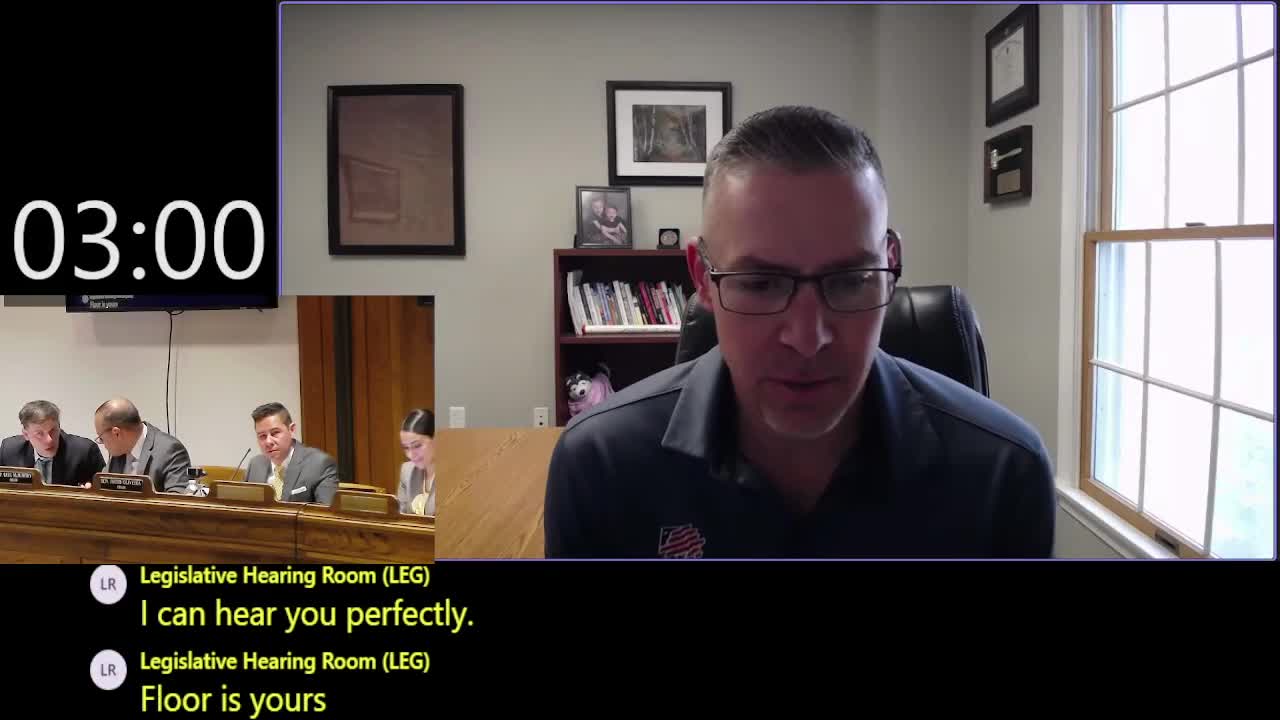
Several Massachusetts landscape and snow-management business owners told the Joint Committee on Labor and Workforce Development that current contract terms and insurance practices make snow-and-ice work financially untenable for many firms.
Company owners described contracts that include broad indemnification and hold-harmless clauses and that restrict contractors’ ability to control scope and timing of snow and ice operations. Doug McDuff, president of Landscape…
Already have an account? Log in
Subscribe to keep reading
Unlock the rest of this article — and every article on Citizen Portal.
- Unlimited articles
- AI-powered breakdowns of topics, speakers, decisions, and budgets
- Instant alerts when your location has a new meeting
- Follow topics and more locations
- 1,000 AI Insights / month, plus AI Chat