Get Full Government Meeting Transcripts, Videos, & Alerts Forever!
Get email alerts on the Water Quality And Protection topic
No spam. Unsubscribe anytime.
Catuwet water commissioners seek authority to fund source‑water projects on private property
Summary
The chairman of the Catuwet Fire District's Board of Water Commissioners asked the committee to allow the district to fund voluntary source‑water protection projects on private property, citing rising salt, iron, manganese, nitrate and PFAS concerns and the district's approval by local voters to pursue the amendment.
The Catuwet Fire District's board asked the Joint Committee to advance legislation amending the district's enabling law to permit voluntary, voter‑approved expenditures for source‑water protection on private property in the wells' zones of contribution.
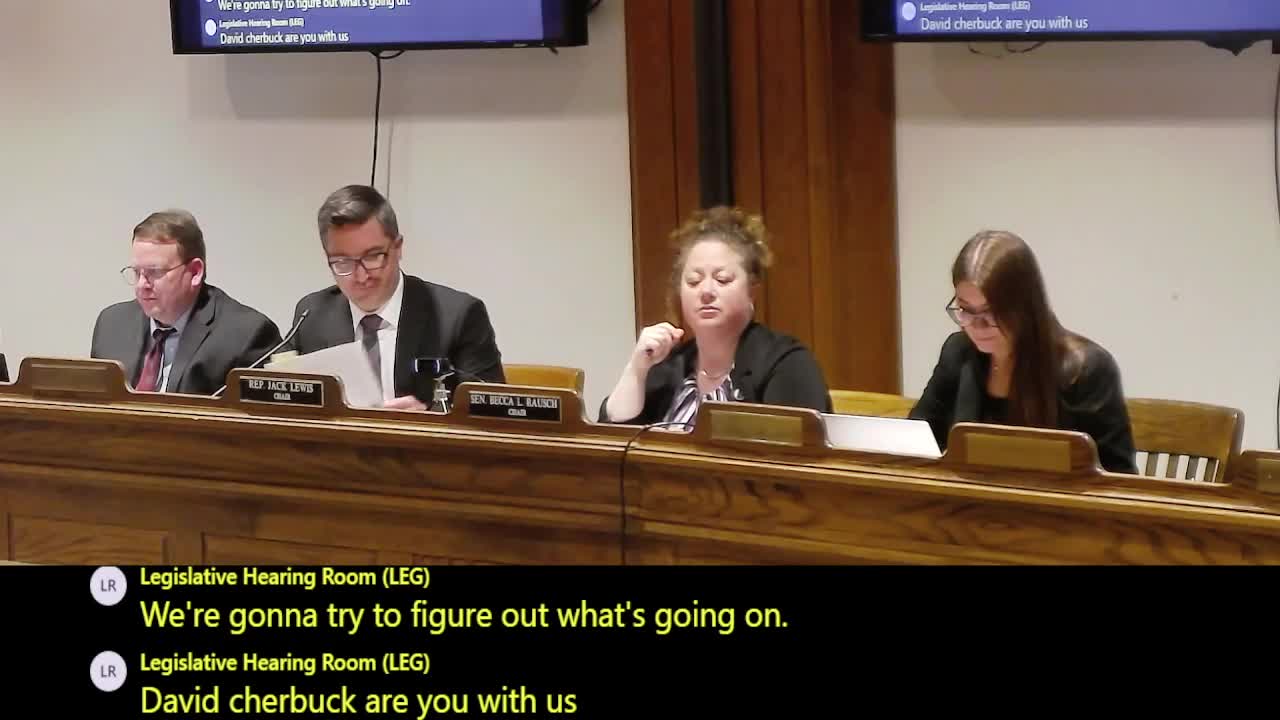
David Sherbuck, chair of the district's Board of Water Commissioners, told the committee the district serves about 2,300 accounts with a summer population close to 5,000 and operates five wells on roughly 240 acres. He said the district currently meets state and federal standards but is seeing rising levels of salt, iron, manganese, nitrates and PFAS. "Source water protection means mitigating contamination and negative impacts to the aquifer at the source and not at the wellhead," Sherbuck said.
Sherbuck described steps the district has taken to reduce demand, including banning connections of new irrigation systems to the public supply and adopting an escalating rate structure that persuaded over 100 accounts to install private irrigation wells; the board has observed an 18% reduction in demand since those changes. He said voters in the Catuwet Fire District approved the local amendment and asked Representative Kip Diggs to file the bill on the district's behalf so the board could lawfully recommend privately funded projects, such as replacing cesspools or septic systems in the well contribution zone, only with the property owner's written consent.
Sherbuck said proposed projects would be funded in part by district funds approved by voters on the district annual meeting warrant.
Why it matters: the change would allow a small public water district to use voter‑approved funds to fund privately situated projects that protect the public water supply's source area.
The committee asked questions but took no formal action at the hearing.