Get Full Government Meeting Transcripts, Videos, & Alerts Forever!
Get email alerts on the Foster Benefits topic
No spam. Unsubscribe anytime.
Committee Hears Broad Support to Protect Social Security Benefits for Youth in Foster Care
Summary
The Joint Committee on Children, Families and Persons with Disabilities heard extensive testimony urging lawmakers to codify Department of Children and Families’ recent practice of conserving Social Security and SSI benefits for children and young adults in foster care so benefits are available when youth age out of custody.
Members of the Joint Committee on Children, Families and Persons with Disabilities heard hours of testimony urging the Legislature to pass bills (H.227 / S.105) that would prevent the commonwealth from appropriating Social Security and other federal benefits owed to children in Department of Children and Families (DCF) custody.
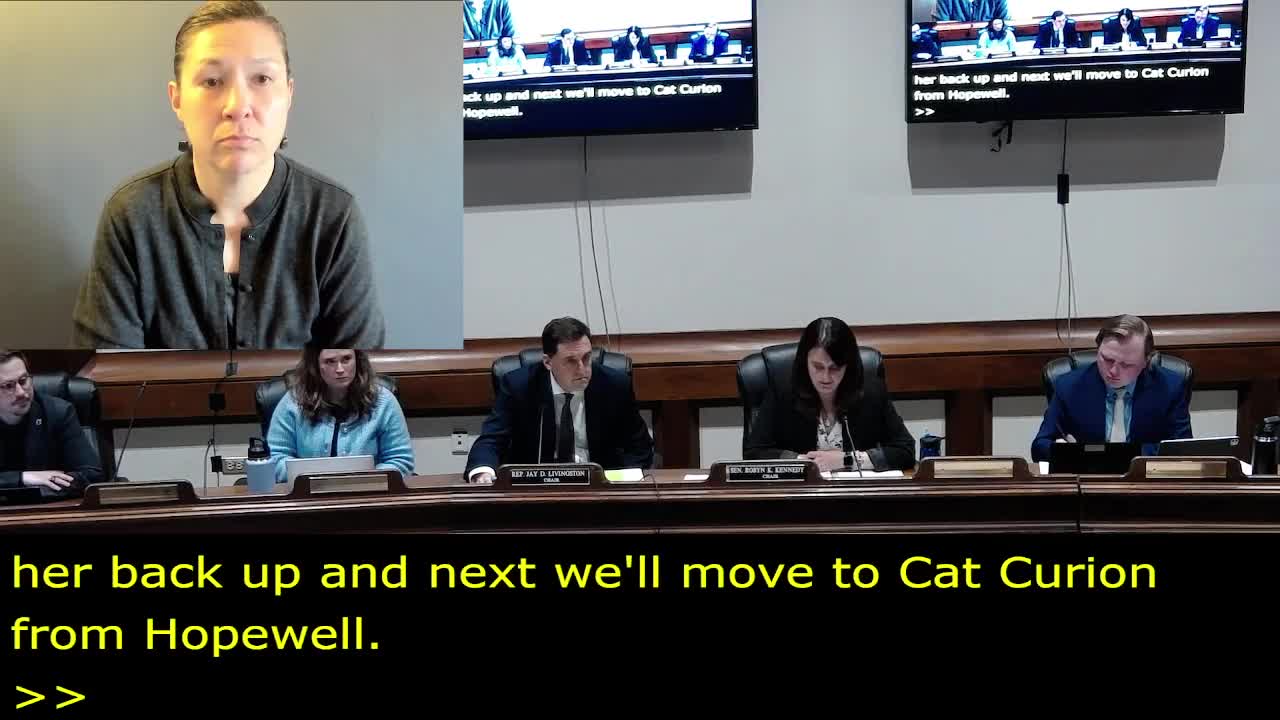
Advocates, legal organizations and people with lived experience told the committee that DCF’s prior practice—redirecting benefits into the state general fund—had deprived hundreds of young people of funds meant to support basic needs and transitions to adulthood. "These are benefits that children and youth are entitled to," said Kat Kerian, public policy and advocacy manager at Hopewell, "and passing this bill will ensure DCF can never revert back to this harmful practice."
Attorneys and advocates described a multi-year campaign that prompted DCF to change its operational practice in early 2024 to conserve benefits in youth-specific accounts. Rick Glassman, formerly of the Disability Law Center, said DCF’s policy shift was a positive development but urged codification into statute so the practice endures: "This reform needs to be codified into law," he said. Young people who testified described concrete harms from the prior practice. "During my time in foster care, DCF took $44,000 in SSI payments," said Felix Rosario, who testified as Onyx, and recounted lacking money for rent, transportation and basic hygiene when he left care.
Supporters stressed equity and long-term outcomes: Senator Jo Comerford said roughly $5.5 million per year intended for about 600 youth was previously redirected to the general fund and that the practice disproportionately affected children of color and youth with disabilities. Experts explained differences among benefit types and implementation steps: survivor benefits and dependent payments have been conserved in interest-bearing accounts, while SSI recipients have been placed into ABLE accounts to preserve eligibility.
Multiple legal and child-welfare groups testified in favor of statutory protections, and several detailed transparency and financial-education provisions in the bill intended to ensure youth understand and can access their accounts beginning at age 14. Testimony acknowledged DCF’s operational work to open individual accounts—advocates highlighted that, as of testimony, DCF reported hundreds of ABLE accounts and thousands of dollars conserved for youth—but said statute is needed to prevent future reversions.
Committee members did not take a procedural vote during the hearing; witnesses submitted written testimony and urged a favorable report to the Legislative session. Advocates emphasized that codifying the change will protect the funds from future budgetary pressures and provide youth entering adulthood with a financial cushion for housing, education and basic needs.