Get Full Government Meeting Transcripts, Videos, & Alerts Forever!
Get email alerts on the Emergency Food Network topic
No spam. Unsubscribe anytime.
Emergency food providers ask legislature to study system sustainability after pandemic funding waned
Summary
The Amherst Survival Center and other witnesses told the committee H118 should be reported favorably so the Commonwealth can assess workforce needs, funding models and infrastructure of the emergency food network that now supplies regular support to thousands, not temporary relief.
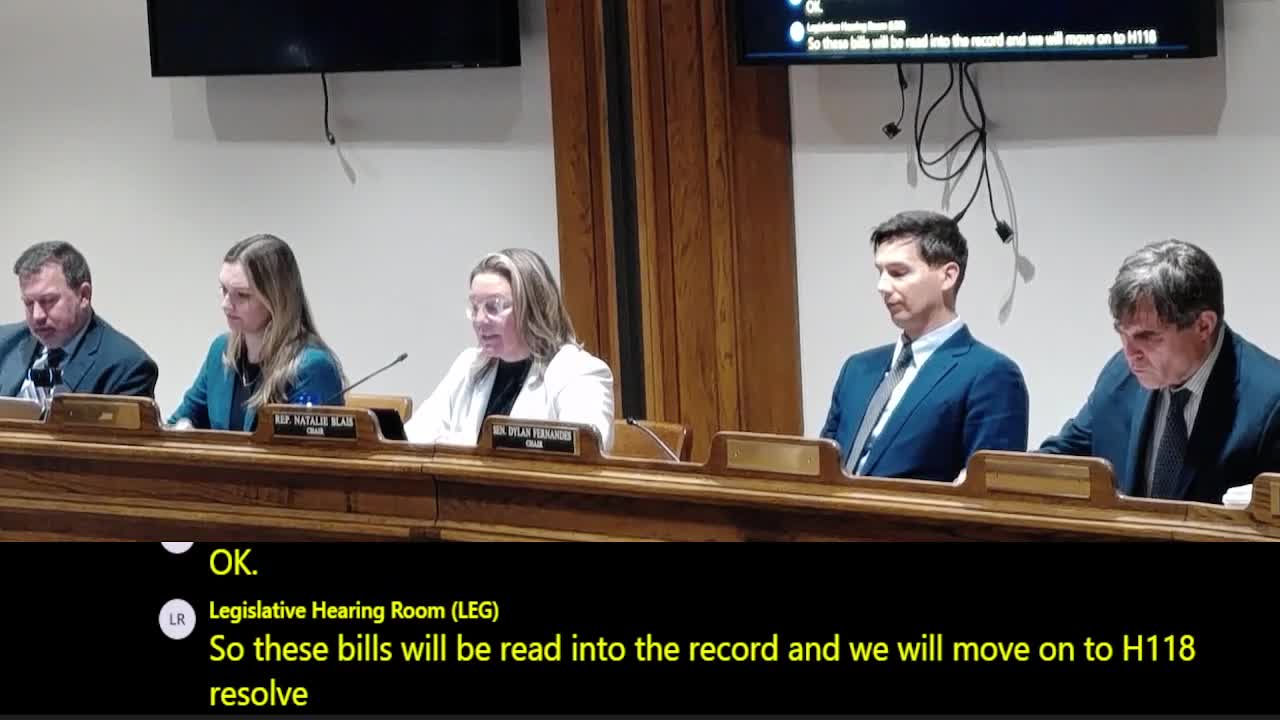
The Joint Committee on Agriculture heard testimony supporting H118, a special commission to investigate the strengths and sustainability of the Commonwealth’s emergency food network. Witnesses said the emergency food system has become a long‑term safety net for many families and that infrastructure, staffing and funding have not kept pace with demand.
Lev Ben Ezra, executive director of the Amherst Survival Center, described his organization as the largest pantry in western Massachusetts and said: "Last year, we provided 1,600,000 meals to 11,500 of our neighbors who are grappling with food insecurity." He said the system was originally conceived as temporary charitable relief but now handles sustained, large‑scale need and relies heavily on volunteer labor, donated food and irregular public support. Ben Ezra recounted volunteer logistics — multiple daily pickups from retailers, 4 weekly food‑bank trips and hundreds of volunteers — to illustrate the system’s operational strain.
Committee members and advocates referenced recent state actions such as restorations to MEFAP and a food security infrastructure grant that provided pandemic‑era resources, and speakers said those steps showed the potential of public investment. Senator Commerford and others asked for more detail about how pantries operate; Ben Ezra outlined food pickup, sorting, storage and meal preparation processes and urged a comprehensive statewide assessment of funding models, workforce development and governance.
Supporters called for a special commission to recommend sustainable funding and administrative arrangements so emergency food services are resilient and integrated into food planning rather than treated solely as charitable stopgaps. The committee accepted testimony and invited additional written materials.