Get Full Government Meeting Transcripts, Videos, & Alerts Forever!
Get email alerts on the Budget And Finance topic
No spam. Unsubscribe anytime.
Finance briefs council on FY26 pressures: health-care costs, capital variability and tighter budgets
Summary
Finance staff outlined FY26 budget pressures including an estimated 8% health-care increase, capital variability, a conservative budgeting approach and planned steps to improve transparency of controllable versus uncontrollable costs. Finance proposed limited operational growth and emphasized the five-year capital plan.
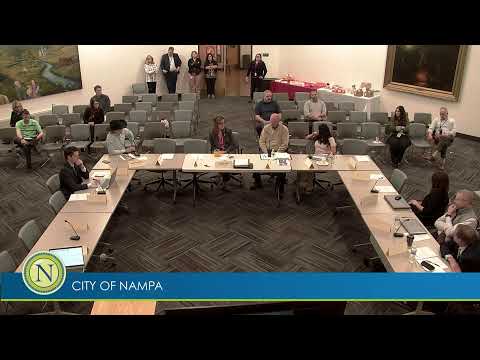
Doug Racine, leading the finance presentation, briefed council on FY26 budget planning, identified uncontrollable cost drivers and described procedural changes to improve long-term capital visibility.
Racine emphasized a conservative approach to the operating budget and described several drivers that will affect FY26. He said the finance operational budget rose modestly from about $1.61 million last year to a proposed $1.672 million for FY26—an increase of roughly $62,000, or about 3.8 percent—and that operational increases in many departments are limited to wage and benefit changes rather than new positions. He called out an approximate 8% projected increase in health-care costs, which he quantified as about $650,000 across the city.
On capital, Racine said capital spending is the area with the most variability and that the city is using a five-year capital work plan to give council visibility into multi-year capital impacts even though legal spending authority is annual. He noted an engineering reorganization that reallocates labor across enterprise funds (streets, water, wastewater) and said that reassignment will cause labor line shifts between funds but not a net increase in overall labor expense.
Racine and staff discussed procurement-card (P-card) usage and controls after council members raised transparency concerns. He said an October report showed roughly $104,000–$105,000 of P-card spending in that month and that finance is working to tighten P-card controls by lowering limits, adding virtual card options for online purchases with approval workflows, and pausing some P-card usage pending system and process changes.
Racine said staff has asked departments for tight operational budgets—last year departments were asked to find a 5% reduction in operational costs; this year the ask is effectively zero growth in operations despite inflationary pressures. He outlined budget schedule milestones: a public town hall is scheduled for June 25 (11:30 a.m.), capital materials will be provided earlier than the full book, and council budget workshops are scheduled for mid-July.
Discussion versus decision: the presentation was informational and aimed at preparing council for FY26 priorities and trade-offs. Council members requested clearer breakout of controllable versus uncontrollable cost increases and earlier visibility into the major drivers of any proposed tax or fee changes.
Ending: Racine closed stressing continued conservative stewardship, the new five-year capital visibility tool and the need to balance tight budgets with service continuity and staffing retention.