Get Full Government Meeting Transcripts, Videos, & Alerts Forever!
Get email alerts on the State Legislation topic
No spam. Unsubscribe anytime.
Montana lawmaker says session ended early; cites new offender registration and ethics rules, tax measures
Summary
Speakers summarized accomplishments and disappointments from the recent Montana legislative session, citing early adjournment (five days early), passage of bills on lifetime registration and supervision of certain offenders, an ethics bill, and some tax-relief measures while larger property tax cuts failed.
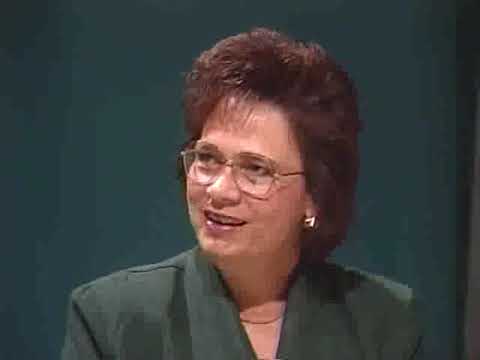
A lawmaker and an interviewer discussed the recent Montana legislative session, which the lawmaker said ended five days early, saved about $250,000 in taxpayer costs and produced several pieces of legislation, including new lifetime registration and supervision provisions for certain offenders and an ethics bill establishing rules for public officials.
In the conversation, the legislator said the session had several accomplishments: a bill to allow lifetime registration and supervision of certain offenders, new ethics rules for legislators and public officials including a process for filing complaints, and measures returning about $25 million in income taxes and offering personal property tax relief for businesses.
“That was a very good thing to pass,” the legislator said of the offender‑registration measure, while noting the governor had not yet signed that bill at the time of the conversation. On ethics reform, the legislator said the new bill provides “real regulations and rules for legislators and public officials to follow as well as a route for individuals to file complaints against public officials for ethical violations.” The legislator also said the ethics bill prohibits spending public dollars on political campaigns.
The legislator expressed disappointment that the session did not pass major property tax relief, citing a proposed $45 million tax cut that failed to gain enough support and saying the inability to cut spending prevented larger rebates. The interview also included comments about perceived lobbying imbalances during the session and the difficulty taxpayers face in mobilizing to lobby from their communities.
The interview captures the speaker’s view of both accomplishments and shortcomings of the session; the transcript records the conversation and the speaker’s characterizations but does not include bill numbers, full text of the measures, or final signature status for all the bills discussed.