Get Full Government Meeting Transcripts, Videos, & Alerts Forever!
Get email alerts on the Education:school Climate topic
No spam. Unsubscribe anytime.
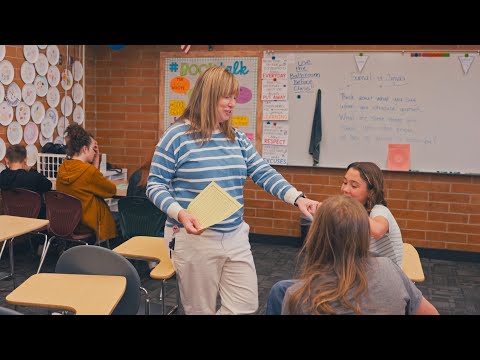
Oak Canyon Junior High credits new homeroom program with stronger student connections
Summary
Oak Canyon Junior High launched a homeroom program in 2022–23 to help students feel known; staff say it has produced schoolwide engagement and student-led community service, but no formal policy change was recorded.
Oak Canyon Junior High Principal Kate Ross said the school introduced a homeroom program in the 2022–23 school year after students told staff they wanted “to feel known” and have a break in the day, and that teachers were assigned roles so “all 1,300 kids at Oak Canyon are known.”
The program, described by Ross and two staff members during a school interview, grew from student surveys and a school vision emphasizing the “6 C’s.” Ross said homeroom is “a response to a student need,” and that the work is intended to support students’ social and emotional needs as well as academic development.
Science teacher Julio Estabedo said homeroom mixes students across grades in some classrooms and can support service projects. “In less than two weeks, we were able to put on a clothing drive, and I think we got over 600 items between socks, coats, shoes, and we donated it all to two different charitable organizations” serving people in Salt Lake, he said. Estabedo said the drive was student-driven, with pupils organizing advertising, collection and distribution.
Tara Lynn Holmes, a professional learning communities coach, described the program’s staffing and organizational supports. “This is a big task for teachers,” Holmes said, adding that homeroom is “not just about covering content. It’s about the whole child,” and that high expectations require matching teacher supports.
Staff described practical details: some homerooms include students from multiple grades, teachers received specific homeroom roles, and school leaders asked classroom teachers to write something they know about each student to help staff learn names and needs. Ross said the approach created a sense of unity among staff and students.
The interview presented the program as a school-level initiative and did not record any formal board action, policy adoption, or district directive during the discussion. Participants described outcomes and ongoing implementation needs — including teacher time and logistical support — but did not announce any formal expansion plan or budget change during the conversation.
School officials did not specify funding sources or whether the homeroom model has been adopted elsewhere in the district. They also did not identify any formal performance metrics beyond staff and student reports of being better connected.