Get Full Government Meeting Transcripts, Videos, & Alerts Forever!
Get email alerts on the Municipal Budget topic
No spam. Unsubscribe anytime.
Portsmouth manager proposes $149.9 million FY26 budget with 15.11 FTE reductions, 39¢ tax-rate increase
Summary
City Manager Karen Conard and Deputy City Manager Nathan Lenny presented a $149,894,940 fiscal 2026 general fund proposal that would reduce 15.11 full‑time equivalents, add a $1.99 million collective‑bargaining contingency and raise the estimated tax rate by 39¢ per $1,000 of assessed value.
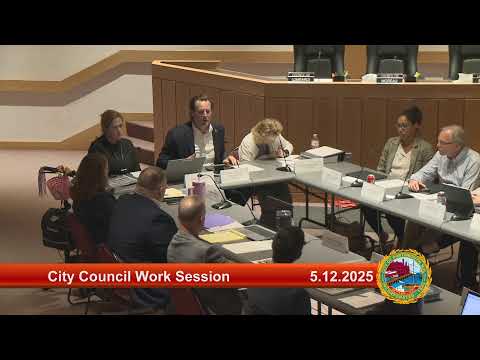
City Manager Karen Conard and Deputy City Manager Nathan Lenny on Monday presented the Portsmouth City Council with a proposed fiscal 2026 general fund budget of $149,894,940, a roughly $5 million increase over FY25 that would raise the estimated tax rate from $11.18 to $11.57 per $1,000 in assessed value.
The proposal, designed to “not negatively impact services provided to residents,” as Conard said, would reduce the city’s workforce by 15.11 full‑time equivalent positions citywide — 10.71 FTEs from the general fund — and includes a $1,990,000 contingency to cover expected costs from negotiating contracts for eight of the city’s 16 unions that expire June 30.
“The proposed budget for FY26 is $149,894,940,” Deputy City Manager Nathan Lenny said. “It’s a $5,000,000 increase and lands at 3.47%.” Lenny told councilors the change translates to an estimated $301.12 per year, or about $25.10 per month, for the median single‑family home valued at $772,100.
Why it matters
Lenny emphasized two legally driven cost drivers that together add roughly $1.4 million to the budget: a projected more‑than‑$100,000 increase in direct assistance provided under state welfare law and roughly $1.3 million in increased school department spending tied to out‑of‑district special education placements directed by individualized education plans (IEPs). Those two items alone account for roughly 1 percentage point of the total proposed increase, Lenny said.
The budget also accommodates reductions in New Hampshire retirement employer contribution rates, the end of American Rescue Plan Act (ARPA) funds that the city has already obligated, and an unexpected Rockingham County tax increase that the county recently announced. The proposal makes body cameras and taser operations a recurring line in the police budget after an initial multi‑year grant, and adds recurring costs for IT replacements and other capital items.
Key details
- Proposed total general fund: $149,894,940; proposed operating increase about 4%. - Estimated tax rate: $11.57 per $1,000 assessed value (up 39¢ from $11.18), based on a median single‑family value of $772,100. - Personnel: net reduction of 15.11 FTEs across the organization; 10.71 FTEs from the general fund; an additional 4.4 FTEs affecting enterprise/special funds to be reviewed at a subsequent session. - Major drivers: approximately $1.3 million in increased out‑of‑district special education tuition; roughly $100,000 increase in direct welfare assistance; $1,990,000 collective‑bargaining contingency for upcoming union negotiations. - Charter departments (fire, police, schools) account for about 63% of the proposed budget; schools account for 44% of the total.
Department impacts and policy context
Lenny reported that salaries and benefits account for about 68% of the overall budget. Dental rates were cited as increasing about 5% for city employees and about 4% for school employees; Lenny also said the New Hampshire Retirement employer contribution rates decreased under the new biennial plan, producing an estimated $259,000 in savings in the proposed budget.
The city manager and deputy manager repeated city fiscal policies included in the budget presentation: net debt service is to remain below 10% of annual appropriations (the proposal projects net debt service at about 7.97%), and capital outlay appropriations have been kept below the city policy cap of 2% of the prior year’s general fund.
What councilors asked and next steps
Councilors asked for additional detail on the county tax projection and on insurance and other cost drivers. The council scheduled further budget work sessions, including enterprise and special revenue funds at the next meeting and a continuation May 28; the formal public hearing on the full budget is set for Monday, May 19. The city does not set final tax rates until fall when it finalizes figures with the New Hampshire Department of Revenue Administration.
Ending
Councilors and the public were told the manager will continue refining department presentations and that staff will provide appendices showing the impacts of an alternative 0% increase. The presentation emphasized holding the non‑mandated parts of the budget tight while highlighting that mandated obligations — especially for special education and state welfare law obligations — are primary drivers of next year’s increase.