Get Full Government Meeting Transcripts, Videos, & Alerts Forever!
Get email alerts on the Hceaa Finances topic
No spam. Unsubscribe anytime.
Ambulance authority reports budget improvement; board and commission debate lines of credit and alternative funding
Summary
HCEAA leadership told commissioners the authority is trending under budget but carries a structural shortfall; the board discussed lines of credit, levy options, fee updates and internal controls and commissioners commended increased oversight.
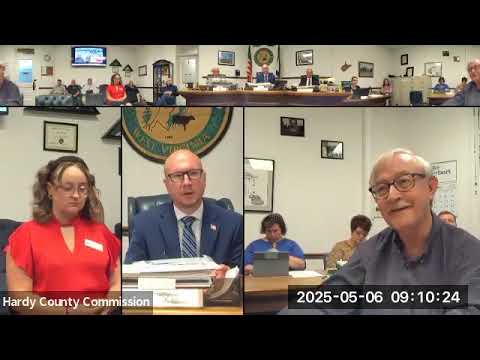
The Hardy County Emergency Ambulance Authority reported improved fiscal performance in recent months but acknowledged an ongoing funding gap that has produced annual shortfalls, authority leaders told the county commission May 6.
Derek Holt, director of the County Ambulance Authority, presented a financial update showing call-volume and revenue patterns and said the authority had reduced salary and wage costs since January and was running below budget in several line items. Holt said the board has been more engaged and provided stronger oversight, which he credited with helping the downward trend in expenses.
Commissioners and HCEAA board members discussed options to address a recurring deficit that Holt said amounted to roughly $220,000 over the past year for the authority’s operations in the county. Commissioners discouraged taking a bank line of credit as a structural solution, saying it could mask the need for long-term changes and expose the county to repayment risk. Instead, participants highlighted alternatives: updating ambulance-fee billing and collection practices, pursuing a levy or higher local fees, exploring impact fees under Senate Bill 530 to charge developers for service impacts and seeking greater county support only after showing clear fiscal controls.
HCEAA board members described improved internal processes — including a new organizational chart and operating procedures — and discussed options such as a line-of-credit only as a short-term cash-management tool, not as a way to sustain structural losses. Commissioners said they preferred transparency and careful oversight if the authority requests further county support.
Holt and commissioners also discussed collections data: while posted charges may be high, contractual write-offs required by Medicare and Medicaid reduce collectible revenue; staff said the authority’s 12-month collection rate after write-offs was approximately 90–91% on allowable amounts, but the total business model still shows large annual write-offs.
What’s next: HCEAA will continue monthly reporting; staff and commissioners will explore fee updates, public outreach, impact-fee feasibility and potential levy options before approving ongoing county financial commitments.