
Oconee school board approves FY26 budget and moves $1.2 million from reserves to capital to lower millage
Get AI-powered insights, summaries, and transcripts
Sign Up Free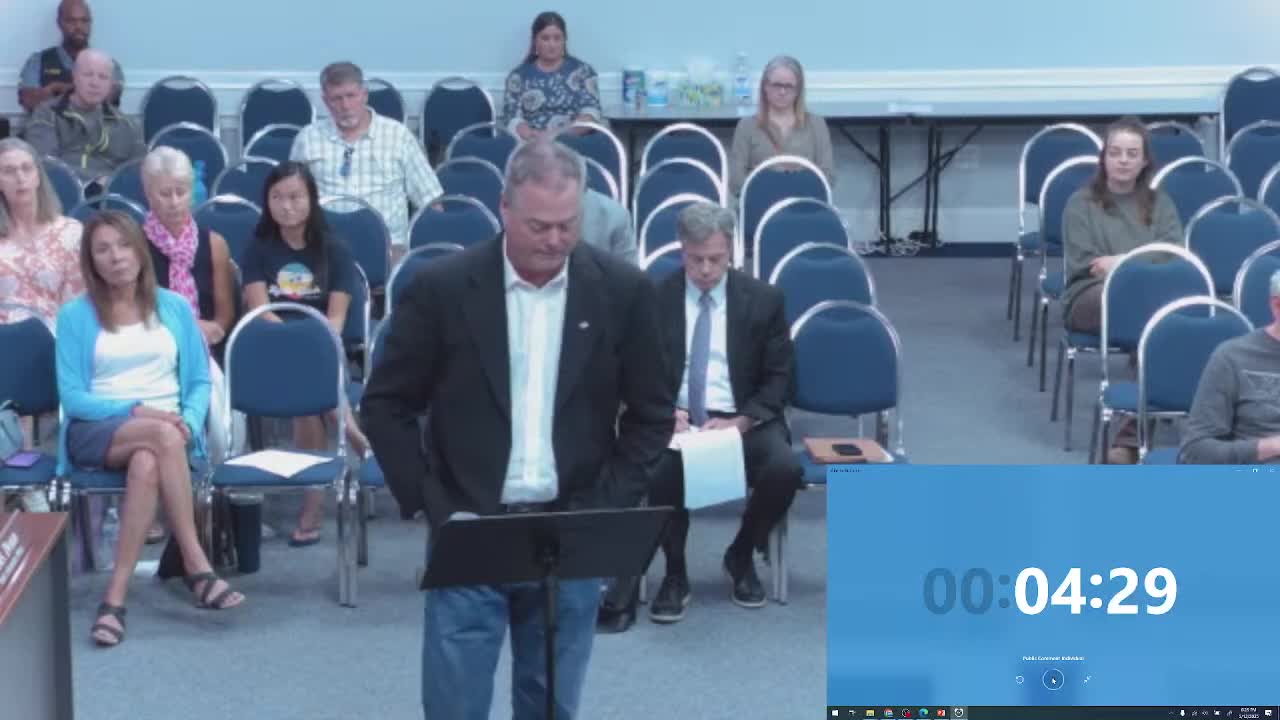
Summary
The board unanimously approved the FY26 general fund budget on second reading and authorized transferring $1.2 million from the district general fund balance to the capital fund to reduce the capital millage rate, after officials and public commenters debated reserves and spending priorities.
The Oconee County School District Board of Education on Monday approved the FY26 general fund budget on second reading and unanimously voted to transfer $1.2 million from the district general fund balance to the capital fund to lower the capital millage rate.
The board approved the budget 5-0 after several public commenters urged fiscal restraint and transparency and after staff and board members discussed revenue uncertainty, fund balance levels and the county council’s request that the district reduce its capital millage. The board voted separately, 5-0, to move $1.2 million from reserves to capital to reduce the capital millage from 30 mills to 28.6 mills as a sign of good faith to the county council.
Chief Financial Officer Mr. Schickling told the board that collections are volatile and that school districts receive county tax collections after the county processes prior‑month receipts. He said district revenue projections historically benefited from “over collections” but cautioned the board not to rely on that pattern in future budgets. Schickling said current collections total about $52.3 million and noted that 90% of district spending is personnel costs.
Several members of the public urged the board to spend reserves rather than raise taxes. Barry Sanders, speaking during public comment, said the district holds roughly $37 million in reserves and asked the board to use a portion to meet operating needs rather than seek additional local revenue. Another public speaker urged the board to prioritize classrooms over administrative increases. Board members responded that the district is not in violation of its reserve policy (a minimum reserve measured as a percent of prior year expenses) and that the recommended transfer will not drop reserves below policy levels.
Board and staff discussion covered several budgeting details: state changes to teacher pay and certification requirements that can raise district costs, a projected 4.5% increase in health care employer contributions, and a 25% employer retirement contribution factor for new salary dollars. The district proposed a 3% raise for classified staff and a roughly 3.5% effective teacher increase consistent with the state's teacher pay change; administrators’ salary schedule was set at a 2.5% increase.
The board asked staff to pursue a capital plan that reflects the transfer and to report back; members said they expected the county council to follow through on commitments discussed in a joint meeting. The FY26 general fund budget passed on second reading by a 5-0 vote.