Get Full Government Meeting Transcripts, Videos, & Alerts Forever!
Get email alerts on the Parking And Transportation topic
No spam. Unsubscribe anytime.
Private vendor pitches automated curbside parking enforcement and pay‑by‑plate pilot; company proposes 30‑day demo on 10 spots
Summary
A private vendor presented solar, camera‑based pay‑by‑plate parking enforcement and curbside meter technology and proposed a 30‑day pilot on 10 representative downtown spots to collect local data.
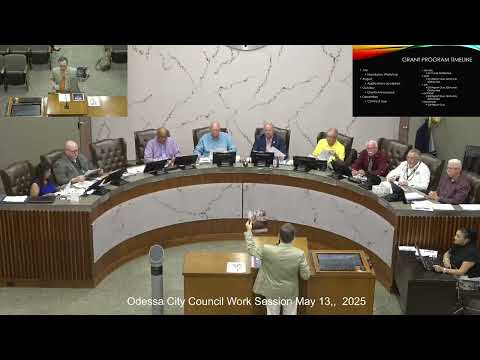
A private vendor presented fixed‑based automated parking enforcement and curbside meter technology to the City Council and proposed a short pilot so the city can collect local data before deciding whether to deploy the system more widely.
The presenter, identifying himself as the company CEO, said the firm operates in 44 states and that its technology is solar powered, uses license‑plate recognition (pay‑by‑plate) and can enforce time limits or paid parking according to rules the city sets. He said the company typically funds installation and takes on the upfront risk.
The company proposed a 30‑day pilot on 10 representative parking spots (not the best or worst spots) to gather baseline compliance and revenue data. "All we're gonna do is collect data... We'll put these in for 30 days," the presenter said. He described a typical pattern the company claims to see elsewhere: initial ticketing for noncompliance, then a compliance rise over roughly two years (from about 50% to about 85%) with fewer tickets as drivers begin to pay.
The vendor said the system allows a range of city policies: differential pricing by time or user group, merchant permits tied to license plates, free or reduced parking for teachers or seniors, and the ability to let drivers "true up" their paid time when they return late. The presenter also discussed lot technology that uses entrance/exit cameras to manage paid lots or annual permits.
On enforcement mechanics the presenter said the system can capture photographic evidence and generate a mailed citation and an evidence packet for each alleged violation. He said some jurisdictions deputize vendors or permit automated approval of citations, but added, "I don't know about Texas" on deputization rules and that citation approval practices vary by state.
Council members asked operational questions about moving paid time between spaces, free periods, and lot conversions; the vendor said cities choose the enforcement rules and pricing and that the company can present detailed analytics after a pilot. No council decision was made at the briefing; staff said the council could consider a pilot if it wishes.