Get Full Government Meeting Transcripts, Videos, & Alerts Forever!
Get email alerts on the Shelter Policy topic
No spam. Unsubscribe anytime.
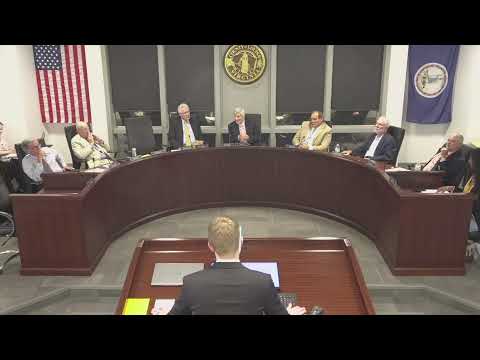
Planning commission continues discussion on emergency vs. homeless shelters; requests legal review and additional work session
Summary
Commissioners debated proposed definitions and regulatory treatment for emergency shelters and homeless shelters, raised liability and operational concerns, and asked staff and legal counsel to return with two definitions and an analysis of county liability; the commission requested another work session before any public hearing.
The Louisa County Planning Commission continued a multi‑month discussion about how the zoning code should treat emergency shelters and homeless shelters and directed staff to return with two clarified definitions and a legal review of county liability.
Commissioner Brooks presented draft language and conditions proposing that homeless shelters be subject to conditional use permits (CUPs) while emergency shelters activated under a declared federal, state or local emergency be treated differently. Brooks said the draft sought to “put the liabilities where the responsibilities are” and noted state code language about emergency duties.
Staff proposed an emergency‑shelter definition drafted for the record: “Emergency shelter means a facility, building or location designated as part of a federal, state or local emergency operation plan for use during a declared disaster or emergency event to provide temporary shelter, safety, and services to displaced individuals or populations. Emergency shelters may be only under the authority of the applicable emergency response agency and may be operated by public, nonprofit, or authorized private entities. Uses unrelated to emergency responses shall not interfere with the facility's primary function when activated.” Miss Buckler read that definition and framed it in the context of existing emergency planning practices.
Commissioners raised several concerns. Some members worried that allowing religious assemblies to operate homeless shelters without CUPs during emergencies could expose the county to liability or undermine coordinated emergency response plans. Commissioner Goodwin and others argued for limiting departures from the emergency operations plan, while others favored giving churches and civic organizations flexibility to offer shelter in acute events.
The commission debated whether to exempt “religious assembly” or to explicitly include civic or nonprofit organizations (civic clubs, hunt clubs, civic organizations) in any emergency‑shelter carve‑out. Commissioners also asked staff to check Department of Emergency Services reporting, inspection and registration requirements for designated emergency shelters.
Outcome: the commission did not adopt an ordinance change at the meeting. Instead members asked staff and legal counsel to (1) draft two distinct definitions — one for emergency shelters (for declared emergencies coordinated under the emergency operations plan) and one for homeless shelters (uses outside declared emergencies) — and (2) research and report on potential county liabilities and implementation details before returning with a revised draft. Commissioners also requested an additional work session to complete the policy review prior to any public hearing.
Ending: the item was left pending; staff will return with revised language and legal guidance at a future work session.