Get Full Government Meeting Transcripts, Videos, & Alerts Forever!
Get email alerts on the Municipal Budget topic
No spam. Unsubscribe anytime.
Kankakee officials present balanced first draft for 2026 budget, flag revenue shifts and new neighborhood spending
Summary
City officials on May 12 presented a first draft of the 2026 budget that projects a roughly $167,000 surplus and a $1 million general-fund capital plan while noting declines in corporate replacement and cannabis excise taxes and proposed new spending for neighborhood stabilization and animal control.
Kankakee City officials on May 12 presented an initial draft of the 2026 budget that shows a projected surplus of about $167,000 and a proposed $1 million self-funded capital program, while flagging several revenue declines and proposed new operating costs.
The budget overview to the City Council and budget committee matters because it sets the revenue and spending framework for fiscal year 2026 and includes proposed new programs — neighborhood stabilization funding and an expanded animal-control contract — that would affect city spending and services.
Comptroller Rogers opened the financial review with a year-end summary for fiscal 2025, reporting that the city “are finally at 100% of the year, the last month of the year,” and that revenues finished close to budget. Rogers said a final corporate replacement tax payment of $229,000, received May 2 and attributed to fiscal 2025, improved the year-end totals but left corporate replacement tax collections about 70% below the amount budgeted for the year.
Rogers reported other revenue details: total top-line tax receipts were about 98.5% of budget; service charges (fees charged by police and fire for services outside the city) came in at roughly $222,000 versus a $154,000 budget; and overall revenues ended the year less than 2% below budget. She said franchise fees, building permits and some other lines are trending downward, while interest and “other” receipts posted gains that may still increase as residual entries are posted.
Mayor (unnamed) presented the draft 2026 factors and walked the committee through anticipated increases and decreases. He said property-tax revenue is expected to rise because of tax-base (EAV) growth from new developments and higher property values, not because of a rate increase. He proposed lowering the corporate replacement tax estimate by $100,000 for 2026 and trimming local use tax estimates by $125,000 based on trend data.
On specialized local revenues, the mayor said the city’s allocation of cannabis excise receipts and locally collected cannabis taxes have fallen short of earlier projections; the city is reducing the cannabis line by about $90,000 for the draft. He also noted an increase in water utility receipts and a decline in telecommunications franchise collections tied to customers cutting cable service.
On the spending side, the draft includes a $500,000 increase to cover contractual salary increases already negotiated or expected in new contracts. The city is budgeting for additional staffing and program costs: a possible grant-accountant position in the comptroller’s office, one to two hires for the Office of Violence Prevention, and a modest increase to animal-control spending to move from a $25,000 county contract to a proposed $35,000 contract. The mayor described the animal-control change as “an easy $10,000 spend for the safety and the ability for the public,” noting that county-provided response would handle calls and pickups under the contract.
Neighborhood stabilization is another new initiative in the draft. The mayor asked the council to consider increasing the program from $150,000 last year to $250,000 next year; that package would include a $100,000 demolition line, $25,000 in homeowner-assistance funds and additional repair money to address abandoned or boarded properties. He said the program could be run initially by himself and the city manager and later moved to dedicated staff if needed.
Other notable draft items: a proposed reduction of general-fund self-funded capital from $1.5 million to $1.0 million (with the mayor saying staff may try to restore part of that), a health-insurance renewal at an 8.8% increase, a 4% contract increase for joint dispatch, and a pass-through for pension charges. The mayor said the draft now shows a modest surplus but cautioned that numbers may move as department heads and finance staff refine line-item detail in coming weeks.
Aldermen asked clarifying questions about planning-department expenditures related to engineering plats and the city’s transition to Tyler software; Comptroller Rogers and the mayor said several large, one-time planning expenses were posted as the planning office rebuilt records and that the expense was not expected to recur annually. Alderman Jones pressed for details about animal-control scope (private-property response, handling of attacks), and the mayor answered that the county contract would respond to loose or allegedly mistreated animals and that police would still respond when public-safety incidents (attacks) occurred.
Committee members discussed the 1% grocery sales-tax option under state rules; the mayor said the tax is currently in effect and the city is likely to adopt a continuation in June so municipalities can keep local receipts administered by the Illinois Department of Revenue.
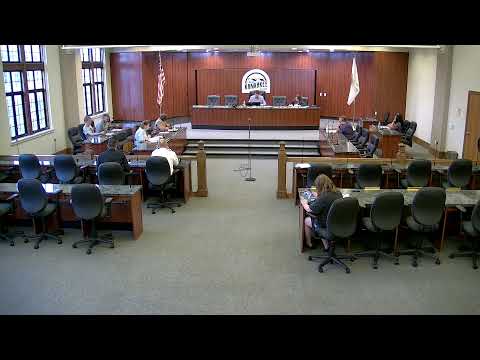
The council asked staff to refine the draft and bring a second, more detailed draft to the June budget meeting. No formal budget ordinance or appropriation was adopted at the May 12 session; the meeting’s formal actions were the approval of April 14 minutes (motion by Alderman Marzak; second by Alderman Malone Marshall; with at least four ayes and two abstentions) and adjournment.
The city will revise line items as department meetings are completed over the next 30 days, and budget staff signaled they will return with a more detailed draft for committee review in June.