Get Full Government Meeting Transcripts, Videos, & Alerts Forever!
Get email alerts on the Budget topic
No spam. Unsubscribe anytime.
Matthews manager proposes 1.3¢ property tax rise, 6% pay plan in $37.6 million FY‑26 recommended budget
Summary
Town Manager Becky Hawk presented a $37.6 million FY‑26 recommended budget that includes a 1.3¢ increase in the property tax rate to repay $11 million in general‑obligation bonds, a previously approved stormwater fee increase averaging $2.12 per month, and a 6% total pay increase (3% COLA plus 3% merit) for staff.
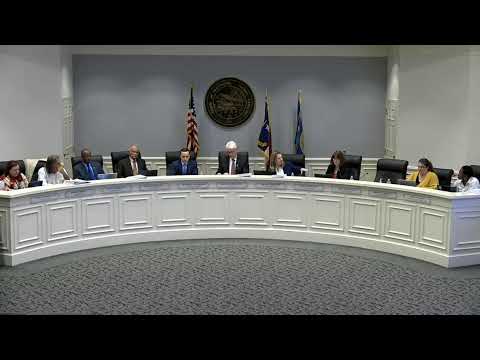
Town Manager Becky Hawk presented the manager’s recommended budget for fiscal year 2026 at the Matthews Board of Commissioners’ special meeting on May 12, laying out a plan that would raise the property tax rate 1.3¢ to finance debt service on $11,000,000 in general‑obligation bonds and that prioritizes employee compensation and maintaining services.
Hawk said the proposed tax change is “specifically to repay the debt service on the $11,000,000 in general obligation bonds that was issued earlier this year, predominantly for park projects.” She added that the recommendation includes a 3% cost‑of‑living adjustment and a separate 3% merit pool for staff, describing that as the town’s primary priority for the coming year.
The nut graf: The package would raise the town’s recommended FY‑26 budget from roughly $36.0 million in FY‑25 to about $37.6 million in FY‑26. The tax increase is targeted to cover bond debt service; other revenue changes include a previously approved stormwater fee increase and stronger‑than‑expected sales taxes. The manager emphasized the budget attempts to hold the line on other spending while preserving market‑competitive pay and basic capital needs.
Most important budget elements
- Property taxes and bonds: The recommended property tax rate would rise by 1.3¢ from 26.65¢ to 27.95¢ per $100 of valuation; Hawk said that increase is to repay the debt service on the $11,000,000 general‑obligation bond sold earlier this year. Using the town’s averages, Hawk showed an owner of a home with a taxable value near the town average of $429,000 would see an annual tax increase of about $55.81 (approximately $4.65 per month).
- Employee compensation: The budget includes a 3% COLA and a separate 3% merit pool, a combined budgeted cost of approximately $1,100,000 all‑in for salaries and fringe benefits. Hawk told the board the town must be competitive in recruitment and retention to avoid losing employees to neighboring employers.
- Stormwater fee: The board previously approved a stormwater fee increase; Hawk said Matthews homeowners will see average increases of about $2.12 per month. The stormwater program in FY‑26 is being moved into its own enterprise fund so revenues and expenditures are easier to follow.
- Major drivers of expense growth: Hawk identified health insurance (an estimated $172,000 increase, with state plan rates set in the fall), mandated increases in state retirement contributions (about $123,000 projected), electricity and street‑lighting costs (electricity and Duke Energy related increases), and a CPI escalator in the solid‑waste contract (an estimated $141,000) as significant non‑discretionary pressures on the budget.
- Capital and vehicle replacements: Capital improvements are modestly increased — the manager proposes a $1,000,000 capital improvements program (CIP) for FY‑26 and $729,000 in capital outlay items (smaller one‑time equipment purchases), continuing a multiyear program for police vehicle replacement and funding for public works equipment. Major lines highlighted included elevator modernization, sidewalk improvements (an estimated $3.5 million program over multiple years to address ADA/noncompliant sidewalks), and stormwater equipment financed over multiple years inside the stormwater fund.
- Public safety and facilities: Fire and EMS net operational expenses declined compared with FY‑25 because the Idlewild Volunteer Fire Department contract concluded when Station 3 opened. Police training budgets were increased to support professional development; the budget also includes funding to open and operate Station 3 and modest increases to facility maintenance.
- Tourism and events: The tourism fund is projected to be just north of $2.1 million next year; the recommended budget moves some event overtime for Matthews Alive into a contingency so the board can decide whether to continue funding overtime once discussions with Matthews Alive conclude. Tourism capital includes partial funding for pottery site development and continuation of the Downtown Loop/Tank Town Road project banked until the town has cash to proceed.
Board items and other changes
- Board compensation and technology allowance: The recommended budget proposes a 3% COLA for board salaries (budgeted to start July 1). The town manager said the technology reimbursement policy (up to $3,600 per term per commissioner) remains in policy; staff reduced the budgeted line to better reflect historical utilization while preserving the full reimbursement policy. Hawk told the board the town maintains records of reimbursement requests by fiscal year and term and can provide that spreadsheet on request.
- Budget presentation changes: Hawk said staff rearranged capital outlay from departmental budgets into a single list to make multi‑year comparisons easier and to distinguish one‑time capital purchases from ongoing operations.
Board discussion and next steps
Commissioners pressed staff for numbers and options. Several asked how the town might avoid a tax increase; Hawk and finance staff explained that using fund balance to cover ongoing debt service would be a poor fiscal practice because debt service is recurring and voters approved the bond program through the referendum, creating a long‑term repayment obligation. Hawk said staff can prepare a version of the budget without a tax increase if the board directs; she cautioned that removing the $909,000 in debt service from ongoing revenue would require drastic cuts to operations and capital.
Hawk also noted that the bond proceeds are tracked in a separate capital project fund, per statute; she sought board permission to create the fund (see separate agenda action) so the town’s finance department could account for issuance proceeds and spend down project allocations as projects proceed.
What remains unsettled
The board did not adopt the budget at the May 12 meeting; managers said there will be multiple follow‑up budget sessions where commissioners can ask for line‑by‑line reviews and alternative tax scenarios. Hawk said staff will provide more detailed backup on pension, health‑insurance scenarios, and options for using fund balance if commissioners want to explore alternatives to the proposed tax increase.
Ending
The recommended FY‑26 budget prioritizes staff pay and debt service for projects approved by voters, while keeping most operations flat and modestly boosting capital outlays. The board signaled it will scrutinize individual lines in future budget sessions and asked staff to prepare supplemental scenarios on tax and fund balance options.