Get Full Government Meeting Transcripts, Videos, & Alerts Forever!
Get email alerts on the Zoning Housing topic
No spam. Unsubscribe anytime.
Committee advances A-2 zoning changes to allow smaller apartments and align standards with other multifamily districts
Summary
The committee voted to pass first reading an ordinance amending A-2 apartment zoning to remove a minimum unit square-footage requirement and to correct zoning-table typographical errors, aiming to permit studios and smaller units under the Massachusetts building code.
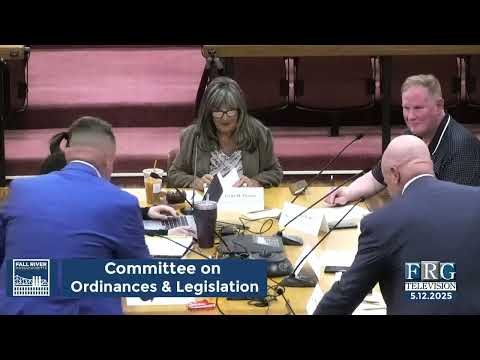
The Ordinances and Legislation Committee voted to pass through first reading an amendment to the city zoning ordinance that removes a unique minimum-square-foot requirement for A-2 apartment units and aligns A-2 dimensional standards with other multifamily districts.
Dan Haggia, director of engineering and planning, told the committee the proposed ordinance would “reduce the requirements of the A-2 zoning district as we have it, to keep it in line with our GBL and multifamily housing districts,” and eliminate a provision that set a minimum square footage and required a specific room count for apartments in the A-2 district.
Haggia said the current language effectively blocks studios and smaller one-bedroom units. “So if you want to build a 5 99 square foot studio apartment, which we have a need for that type of housing, correct? We're precluded from doing that,” he said, adding the proposal defers to the Massachusetts building code for habitability standards.
Two clerical amendments were read into the record: striking a mistaken “6,000” and inserting “600” in Section 86-148A, and removing a confusing zone-table label that read “6 or less units / 20 or greater units” in Section 86.35 Attachment 1. A motion to amend and to pass first reading as amended carried on a voice vote.
Haggia said the changes would also reduce frontage and setback requirements to match comparable districts while lowering maximum allowed heights from 70 feet to 45 feet in areas where the text previously allowed an outsize height. He emphasized that parking requirements and lot-coverage rules remain unchanged and that developers seeking parking relief would still need zoning relief through the Zoning Board of Appeals.
Committee members noted the ordinance affects neighborhoods identified in the packet — including Pine Street, Linden, O'Grady, Bank, Franklin, Lincoln Avenue and other areas within the A-2 district — and said the change aims to increase housing options and reduce zoning-related obstacles to smaller, lower-cost units.
The committee passed the amendment through first reading and recorded an affirmative voice vote. The ordinance will return for subsequent readings as required by local procedure.