Get Full Government Meeting Transcripts, Videos, & Alerts Forever!
Get email alerts on the Immigration Workforce Support topic
No spam. Unsubscribe anytime.
House approves funding to support Maine Multicultural Center after debate over priorities and workforce impact
Summary
The Maine House accepted a committee—s majority report as amended and advanced a bill to continue support for the Maine Multicultural Center. Debate focused on a roughly $190,000 annual allocation, the center's workforce contributions, and fiscal priorities for veterans and seniors.
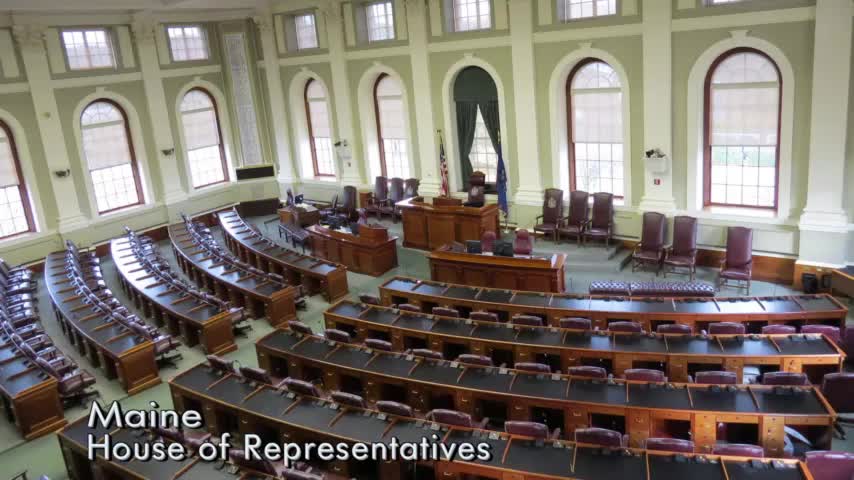
The Maine House on May 7 voted to accept a committee report as amended and move a bill to continue state support for the Maine Multicultural Center, a nonprofit that helps refugees, asylum seekers and migrant workers with employment and integration services.
Opponents said the allocation, which one member characterized as "a hundred and 90,000 of taxpayer money annually," diverted limited resources from long-standing obligations to veterans, seniors and others. Supporters described the center—s work as workforce development, pointing to the number of clients who are working, the local businesses that employ them and examples of families that have started businesses.
Representative Lyman of Livermore Falls said the allocation was "fiscally irresponsible" at a time of constrained state finances and repeatedly questioned prioritization of funds for refugees over long-term residents. In contrast, Representative Murphy (Scarborough) called it a "workforce bill," saying volunteers were seeking modest paid office support and reporting that the center was currently working with 211 individuals, including 41 families, and that "80% of everyone of working age, age 24 to 65, is working right now." Representative Faircloth of Bangor said the center contributed to economic development in Penobscot County and pointed to an example of a family that had learned English and was succeeding in school.
The House accepted the majority ought-to-pass-as-amended report by a roll-call vote of 73 in the affirmative and 65 in the negative; the measure then proceeded to be engrossed and transmitted to the Senate.
Supporters said investing in the center fills immediate workforce needs and helps retain residents in regions with slow population growth. Detractors argued the allocation should be weighed against other pressing state priorities and that the Legislature must exercise fiscal restraint.
The record shows members discussed program caseloads, employment rates among clients, and the center—s volunteer base seeking modest paid support; the transcript did not specify a precise statewide budget impact beyond the cited annual figure.