Get Full Government Meeting Transcripts, Videos, & Alerts Forever!
Get email alerts on the School Libraries topic
No spam. Unsubscribe anytime.
Holmen libraries present three-year long-range plan; staff highlight curriculum alignment and rising library impact studies
Summary
School librarians reviewed a three‑year long-range Library/Media Center plan required by DPI, reporting progress on aligning K–12 standards, expanding professional development, and increasing library visibility across buildings; presenters cited research tying full‑time librarians to improved academic outcomes.
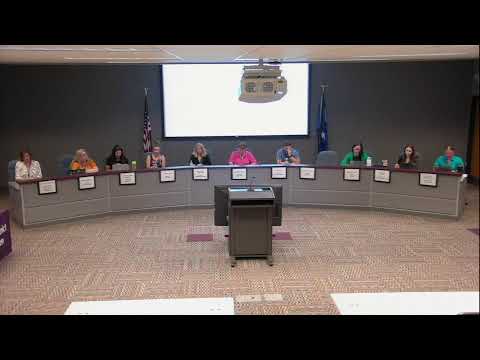
Library staff presented the district's multi-year long-range Library/Media Center (LMC) plan and described actions this year on each goal: aligning curriculum to K–12 information and technology standards, increasing staff professional development, and raising the visibility of library resources in classroom instruction.
Presenters and context: Jackie Pankhurst, LMC director at the middle school, and Stacy Eskelson, a district library teacher, told the board Wisconsin requires districts to have a long-range library plan on file with the Wisconsin Department of Public Instruction. "All school districts in Wisconsin are required to have a long range library plan on file with DPI," Pankhurst said.
Accomplishments and data: staff reported the district aligned current curriculum to Wisconsin information and technology literacy standards (noting the standards were under review), piloted virtual author visits ('Book Break'), expanded makerspace materials and social-emotional learning (SEL) book collections, and kept full-time librarian and library aide staffing at each building. Presenters cited studies and state data showing schools with a full-time, qualified librarian tend to have higher scores not only in reading but also in writing and math and higher graduation rates.
Building highlights: the high school library increased flexible study-hall access with a virtual pass system and hosted student clubs and maker-space activities; middle and elementary libraries ran digital projects and community events (breakfasts and author visits). Several buildings reported thousands of student views of the Book Break virtual author program and multi‑thousand circulation numbers in elementary libraries.
Next steps: staff plan to revisit alignment once Wisconsin finalizes updated standards, expand targeted professional development, and continue partnerships with public libraries for summer programming. The item was presented for information and will not appear on the consent agenda.