
Kenilworth planning board finds council ordinance allowing houses of worship in commercial zone consistent with master plan
Get AI-powered insights, summaries, and transcripts
Subscribe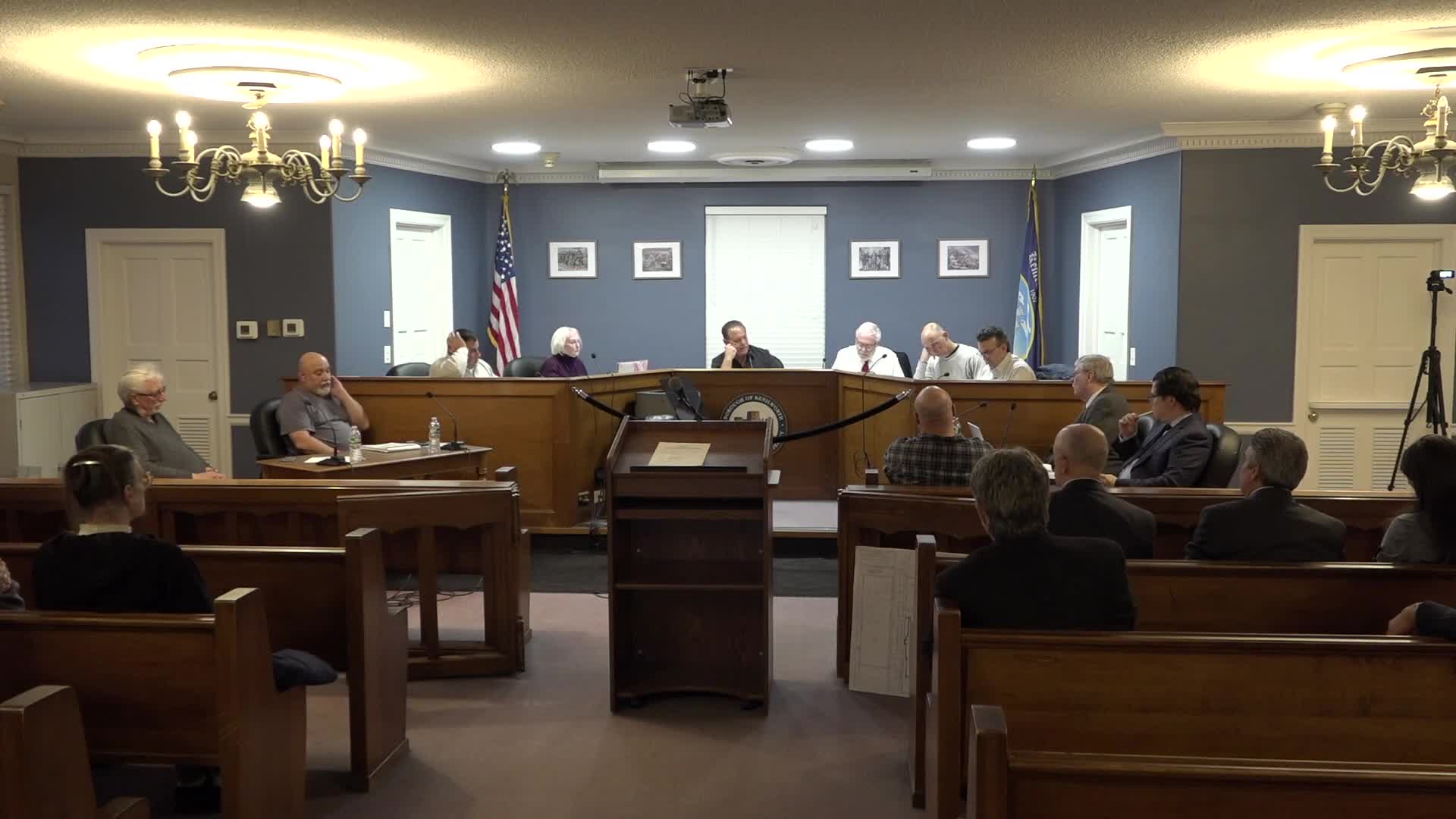
Summary
The Kenilworth Planning Board voted to deem a Borough Council land-use ordinance consistent with the borough master plan after a staff overview noted the change would allow new houses of worship in the C (commercial) zoning district but would not affect existing houses of worship in the community-serving district.
The Kenilworth Planning Board voted unanimously March 13 to find a Borough Council land-use ordinance consistent with the borough master plan, clearing the ordinance to return to council with the board’s formal recommendation.
Kevin O’Brien, the board planner, told members the board’s role was to review ordinances that have passed council on first reading and determine whether the proposed language is consistent with the master plan. “The board has the responsibility to look at all proposed land use ordinances that are drafted by the council passed on first reading,” O’Brien said during his overview.
The ordinance would explicitly allow houses of worship in the C (commercial) district along the boulevard; under current rules, houses of worship are limited to the community-serving district. O’Brien said the change was intended to provide a zoning vehicle for future expansion but would not affect the location or status of existing houses of worship located in the community-serving district. “It has no effect on the existing ones whatsoever,” he said.
Board members asked no substantive questions and moved quickly to a roll-call vote after a motion by Planning Board member John Grimaldi and a second by another member. The roll call recorded unanimous affirmative votes by the members present (responses recorded as “Yes” by the clerk). The board will send its consistency finding to the Borough Council as its advisory recommendation.
The board’s action is advisory: final enactment of the ordinance rests with the Borough Council. The planning board’s decision triggers the standard communication back to council required under the Municipal Land Use Law.