Get Full Government Meeting Transcripts, Videos, & Alerts Forever!
Get email alerts on the Judicial topic
No spam. Unsubscribe anytime.
Tennessee appellate panel hears dispute over new scientific evidence, timeliness and procedural route in Mays appeals
Summary
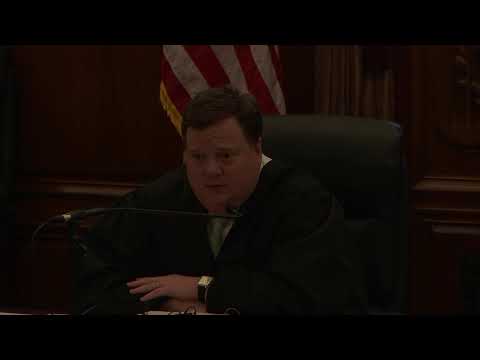
An appellate panel heard arguments in the appeals of Russell and Kaye Mays over whether post‑conviction “new scientific evidence” shows they are actually innocent, whether Kaye’s petition is timely, and whether Russell's appeal proceeds as of right or by discretionary review.
An appellate panel in Tennessee heard oral argument over whether newly presented scientific opinions showing the infant victim’s injuries were not caused by abuse entitle Russell Mays and Kaye Mays to post‑conviction relief, and whether the appeal of Russell Mays should proceed as an appeal of right rather than under the court’s discretionary review rule.
The procedural question animated much of the argument. Jason Gishner, attorney for appellant Russell Mays, told the court: "Russell Mays has been locked up for more than 2 decades for a crime he didn't commit." Gishner argued the post‑conviction court granted a hearing on a colorable claim under the cited statute, held a two‑day evidentiary (bifurcated) hearing, then denied substantive relief on the merits; under those facts, he said, the appeal should proceed under Rule 3 as an appeal of right with de novo review rather than under Rule 28’s discretionary standard.
The appellants also pressed the substantive claim. Melissa Dix, counsel for appellant Kaye Mays, said seven experts testified at the post‑conviction hearing and "there is no evidence of abuse or inflicted trauma in this case," arguing those unanimous expert opinions constitute new scientific evidence warranting relief. Dix said those experts relied on scientific studies and changed clinical understanding since the original trial, including work cited from 2017, 2021 and 2023 that, she said, identify alternative causes for the triad of symptoms historically tied to a shaken baby diagnosis.
State counsel, Nick Bolduc, told the panel the trial judge — Judge Dozier — "examined all of the evidence" across prior proceedings and denied relief because the cumulative record did not show actual innocence by the required standard. Bolduc argued the post‑conviction order directed Russell to seek the remedy available for denial of a motion to reopen and therefore the discretionary standard applies. He opposed remanding for further fact‑finding and said a new hearing would largely produce another "battle of the experts."
A contested factual development drew repeated attention: an affidavit from Dr. Levy, the medical examiner who testified at the original trial, in which he said he no longer stands by certain trial testimony, including an opinion that there was a broken clavicle. Appellate judges asked whether that recantation required remand for live testimony so the trial court could evaluate it; appellants asked the panel either to reverse or to stay and remand so the affidavit could be tested. The state opposed remand, saying the trial court had already considered the entire record and had ample basis to deny relief.
Panel members pressed both sides on limits of fact review. One judge asked whether the court can "look back at the record from the original trial" when evaluating new experts; another asked whether a trial court may discount new, unopposed expert testimony simply because it was not subject to cross‑examination at the post‑conviction hearing. Gishner said the trial court erred by discounting the new scientific evidence for that reason, and he cited Porterfield, Abdul Rahman, Howell, Perry and other appellate precedents from the briefing to urge that the procedural posture should allow de novo review.
Kaye Mays’s timeliness was also central. Dix told the panel Kaye proceeded under the statutory exception for petitions based on new scientific evidence and that her petition therefore was not time‑barred despite being filed after the general one‑year statute of limitations. The state countered that the post‑conviction court found Kaye had not carried the burden and therefore her petition remained untimely under the statute as the court applied it.
No decision was issued from the bench at argument. Appellants asked the panel to reverse the trial court’s denial of substantive relief or, alternatively, to stay the appeals and remand for further proceedings to test the medical examiner’s affidavit and other evidence. The state asked the panel to affirm the post‑conviction court’s rulings and denied any need for a remand.
The panel deferred immediate rulings on motions to remand and to continue argument; the court took the matters under advisement. The outcome will determine (1) whether the appellate court reviews the post‑conviction denial de novo or under an abuse‑of‑discretion standard, (2) whether the newly submitted scientific evidence and Dr. Levy’s affidavit change the legal view of innocence in these cases, and (3) whether Kaye Mays’s petition overcomes the statute of limitations under the cited statutory exception.
If the appellate panel concludes the post‑conviction hearing produced sufficient new scientific evidence and that the trial court misapplied the law in discounting it, the court could direct further proceedings or grant relief; if the panel accepts the state’s position that the trial court properly weighed the cumulative record, the denials will be affirmed. The court did not announce a timetable for opinion issuance by the end of argument.