Get Full Government Meeting Transcripts, Videos, & Alerts Forever!
Get email alerts on the Wind Energy Public Engagement topic
No spam. Unsubscribe anytime.
Des Moines County schedules evening wind-energy work session; supervisors debate how to handle public correspondence
Summary
Supervisors agreed to hold an evening work session on wind energy to allow more public participation and discussed how county emails, texts and other correspondence should be handled under Iowa open-records rules.
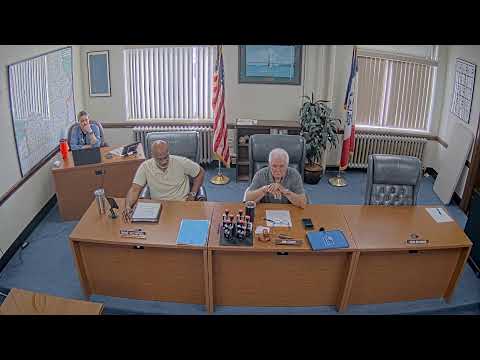
The Des Moines County Board of Supervisors agreed May 13 to schedule an evening work session on wind energy so more residents can attend, and during the meeting engaged in an extended discussion about public correspondence, open-records obligations and how the county should handle emails and texts it receives on the topic.
Supervisor Paul (first name not provided) suggested an evening meeting to allow greater public attendance; the board asked staff to check courtroom availability and to publish the session on next week’s agenda and social media. The board discussed holding the session Tuesday of next week at about 5:30 p.m.; staff were directed to confirm room availability and post the time and location.
The nut graf: the board moved from preliminary outreach and information-gathering into planning public engagement while also debating transparency: whether emails and other communications received by supervisors are automatically public records and how to balance transparency with protection for individuals who request anonymity.
Public commenters and board members raised questions about what constitutes “correspondence.” A resident asked whether the work session would allow public interaction; a supervisor clarified it would be a work session and not a formal interactive hearing. The county attorney and staff then outlined how Iowa open-records law and the county’s discretion apply: some communications received on county-funded email servers are public record under Iowa Code chapter 22, but certain personal information can be redacted and there is discretion where disclosure would discourage private communications (for example, crime tips).
The board referenced guidance from Erica Equin, executive director of the Iowa Public Information Board, who told supervisors that correspondence is public under chapter 22 but that personal information can be redacted. County attorneys said the office will consult the Public Information Board on specific requests and review records before release. Supervisors agreed to be more mindful in future: when citizens email or text supervisors, staff will ask senders whether they want their correspondence published as part of the public record.
Separately, supervisors discussed the county comprehensive plan’s age — adopted in 1997 — and noted that updating the plan is an option but would be a substantial project. The board reiterated that any amendment to county ordinances (including wind-related rules) would require additional public hearings if the board moves to amend the ordinance following the work session.
The decision items from May 13 were directional: schedule the evening work session, have staff publicize it, confirm room capacity and ask correspondents whether they consent to publication. No ordinance changes or votes on wind permits occurred at the meeting.