Get Full Government Meeting Transcripts, Videos, & Alerts Forever!
Get email alerts on the Nuisance Property Cleanup topic
No spam. Unsubscribe anytime.
Marshall County Council OKs $65,000 to Boost Property‑cleanup Fund
Summary
After extended debate about liens, contractor availability and recurring nuisance properties, the Marshall County Council voted unanimously to add $65,000 to the planning commission's property‑cleanup fund, bringing the year’s estimated total to about $80,000.
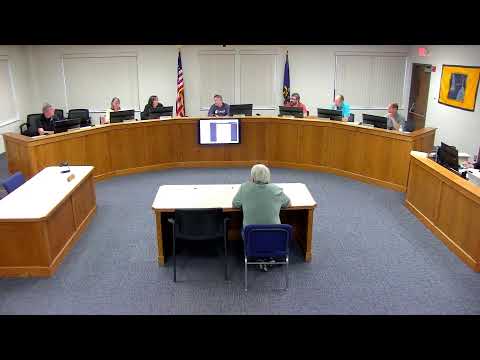
Marshall County Council voted unanimously May 13 to add $65,000 to a planning commission fund used to clean up blighted properties, after staff described multiple pending court judgments and an estimated $80,000 in needed work for this year.
The council’s action follows a presentation by Stan Klotz, who said he was “here on behalf of the planning commission,” and by Nicholas Witwer, who introduced himself as “the director of planning for Marshall County.” Klotz told the council, “It takes money to clean up these properties,” and asked for guidance on how far the county should go when owners do not pay for removal of vehicles, debris and other hazards.
Why it matters: county planning staff described several properties with long histories of code violations and accruing fines. One case on Plymouth Ocean Trail dates to 2019, Witwer said, and the county is now pursuing a contractor bid after obtaining a court judgment. Witwer estimated that the currently active cases would cost about $18,000–$19,000 each; adding other properties the department expects to pursue would push this year’s total near $80,000 (including an appropriation already in the packet).
During discussion, staff and councilors reviewed enforcement options and limits. Counsel said the county typically places a lien on the property after paying for cleanup; liens may have to be refiled if the county does not recover costs — one attorney noted liens can “drop off after 10 years.” Witwer said bids now include draft language to require contractors to disclose whether they are scrapping metal recovered from sites so the county can try to recoup some costs.
Council members pressed on priorities and practicality. Several said they supported picking “the worst of the worst” properties if funds are limited. The council also discussed referring some situations to the health department when problems involve sanitation or occupant safety; Witwer said abatement of human health hazards is a separate process that can involve the sheriff and a faster response.
Formal action: Councilman Brandon moved and Councilwoman June seconded a motion to support an additional $65,000 for the planning commission’s property‑cleanup fund; the motion carried unanimously. Klotz and Witwer said the $65,000 is in addition to a $15,000 appropriation already in the packet, yielding about $80,000 of cleanup resources for the year if all estimates hold.
Next steps and constraints: staff said they will return with more detailed figures on the individual properties they plan to pursue and with bid-ready language about recovered scrap. They also warned that contractor availability is limited and that the county’s ability to recover costs depends on title status, sales, or foreclosure/foreclosure‑of‑liens decisions.
The council framed the vote as targeted spending to enforce the county’s planning code and prevent repeat nuisance properties from eroding neighborhood quality.