Get Full Government Meeting Transcripts, Videos, & Alerts Forever!
Get email alerts on the Energy Aggregation topic
No spam. Unsubscribe anytime.
Plain City Council hears NOPEC briefing on electric and gas aggregation, reviews ballot timetable
Summary
At its May 12 meeting the Plain City Council heard a presentation from NOPEC about local opt‑out aggregation for electricity and natural gas, including potential savings, deadlines for placing the measure on the ballot and next steps for staff outreach and research.
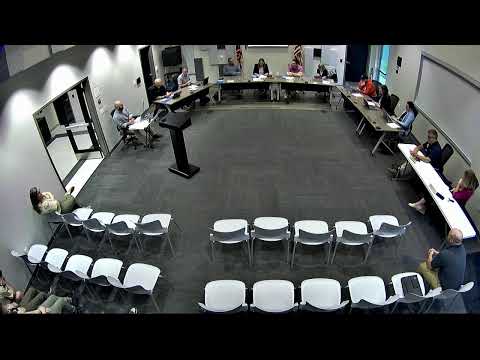
Plain City Council members on May 12 heard a presentation from a Northeast Ohio Public Energy Council (NOPEC) representative on how an opt‑out electric and gas aggregation program would work and what it could mean for residents if council places the measure on the November ballot.
NOPEC told the council aggregation bundles residential accounts so suppliers can offer lower generation rates than many individual shoppers can obtain. "If you're paying any more than 7¢ on your electric, and even that's high, ... you need to call that supplier and figure out a new plan," the NOPEC representative said, urging residents to review current bills and noting an Aug. 6 filing deadline to put an aggregation question on the November ballot.
The presentation explained that aggregation affects only the supply (generation) portion of utility bills; distribution and meter services remain with the local utility company. NOPEC described the program as an opt‑out plan: all eligible accounts would be included unless individual customers decline during the required opt‑out period. The representative said the typical opt‑out window is 21 days and that utilities send a final notice giving customers a short additional period (commonly seven days) to cancel once enrollment is about to occur.
NOPEC listed several potential benefits: bulk purchasing that can lower generation rates, multiple product options (including renewable products), no early cancellation fees, and member benefits such as grant dollars for community energy projects and preferred pricing for municipal facilities. The council was also told NOPEC negotiates contract terms and conducts supplier RFPs on behalf of its member communities.
Council members asked about differences among aggregation, joint purchasing through brokers and individual shopping; the NOPEC representative said brokers add fees to the per‑kilowatt‑hour charge while a council of governments like NOPEC issues periodic competitive bids and can provide ongoing hedging and daily market monitoring. The presenter also warned of near‑term upward pressure on generation prices tied to capacity market results and said customers should expect a rate increase that takes effect June 1; NOPEC said its current offer for program participants was about 8.9¢ per kilowatt‑hour on the generation component, compared with projected utility generation rates in the 10¢ range after the June increase.
Council direction and next steps: council members agreed to add the matter to the June 4 discussion agenda and asked staff to research local implications and outreach options, including whether Plain City would join NOPEC before or after a successful ballot question. The NOPEC representative reminded the council that placing aggregation on the ballot gives the village the authority to form an opt‑out program but does not obligate the village to implement it if voters approve.
The presentation and Q&A lasted through the remainder of the evening's discussion block; councilmembers asked detailed questions about enrollment, exemptions for customers already under private supplier contracts or on income‑based payment plans, and the expected phone and mail volume during the opt‑out period. NOPEC recommended sending resident calls to its toll‑free call center during the opt‑out process.
No formal council motion to place aggregation on the ballot was made at the May 12 meeting; the council voted to add the topic to the June 4 agenda for further research and discussion.