Get Full Government Meeting Transcripts, Videos, & Alerts Forever!
Get email alerts on the Youth Behavioral Health Restraint Seclusion topic
No spam. Unsubscribe anytime.
Oregon hearing on HB 3835 splits advocates over restraints, seclusion and out-of-state placements
Summary
Supporters told the House Committee on Rules that clarifying definitions and limited out-of-state placements are needed to restore capacity for youth behavioral health; opponents, including parents and disability advocates, said the bill would weaken abuse protections and risk sending children to poorly supervised out‑of‑state facilities.
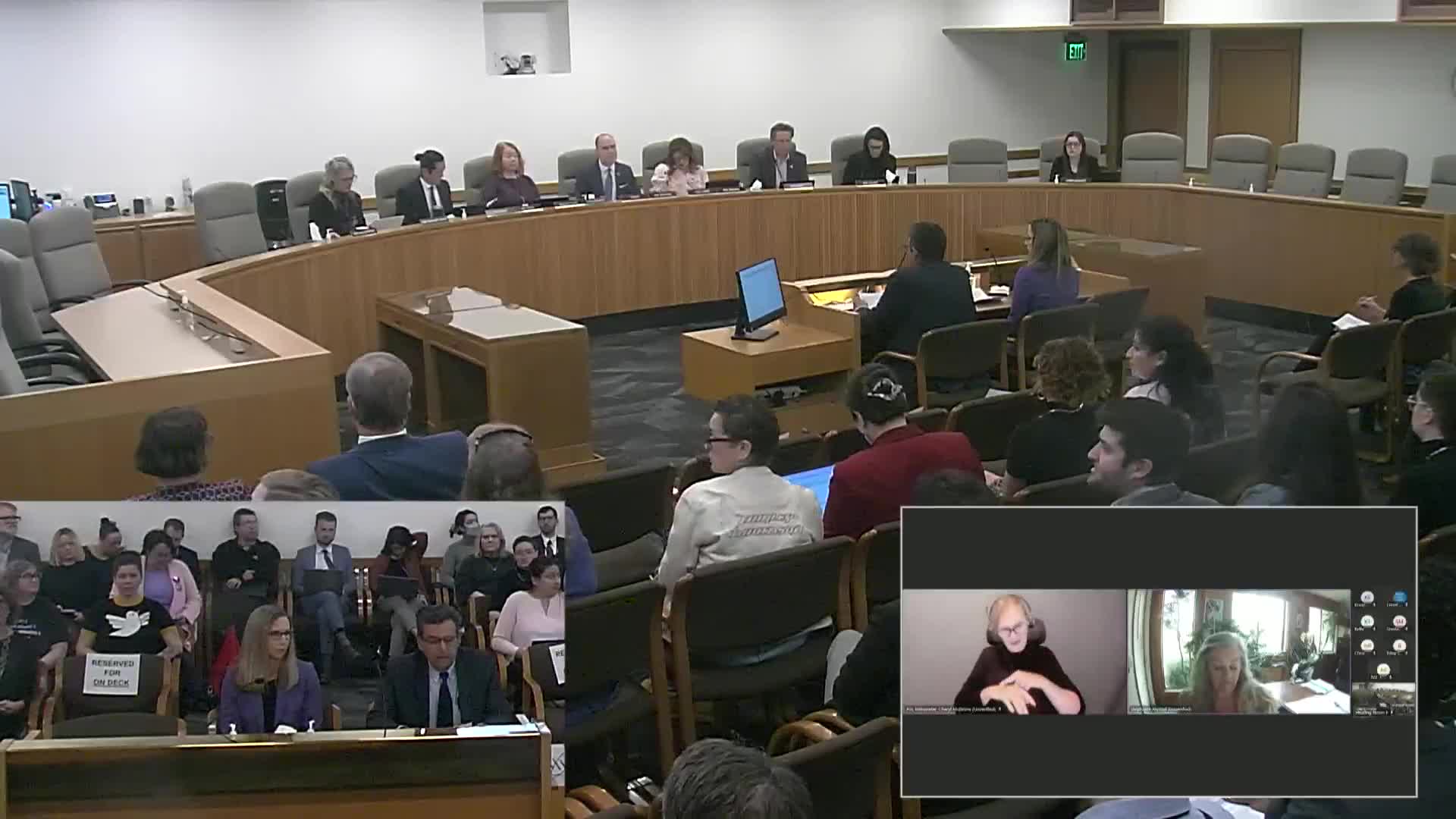
The House Committee on Rules held a public hearing May 12 on House Bill 3835, an omnibus measure that would change how Oregon defines and investigates the use of restraint and seclusion on children in care and create a process for certain out‑of‑state placements. The committee heard more than three hours of testimony from state leaders, clinicians, providers, parents and disability advocates; committee staff said more than 40 people had signed up to testify and written testimony will be accepted through Wednesday at 8 a.m.
Supporters said the bill is a targeted response to a statewide shortage of capacity for children with acute behavioral health needs. "We are in a continuous crisis in Oregon's children behavioral health system," said Ajit Jetmalani, a child psychiatrist and OHSU professor, citing state data that screenings of child‑caring agencies peaked at about 1,750 in 2024 while founded abuse allegations remained in the low twenties. Advocates for providers, including Jamie Vandergahn, CEO of Trillium Family Services, told the committee that staff and programs face career‑ending investigations for technical or documentation errors and that some residential programs have closed. "We're always going to report concerns of abuse or neglect to the child abuse hotline," Vandergahn said, arguing the bill would distinguish licensing and reporting requirements from child abuse investigations.
Governor Tina Kotek testified in support of HB 3835 with the dash‑5 amendment, calling the proposal the product of two years of stakeholder work and urging the committee to adopt the amendment and send the bill to Ways and Means. "I do not support inappropriate restraint or abuse," the governor said, and framed the measure as preserving safeguards while restoring access to care.
Proponents described out‑of‑state placement language as limited and guarded. Medicaid's behavioral health medical director and DHS witnesses said any out‑of‑state placement under the bill would require provider verification, multidisciplinary monitoring, and in‑person checks; one witness said the bill requires an ODHS team member to visit at least every 15 days and that children would be told how to report rights violations.
Opponents said those safeguards are insufficient and warned the bill would roll back critical protections. Whitney Rogers of Oregon Foster Youth Connection and parents with direct experience of out‑of‑state programs said placements can isolate children and retraumatize them; parent Jenny Canaday described significant harm she says her son suffered at an out‑of‑state behavior program and urged lawmakers to reject expanding out‑of‑state options. Tom Stinson, deputy legal director at Disability Rights Oregon, described the bill as "a blank check to DHS to redefine when child abuse counts as abuse" and recalled a national report that identified widespread problems at some for‑profit out‑of‑state facilities. Disability Rights Oregon and other advocacy groups recommended a more incremental approach and said capacity problems should be addressed by investing in in‑state services and workforce pay.
Committee members pressed witnesses on specific changes in the bill, including the replacement of terms like "wrongful restraint" and "wrongful involuntary seclusion" with "abusive restraint" and "abusive seclusion," and the shift in the statutory threshold language (described by one witness as aligning "serious physical harm" with established case law). Vice Chair Draesen and others asked for evidence that prior statutes caused the decline in in‑state capacity, and some lawmakers said they were not yet persuaded that the bill's definitional changes are the right policy response.
No vote was taken at the hearing. Committee leadership said they will collect additional written questions and distribute them to experts on both sides; members may submit written questions to staff by 5 p.m. the following day. The committee will accept written testimony on OLIS through Wednesday at 8 a.m., per the chair's instructions.
The testimony illustrated a sharp divide: providers and some clinicians argue the bill restores clarity and prevents inadvertent career‑ending investigations that reduce capacity for high‑acuity youth; parents, disability advocates and several lawmakers say the changes would narrow what counts as abuse, risk sending children to poorly supervised out‑of‑state providers and do not create in‑state capacity or funding. The committee did not take formal action and will continue to gather information and written testimony before deciding whether to advance the measure.