Get Full Government Meeting Transcripts, Videos, & Alerts Forever!
Get email alerts on the Hold Deposit Accountability topic
No spam. Unsubscribe anytime.
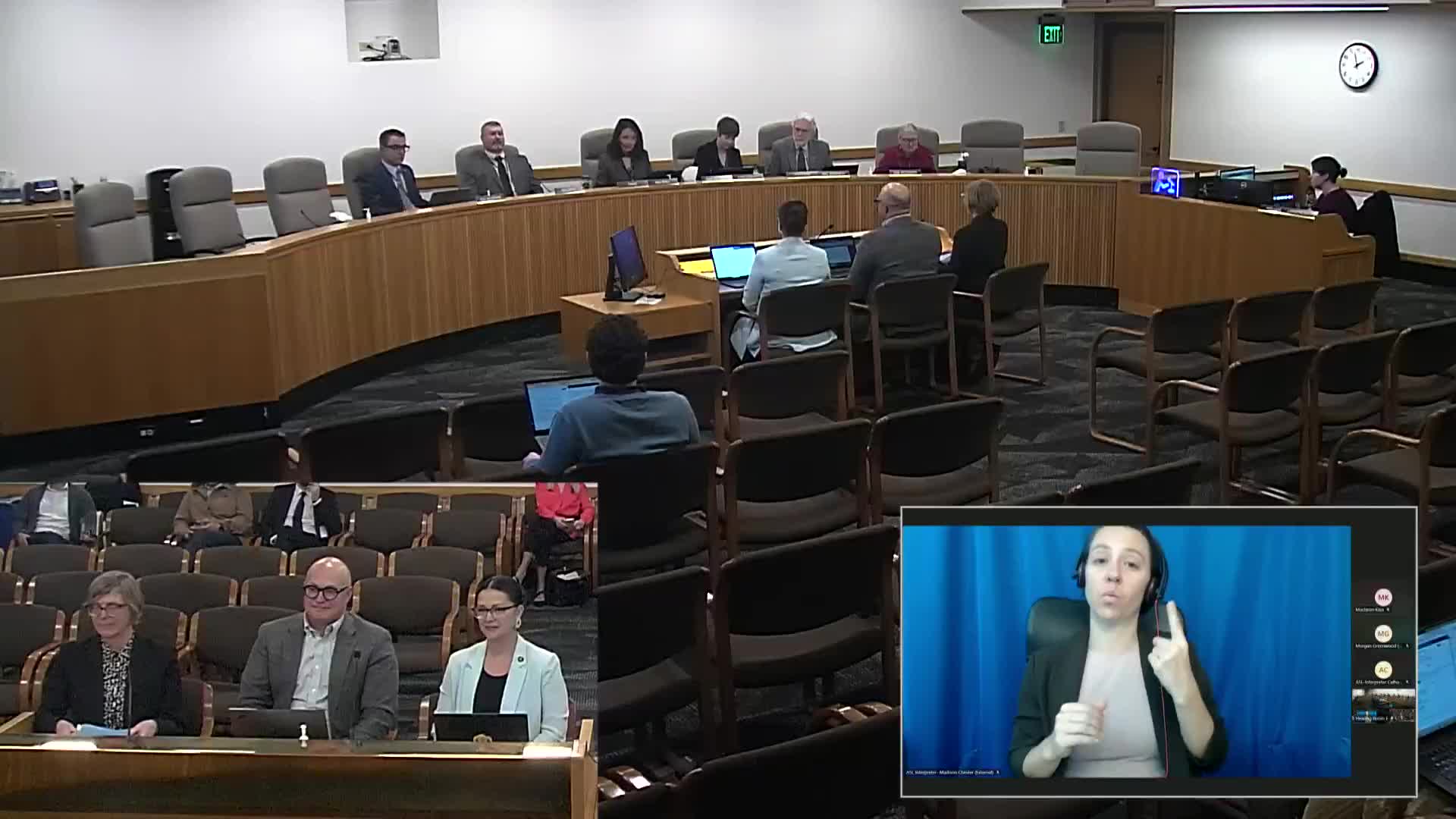
Senate committee reviews HB 3521 to strengthen consumer protections on hold deposits
Summary
The Senate Committee on Housing and Development heard testimony May 12 on House Bill 3521, which would expand applicants’ ability to walk away from a rental with a full refund of a hold deposit when substantial habitability defects are discovered.
The Senate Committee on Housing and Development heard testimony May 12 on House Bill 3521, the “Hold Deposit Accountability Act,” which would tighten rules around so‑called hold or execution deposits that prospective tenants pay to take a unit off the market before signing a lease.
Representative Vanessa Hartman, the bill sponsor, said HB 3521 responds to stories of applicants who paid a hold deposit remotely — often from out of state or while traveling — only to arrive and find material habitability defects, such as mold or unsafe wiring. Under current law (ORS 90.297), the deadline for returning a hold deposit is short and the available penalty for a late return is small; Hartman proposed extending the return window to five business days and increasing the penalty to an amount equal to the deposit if the landlord both fails to execute the agreement and fails to return the deposit within the deadline.
Supporters included the Oregon Housing Alliance and the Oregon Law Center, who argued the measure clarifies rights for applicants and deters coercive practices that pressure vulnerable people to accept unsafe units. Rebecca Marchele of the Oregon Housing Alliance said the changes “ensure clear standards for hold deposit agreements, ensuring tenants and landlords understand their rights and responsibilities and discourages coercive practices by penalizing bad actors.”
Opponents voiced concern about unintended market effects. Jonathan Clay of Multifamily Northwest said execution deposits are a common courtesy that let approved applicants delay move‑in dates and warned the bill could prompt housing providers to insist on signed leases up front rather than offering holds. Clay said current turnover practices and habitability standards (ORS 90.32) are industry norms and that disputes over habitability determinations would be difficult to arbitrate routinely.
Committee discussion: Senators asked whether landlords could still require signed leases to lock in tenancy (they can) and whether the bill would chill use of hold deposits; witnesses said a move toward executing leases is possible but not inevitable. Representative Hartman and supporting witnesses said the bill does not change what qualifies as a habitable unit under ORS 90.32, but gives applicants an explicit ability to walk away and receive their deposit if they discover material habitability defects before signing.
Ending: The committee closed the hearing and said they would consider amendments and stakeholder input; no committee vote was taken at this session.