Get Full Government Meeting Transcripts, Videos, & Alerts Forever!
Get email alerts on the Manufactured Home Rent Caps topic
No spam. Unsubscribe anytime.
Senate hearing hears competing testimony on HB 3054 rent caps for manufactured‑home parks
Summary
Lawmakers heard hours of public testimony on HB 3054, a proposal to cap annual space‑rent increases in manufactured‑home parks and marinas. Park owners warned caps would force closures and inhibit maintenance; tenant advocates and housing groups said caps are needed to protect homeowners on fixed incomes.
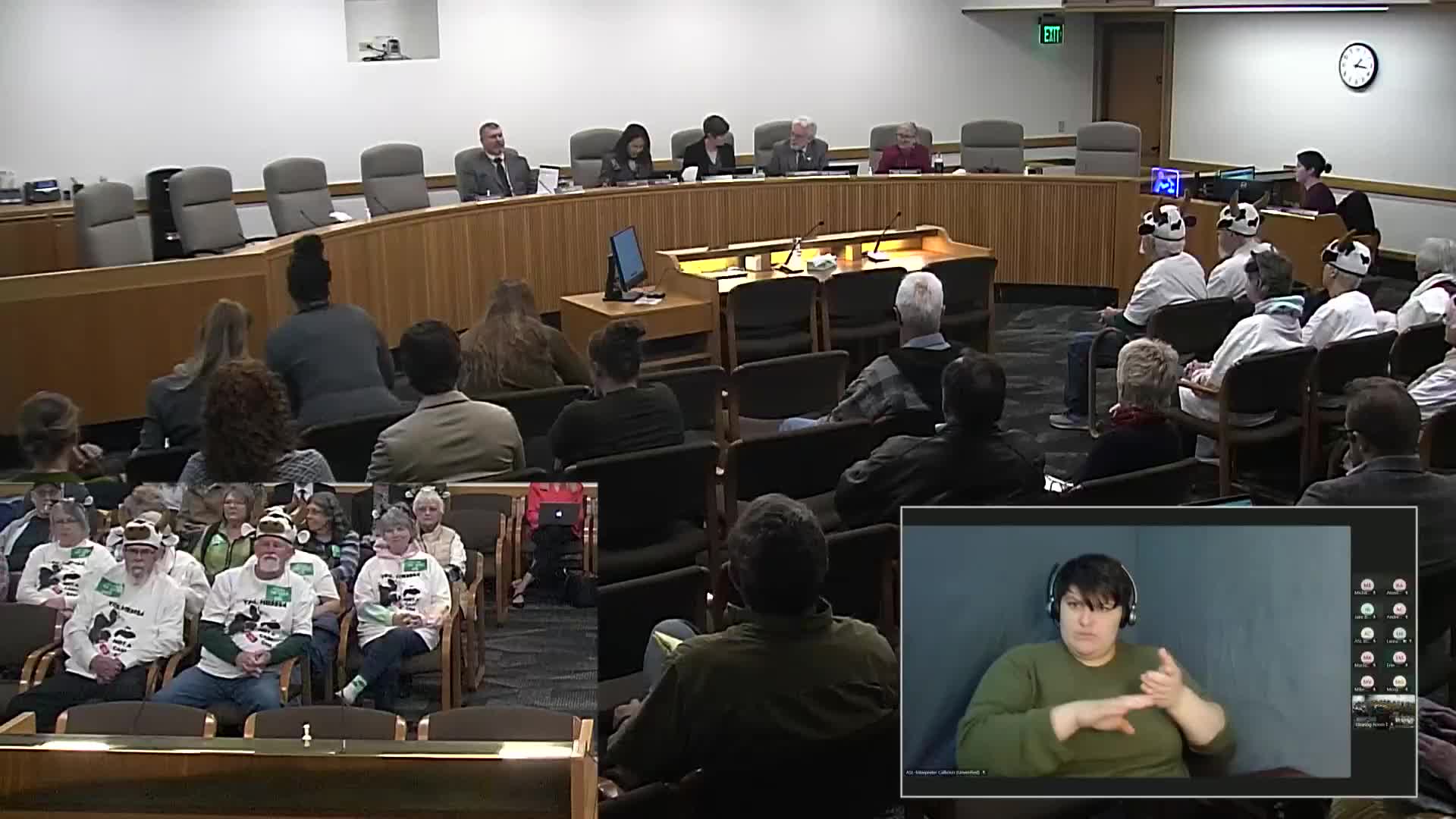
The Senate Committee on Housing and Development reopened a public hearing May 12 on House Bill 3054, which would limit annual space‑rent increases in manufactured‑home parks and marinas and restrict certain owner actions tied to sales and improvements.
Supporters said the bill would preserve stability for manufactured homeowners — many of whom own their home but rent the land — and prevent displacement of low‑income and older residents. Opponents, including park owners and managers, said sharply rising operating costs make stringent caps unworkable and risk park closures.
Why it matters: Manufactured home parks are one of the few remaining affordable homeownership options for many Oregonians. Testimony showed deep disagreement over whether caps would protect existing homeowners or undermine park viability and maintenance.
Affiliated nonprofit and tenancy advocates urged senators to pass the bill. Alexis Ames of Community Alliance of Tenants said manufactured parks “are one of the last affordable housing options left” and urged a 5% cap modeled on Washington’s law. Sybil Hebb of the Oregon Law Center testified the bill responds to the distinct legal and economic status of park residents, who typically bear responsibility for interior maintenance and property taxes and face greater risk of losing their homes if priced out.
Park owners warned of sharp cost increases. Deborah (last name on record) — a long‑time small park operator who identified rising bills for electricity, property taxes and insurance — said Pacific Gas & Electric rates rose 22% in 15 months and that insurance went up by 14% from 2022 to 2023 and by larger amounts this year. She told senators a 10% cap previously enacted in 2023 had been described as “reasonable and balanced,” and said repeated changes across sessions undermine owner trust and could prompt rent hikes to the maximum allowable level.
Peter Hainley, executive director of CASA of Oregon, described resident‑owned cooperative conversions and said rents in co‑ops stabilized at roughly 12% annual increases during transition and average rents run about $500 per space. Kevin Cronin, director of policy and advocacy at Housing Oregon, said developers he represents are not seeing tenant‑protection rules deter new park development; instead he cited permitting, zoning and financing as primary barriers.
Other testimony: Park managers and owners described typical space rents ranging from $600 to $900 and warned that strict percentage caps could leave smaller parks economically infeasible over several years. Residents, advocates and Housing Alliance representatives said many park homeowners live on fixed incomes and that rent increases outpace pensions and Social Security, threatening displacement.
Discussion vs. decision: Committee members expressed sympathy for both tenants and park owners. Senators Patterson and Nash said the testimony on both sides rang true; Senator Broadman said she opposed rent control generally but acknowledged the legal differences that make manufactured‑home tenancies distinct. The committee closed the public hearing and scheduled further discussion for the work session; no committee vote was taken on the bill during this meeting.
Ending: The hearing closed after extensive testimony. Committee members said they would deliberate further in an upcoming work session and review submitted written testimony and supporting data.